
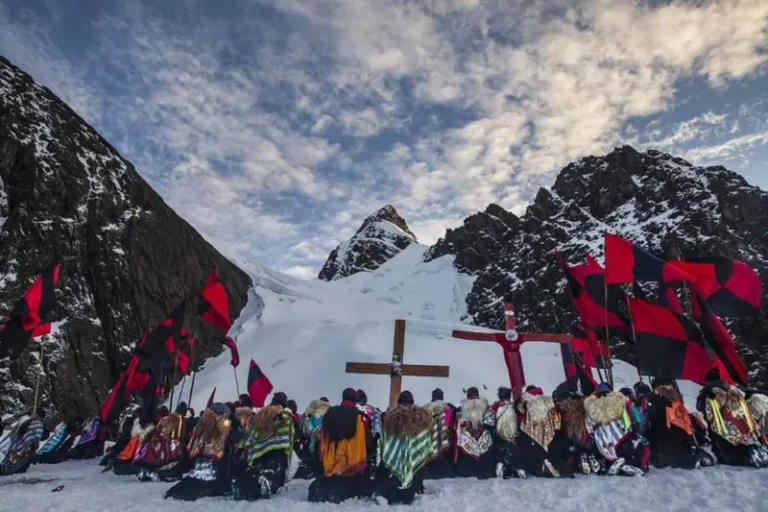
Qoyllur Rit’i doesn’t get much mainstream attention outside Peru and that’s probably why it stays authentic. A glacial valley in the high Andes, freezing at night, thin air throughout, no hotels nearby, no infrastructure built with tourists in mind. Tens of thousands of people climb up there anyway. Every year, without fail. UNESCO flagged it as Intangible Cultural Heritage at some point but that label doesn’t prepare anyone for what actually happens on the mountain.
People who want to understand the Andes beyond Machu Picchu and the Sacred Valley circuit should pay attention to this one. It’s physically demanding and logistically uncomfortable and completely worth it for those reasons partly.
Unveiling the Snow Star Festival
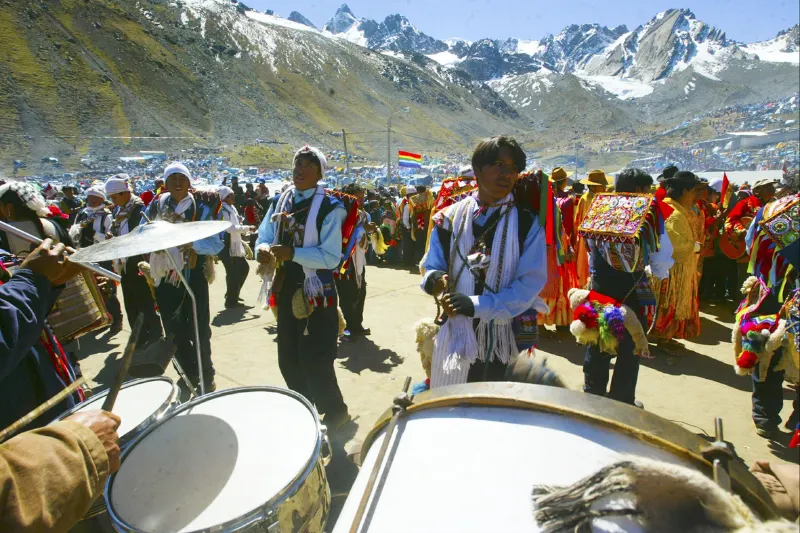
Snow Star is the English translation most travelers encounter first. The festival centers on Ausangate, a peak that indigenous communities have treated as both a water source and a spiritual presence for longer than written records cover. Timing connects to the reappearance of the Pleiades in the Southern Hemisphere sky, which historically marked the harvest season opening. Communities gathered at that moment to acknowledge what Apu Ausangate provided and to ask for continued fertility from the earth.
That agricultural foundation is genuinely old. The Catholic layer came much later and got added on top without replacing what was already there.
A Fascinating Blend of Beliefs
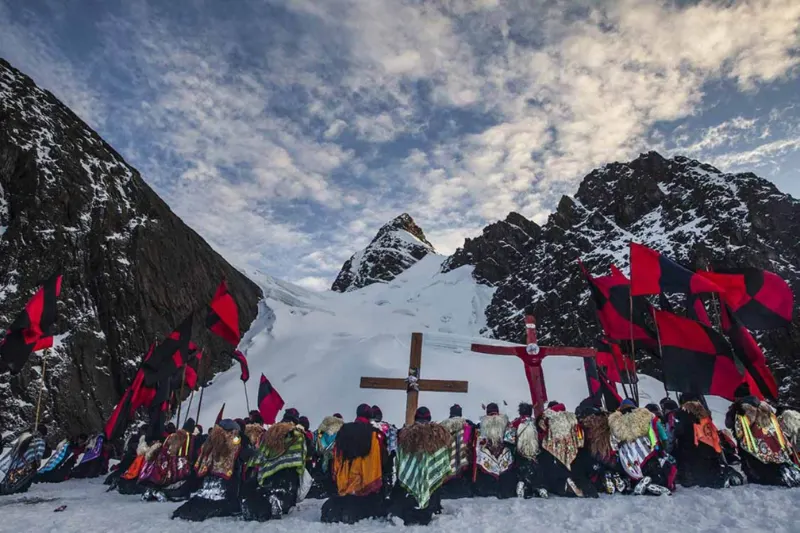
Late 18th century, the Catholic Church made moves to absorb indigenous mountain reverence into Christian narrative. What resulted is the Taytacha sanctuary, built around a boulder where Christ reportedly appeared to a local shepherd boy. Inside the church candles burn and people pray to the Christian God. Immediately outside the same entrance coca leaves get placed for Pachamama. Same location, same moment, two separate spiritual traditions running in parallel without friction.
Corpus Christi in Cusco happens around the same time of year and shares almost nothing with this. Colonial Catholic processions through city streets, patron saints on elaborate floats, ceremony built for urban audiences. Qoyllur Rit’i is above 15,000 feet, indigenous at its core, cold, dark at night, and nowhere near a city. Same calendar, completely different universe.
The Journey: Pilgrimage Routes and Traditions
Sinakara Valley is the main approach. Late May into early June, timed around Corpus Christi. Eight kilometers of steep mountain trail at altitude where pace matters more than strength. Wooden flutes and drums echo off the valley walls the whole way up, audible long before the sanctuary comes into view.
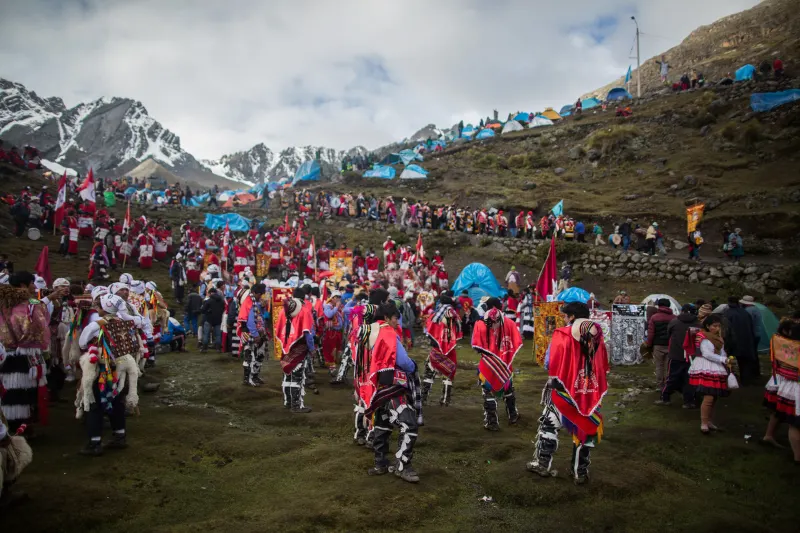
Eight indigenous groups called Nations make the journey, each with distinct ceremonial traditions. The Nations of Paucartambo bring acrobatic dancing and masks that carry local history and myth built into every detail of the design and movement. Worth watching closely rather than just photographing.
Pilgrims carry blankets and tents and food for cold nights. They also carry alasitas, miniature versions of things they want in the coming year. Tiny houses, small cars, miniature diplomas, fake cash. These go to the Taytacha with the belief that faith closes the gap between wanting something and actually receiving it. Not symbolic, genuinely meant.
Keepers of the Glacier: The Ukukus
Shaggy dark wool, masks, woven whips. The Ukukus stand out immediately in any crowd. Andean tradition holds them as offspring of a mythical bear and a human woman, and their function at the festival is double-sided. They keep order among enormous crowds while simultaneously serving as mediators between people and mountain spirits. Both roles treated with equal seriousness.
Historically they climbed to the highest glacial peaks in the middle of the night to cut sacred ice. That ice came back down the mountain as healing water distributed to sick people who couldn’t make the climb. The practice stopped. Not because of any regulation or outside pressure but because the Ukukus themselves watched the glacier shrink and decided continuing would cause damage they weren’t willing to be responsible for. A centuries-old sacred tradition changed voluntarily to protect the environment. That detail tends to stay with people after the rest of the festival description fades.
Practical Tips for Travelers
Sanctuary sits at 4,600 meters. Nights drop below freezing consistently. Neither of those facts is overstated.
- Acclimatize properly: Four to five days in Cusco or the Sacred Valley before attempting the climb. Skipping this step causes real problems regardless of physical fitness.
- Pack for extremes: Thermal base layers, sub-zero rated sleeping bag, waterproof boots, heavy down jacket. These are requirements not suggestions.
- Respect the culture: Religious pilgrimage first, travel experience second. Asking permission before photographing people closely is basic decency and people notice when it doesn’t happen.
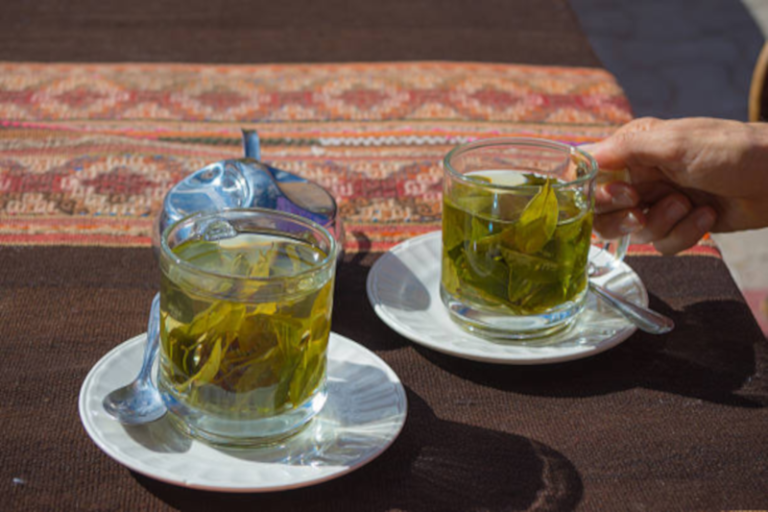
High altitude dry air dehydrates faster than most people track. Coca leaf tea throughout the day and chewing coca leaves the way locals do manage fatigue better than most pharmaceutical alternatives. Meals before the trek should be light and carbohydrate-focused. The ascent pace should be slow because elevation affects everyone at 4,600 meters, fitness level doesn’t change that math.
Conclusion
Christian devotion and pre-Catholic earth-based belief share the same physical space at Qoyllur Rit’i without either one winning. Extreme terrain, freezing nights, crowds organized by centuries-old indigenous tradition, coca leaves outside a Catholic church door. The Ukukus stopped cutting glacier ice because they decided the mountain needed protecting more than the ritual needed preserving. Thousands of people carry tiny houses up a frozen valley every year because they believe it matters. That combination of things doesn’t exist anywhere else. Travelers who make the climb tend to remember specific details from it years after the trip ends, which is not something that happens with most destinations.