
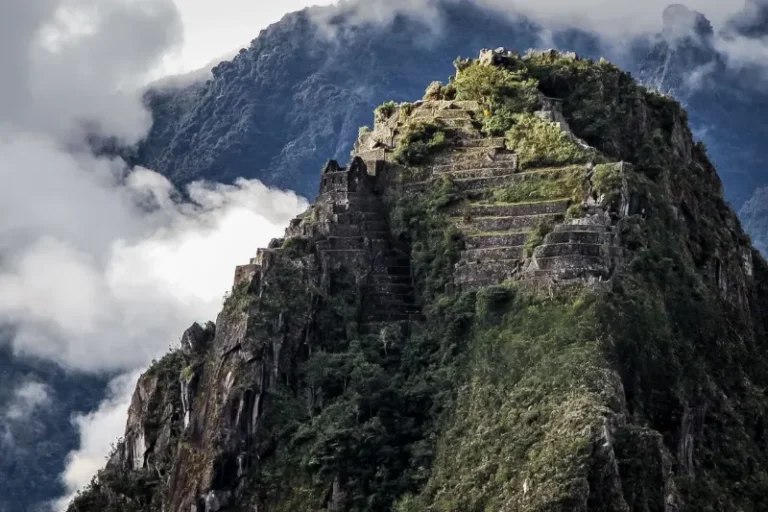
That peak hiding behind the citadel in every Machu Picchu shot is Huayna Picchu. Most people clock it immediately and wonder the same thing. Can you get up there. Yes, and the ones who do say it completely changed how the trip landed.
Getting there needs sorted permits, honest self-assessment, and real comfort with ancient stone where the drops on both sides aren’t decoration.
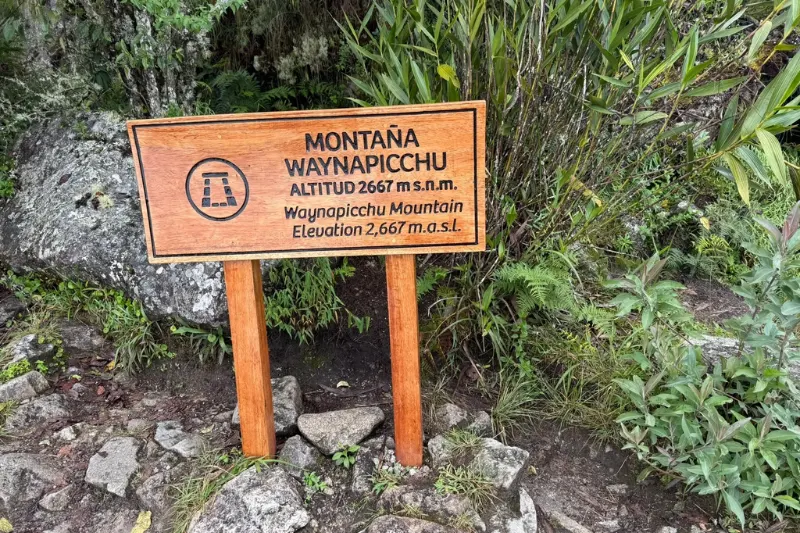
The Allure of Huayna Picchu Mountain
Young Peak in Quechua, and the Incas deliberately placed lookouts here to watch the city below. That role shifts what the ascent feels like from step one. The summit produces a perspective of the citadel against Andean peaks that nothing inside the main ruins comes close to. Visitors show up for photographs and leave talking about the physical experience of being up there.
Planning Your Adventure: Tickets and Permits
Four hundred people split across daily time windows, and during dry season from May through October those windows vanish months ahead. Checking Wayna Picchu permit availability before any other planning happens isn’t overcautious, it’s the only way the climb actually occurs.
Unofficial sources online cause gate failures on the actual day consistently. Knowing how to book tickets for Wayna Picchu means the official Peruvian Ministry of Culture portal or a verified operator, nothing else at all. The mountain permit connects to Circuit 4, moving through the lower sections of Machu Picchu.
Passport and ticket both get verified at the trailhead booth before anything starts. Circuit 4 entrance requirements apply without flexibility or exceptions for anyone.
Conquering the Trail: What to Expect
Average fitness, 45 minutes to an hour going up, similar coming back down. The huayna picchu hike moves across original Inca stonework that survived centuries without replacement, producing footing that stays genuinely unpredictable in ways modern trails simply never do.
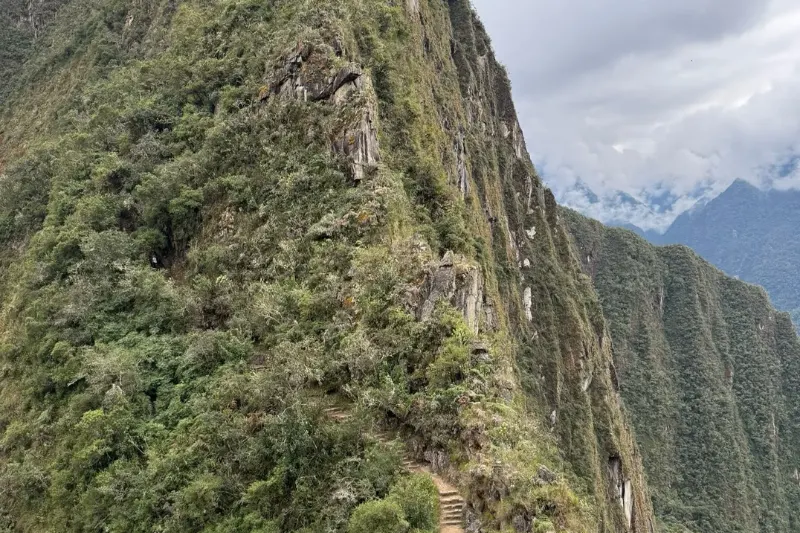
The Stairs of Death steep climb near the summit has a name that oversells the danger while accurately describing what the section physically feels like. Hands and feet both engage at once, steel cables bolted into rock provide grip, and the exposure on both sides stays fully visible throughout. That section answers fairly quickly whether someone belongs on this trail.
Is climbing Huayna Picchu dangerous? Well-maintained, heavily monitored, safe for most people with proper footwear who stay on the marked path. The 12 year minimum age reflects genuine terrain demands rather than an arbitrary rule.
Hidden Gems at the Summit and Beyond
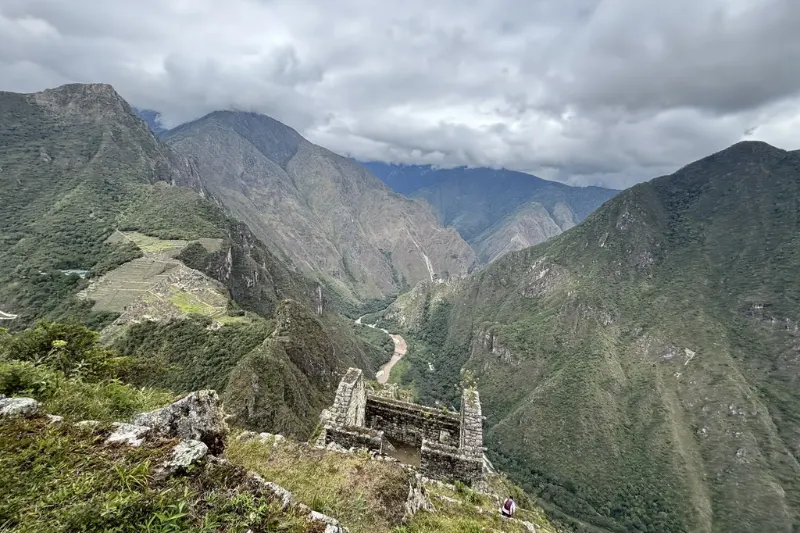
The summit view repays every difficult step taken to get there. The Vilcanota River sweeps around surrounding peaks in a wide arc, completely visible from the ancient terraces, and the citadel far below looks deliberately positioned to be seen from exactly this height.
The Temple of the Moon Great Cavern on the descent deserves a deliberate detour. A secondary loop reaches an archaeological site set inside a natural cave with stonework ranking among the finest craftsmanship anywhere in the region. Almost nobody goes there, which produces genuine discovery rather than managed circuit tourism.
Which Peak is Right for You? Mountain Comparisons
Not every visitor suits this climb and knowing the alternatives before committing prevents a costly mistake on the day.
Wayna Picchu vs Machu Picchu Mountain comparison: Machu Picchu Mountain occupies the opposite end of the citadel, stands taller, runs a wider trail, roughly three hours round trip. Better for anyone avoiding serious vertical exposure, but it gives up the archaeological features and raw character that specifically define Huayna Picchu.
Huchuy Picchu vs Wayna Picchu difficulty: Huchuy Picchu sits directly beside the Huayna Picchu control gate and reaches modest elevation in around 15 minutes. A practical option when larger peak permits are gone or when a demanding climb simply doesn’t fit the day.
Essential Tips for a Safe and Enjoyable Climb
Things that consistently produce good days rather than rough ones:
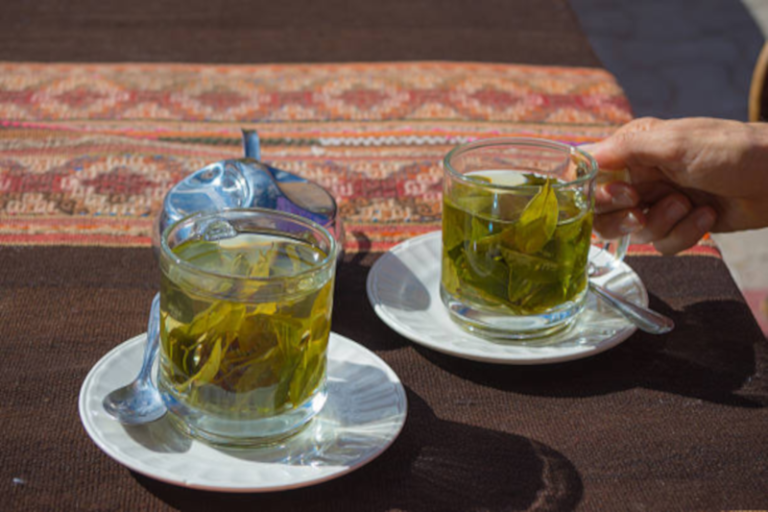
- Acclimate Properly: Altitude sickness prevention for hikers begins days before the climb rather than the morning of it. Two days minimum in Cusco or the Sacred Valley, consistent hydration, minimal alcohol, coca tea wherever it shows up.
- Choose the Right Time: Early slots at 7:00 AM bring fog that keeps temperatures down but blocks views. Later slots at 9:00 AM or 10:00 AM deliver clearer skies and better light. The best time of day for hiking here depends entirely on what matters more.
- Pack Light: Large backpacks aren’t permitted. Water, sunscreen, insect repellent, camera, small daypack covers everything needed up there.
- Respect the Trail: Rain turns ancient stone steps genuinely hazardous. Yield to ascending hikers and never rush the descent regardless of schedule pressure.
Early permits, honest preparation, genuine respect for the ancient pathways. Those three things determine whether the Young Peak delivers what it promises. For people who show up ready, it does every single time.