
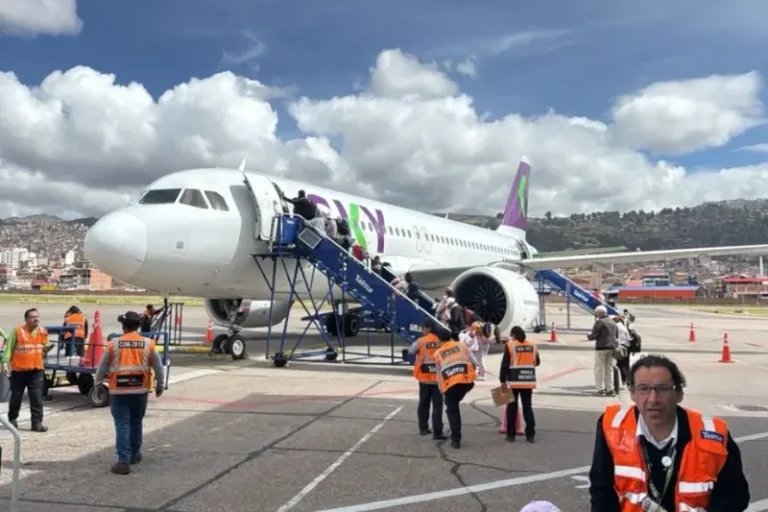
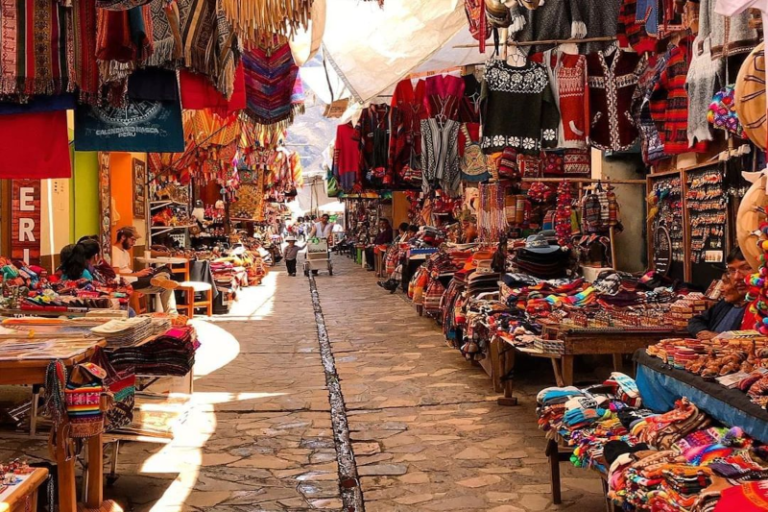


Reaching Cusco takes more planning than most trips. The city is deep in the Andes, high elevation, and that alone creates a whole set of complications that don’t show up when booking other destinations. International flights land in Lima first for almost everyone, and then there’s a domestic connection to sort out on top of that. A lot of people put all their energy into the international leg and barely think about the second flight. That’s usually where things go wrong.
Baggage rules, weather, timing of departures, these factors carry real weight on this route. Getting familiar with them before purchasing anything saves a lot of trouble at the airport.
Planning Your Route: Lima and Beyond
Navigating Connections and Layovers
Lima’s Jorge Chávez airport is the transfer point for nearly every international traveler heading to Cusco. The process after landing takes longer than people plan for, consistently. There’s immigration, then bags to collect, then customs, then re-checking everything for the domestic terminal. Each step moves at its own pace and none of them are fast.
Three hours between the international arrival and the Cusco departure is the safe number. Some people book two and a half and pull it off, but an unusually slow immigration line turns that margin into nothing. Missing the connection to Cusco usually means waiting until the next morning for the next available flight.
Direct Flight Alternatives
Direct international flights into Cusco exist from a few South American cities, mainly Bogotá, Santiago, and La Paz. These routes aren’t always running year-round, availability depends on the carrier and the season. Anyone whose trip already routes through one of those cities should check whether a direct option is available. Cutting out the Lima layover entirely saves a significant amount of time.
Choosing Your Airline and Flight Time
Comparing Domestic Carriers
LATAM, Sky Airline, and JetSmart cover most of the Lima-Cusco traffic. They’re not interchangeable.
- LATAM: Flies the route more frequently than anyone else. When disruptions happen, and they do happen on this route, LATAM has more resources and staff to handle rebooking and manage delays. That reliability matters here more than on most domestic routes.
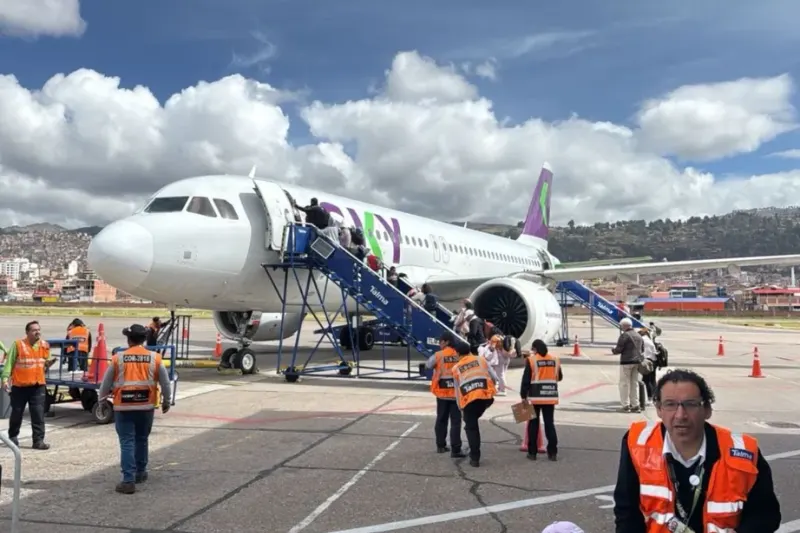
- Sky Airline (and JetSmart): Ticket prices are lower, which draws a lot of first-timers. Baggage enforcement at the gate is strict though, stricter than most budget carriers elsewhere. Fees for bags that don’t meet the requirements pile up fast and regularly erase the savings from the cheaper fare.
The Importance of Timing
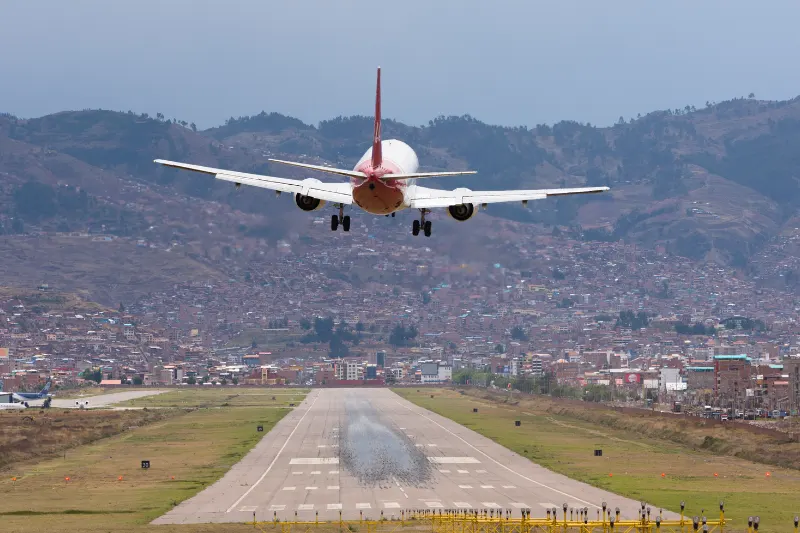
The Cusco valley gets difficult in the afternoons. Thermal winds build through the day and cloud cover thickens until approaches become genuinely problematic. Most cancellations and diversions on this route happen after midday. Early morning departures don’t guarantee a perfect flight but the odds are considerably better. Travelers who fly this route regularly treat the earliest available departure as the only real option.
Left side window seats from Lima face the Andean peaks during the approach into Cusco. On a clear morning the visibility is something worth planning for. Requesting that seat at booking costs nothing.
Ticket Flexibility
Mountain weather shifts fast and doesn’t give much warning. A rigid non-refundable ticket becomes a problem quickly when a flight gets cancelled or rerouted. Paying a bit more for a changeable fare removes a layer of stress that’s otherwise hard to avoid on Andean routes.
Handling Logistics and Unexpected Changes
Weather Delays and Diversions
Dry season, May through October, is when Cusco flights behave most predictably. Skies are clearer, delays are less frequent, and schedules hold up better overall. Rainy season runs December through March and the situation reverses. Disruptions are more common and harder to anticipate during those months.
Getting to the airline service desk immediately when a delay is announced makes a difference. Seats on the next available flight disappear quickly. Mid-approach diversions to Lima or Arequipa happen when visibility drops without warning during final approach. Airlines generally wait for a weather window to reopen or arrange hotel accommodation if the situation stretches into the following day. There isn’t much else to do except follow the crew’s instructions and wait.
Flying vs. Overland Travel
Bus travel from Lima to Cusco runs about 22 hours. Ticket prices are lower than flights, no question about that. For someone on a truly open schedule with budget constraints, it’s a workable option. For anyone counting vacation days, 22 hours versus 90 minutes in the air is not a difficult call.
The Arrival Experience
Check-in and Airport Facilities
Online check-in the day before saves time at the airport. Arriving two hours before a domestic departure is generally enough, though mornings during peak travel periods push security lines longer than usual. Overall the domestic check-in process in Peru isn’t complicated.
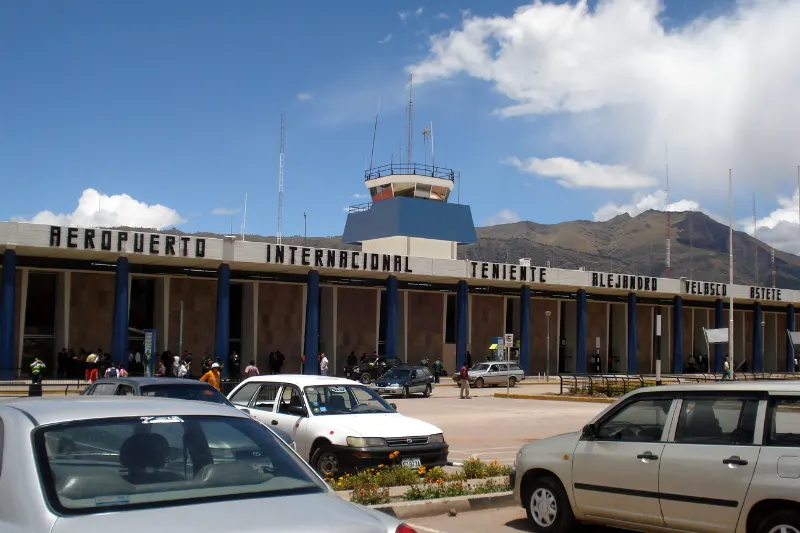
Alejandro Velasco Astete is a small airport. Taxi kiosks near baggage claim handle official transport into Cusco. Drivers without kiosks who approach passengers inside the terminal aren’t part of the official system and are better avoided. Past baggage claim there are ATMs, small food stalls, and a tourist information desk.
Managing the Altitude
Landing at 11,152 feet affects nearly everyone. Altitude sickness doesn’t care about fitness level or prior travel experience, it shows up unpredictably and symptoms can start within the first hour after landing. The first day after arrival sets the tone for how the body handles the days that follow.
- Take it easy: Avoid strenuous activity on your first day.
- Hydrate: Consistent water intake helps considerably, and coca tea is a locally used remedy specifically for altitude adjustment.
- Eat light: Digestion slows at elevation and heavy meals or alcohol in the first 24 hours make the adjustment harder.
- Medication: A doctor can advise before the trip on preventative options like Acetazolamide.
Your Gateway to the Incas
Cusco opens up everything else on the itinerary. The Sacred Valley sits right outside the city, Ollantaytambo is close by, and from there the train runs to Aguas Calientes and connects to Machu Picchu. Booking early, choosing the right carrier, and keeping the ticket flexible are the decisions that protect the start of the trip. When the rest of the schedule is already locked in, a difficult travel day at the beginning is hard to recover from.