
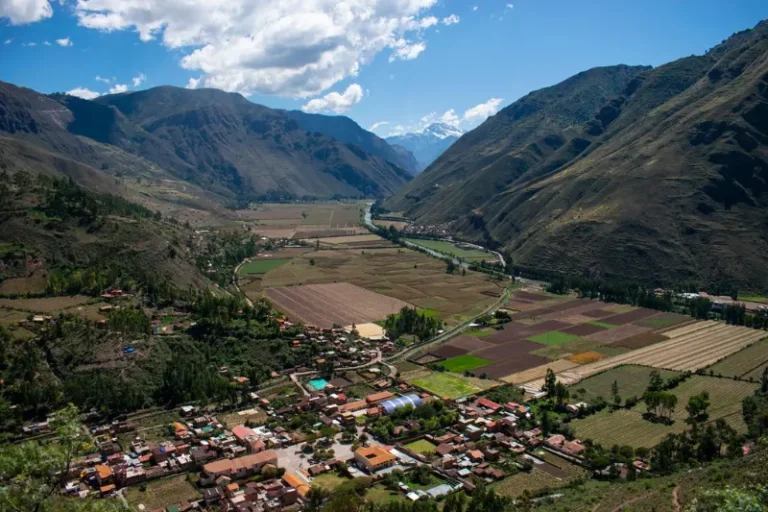
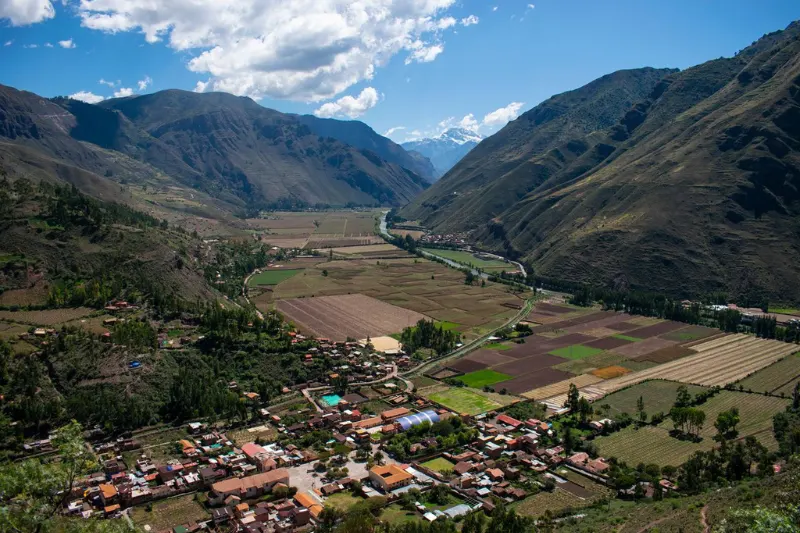
Most travelers keep the van windows closed through here. The valley rolls past and they’re already thinking about Machu Picchu. That habit consistently produces the most common regret people carry home from Peru. The traditional villages in The Sacred Valley aren’t scenic interruptions between famous sites, they’re where Andean life actually happens without anyone performing it for an audience.
Women weave here using techniques that predate the Spanish. Farmers use irrigation channels their ancestors cut into the hillside. Nobody reconstructed any of this for tourism.
Planning Your Journey: Logistics and Health
Getting There and Getting Around
Three ways exist to get into the valley from Cusco and each one produces a genuinely different kind of day. Colectivos from Pavitos Street leave when full, cost almost nothing, and stop wherever the route goes through. Private drivers cost more but pull over whenever something catches attention without any negotiation required.
Organized tours handle everything and quietly miss almost everything worth finding. Fixed itineraries and a valley that rewards wandering don’t work well together.
Acclimatizing to the Andes
One decision made before landing makes coping with high altitude in the Peruvian highlands significantly easier: skip Cusco on the first night entirely. The Sacred Valley sits around 9,000 feet, about 2,000 lower than the capital, and that gap shows up immediately in how the body actually feels on day one.
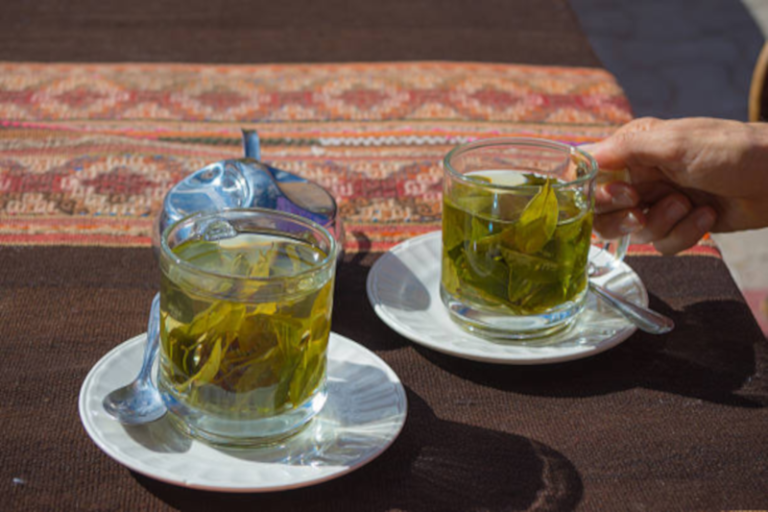
Coca tea and muña are in every hotel lobby and market stall for good reason and genuinely help. More water than feels right, lighter food than usual, and nothing strenuous on the first day handles most of what the elevation throws at people arriving from sea level.
The Heavyweights: Pisac and Ollantaytambo
Finding Peace in Pisac
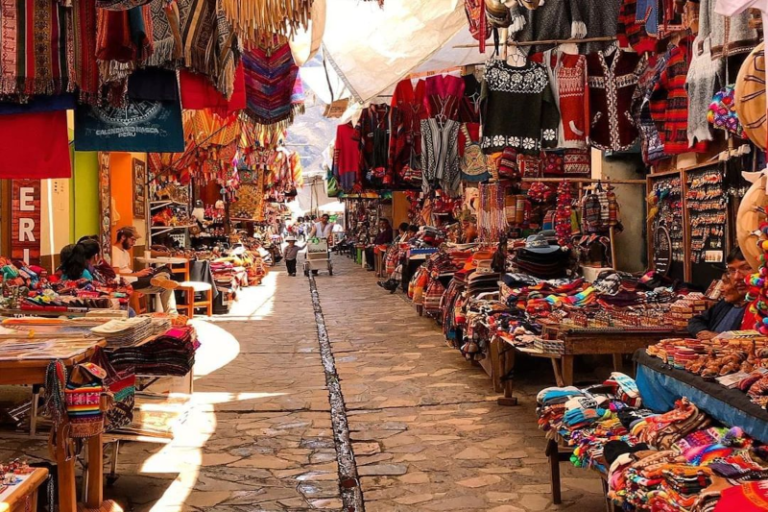
Sunday morning in Pisac is controlled chaos and mostly avoidable with one simple decision. Knowing how to visit Pisac market without the crowds means arriving at 8:00 AM on a Tuesday or Thursday instead. Same stalls, same textiles and ceramics and jewelry, vendors who have actual time to talk rather than process groups moving through.
The ruins up the hill are a completely separate experience from the market below. Curved terraces dropping down the mountainside, cliffside tombs, and views that feel genuinely earned rather than just handed over.
The Living Inca Town of Ollantaytambo
Ollantaytambo isn’t curated or preserved behind a fence. The street grid is original Inca construction that people use daily right now in ways that taking walking tours of colonial streets in the Andes almost never delivers. What’s being walked through here is still in active use rather than maintained for visitors to observe.
The Ollantaytambo vs Pisac ruins comparison settles quickly after seeing both. Pisac sprawls residentially across a mountainside. Ollantaytambo is steep, concentrated, and built from pink granite blocks fitted together at a precision that stops conversations mid-sentence every single time.

Cultural Immersion: Art, Agriculture, and Salt
The Weavers of Chinchero
Chinchero sits higher than everything else in the valley and feels noticeably different from the moment of arrival. Locals claim the rainbow was born here, which might explain why the textile colors seem louder than anything else in the region. The Chinchero weaving demonstrations and textile art workshops cover the full process from raw alpaca wool washed with saqta root and spun by hand to finished fabric dyed with cochineal and purple corn and indigo.
Buying sustainable souvenirs from indigenous artisans directly here funds the cooperatives actually doing the work rather than intermediaries taking most of the money. Whatever gets purchased carries a provenance that airport shops don’t come close to matching.
Maras and Moray
Booking guided tours of Maras salt mines and Moray terraces turns visually impressive sites into something actually understood rather than just photographed and moved past. The salt pools at Maras predate the Inca and have been worked continuously by local families ever since, which is the kind of detail a guide from the valley communicates differently than any sign manages to.
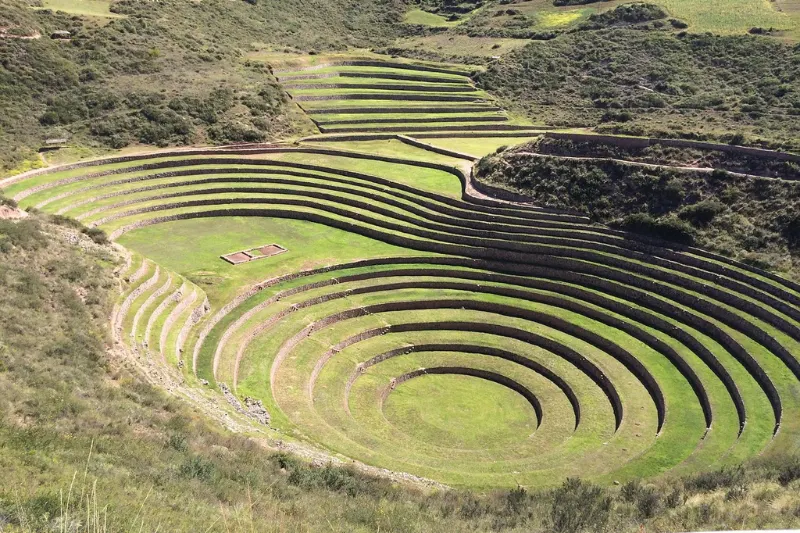
Moray looks like something geometric landed in the earth rather than something built into it deliberately. Concentric circular terraces create temperature variations of up to 15 degrees Fahrenheit between the top and bottom, each ring a separate microclimate for experimenting with high-altitude crops
Stepping Off the Beaten Path
Exploring the hidden gems of Calca and Yucay produces a version of the valley the tourist circuit skips entirely without realizing what it’s missing. Yucay was Inca royal estate territory chosen specifically for fertility and mild climate, fed by what the Incas called Willkamayu, the Sacred River. That name wasn’t decorative, it described exactly what the river did for the civilization organized around it.
The irrigation channels running through the cornfields of Calca and Yucay are the same ones built centuries ago and used today for the exact same purpose. Finding that kind of unbroken continuity anywhere else in the valley requires leaving the main road entirely.
Experiencing the Local Lifestyle
Culinary Adventures
A red plastic bag on a long pole outside a building signals fresh chicha ready inside, and following that signal is consistently the right call wherever it appears. Knowing what to eat in local picanterias means understanding that the food here is specific to this valley rather than adapted for outside expectations or international palates.
Cuy al horno, chicharrón with mint, rocoto relleno, and enormous ears of choclo with thick Andean cheese are what shows up on tables where locals actually eat. That’s the only reliable indicator for where to sit down without overthinking it.
Festivals and Traditions
Traditional Quechua festivals and religious ceremonies don’t appear on international travel calendars, which makes finding one feel genuinely accidental rather than something that got booked in advance. Qoyllur Rit’i in the mountains, Virgen del Carmen in July, masked dances and brass bands producing a version of Catholic and indigenous belief that exists comfortably as both things at once.
When the timing connects with one of these, nothing else on the itinerary competes for what stays in memory long after the trip ends.
Where to Rest
Community homestays and locally run eco-lodges in villages like Willoq or Patacancha above Ollantaytambo are the best places to stay for authentic cultural immersion that isn’t just a marketing concept. Meals cooked in the house, Quechua words picked up over breakfast, the farming day explained by the person actually living it, and Andean peaks out the window rather than a car park.
That context changes how the valley reads during the day because the foundation for understanding it gets built into where the night was spent.
A Practical Day Trip Itinerary
A workable day trip itinerary for self-guided valley exploration that moves without feeling rushed:
- 8:00 AM: Leave Cusco by private taxi for the highlands.
- 9:00 AM: Chinchero for weaving demonstration, colonial church on Inca foundations, textiles.
- 10:30 AM: Maras salt mines, walking the paths between the cascading geometric pools.
- 12:00 PM: Moray terraces, walking the perimeter of the concentric circles.
- 1:30 PM: Urubamba for lunch at a local picanteria off the main tourist road.
- 3:30 PM: Ollantaytambo in late afternoon when crowds clear and the fortress terraces catch the best light available.
- 6:00 PM: Dinner in Ollantaytambo or straight to the train station for the evening departure to Aguas Calientes.

The Final Takeaway
Treating this valley as a road between Cusco and Machu Picchu is the most consistent way to leave Peru feeling like something important got missed entirely. Cobblestone streets, living Inca architecture, weavers and farmers and picanterias with red bags hanging outside their doors. None of it needs specialist knowledge to appreciate or understand.
It needs slowing down enough to actually be present in it rather than passing through on the way to the next famous thing on the list. Give it more than one day and it gives back considerably more than whatever time gets invested in it.