
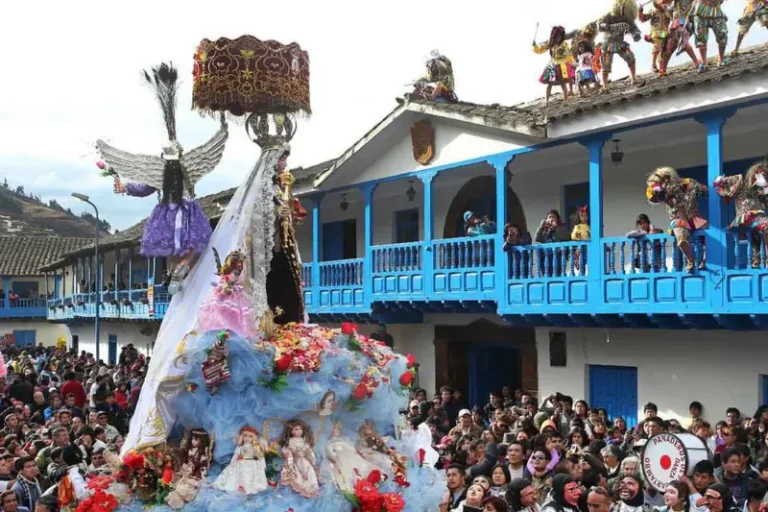
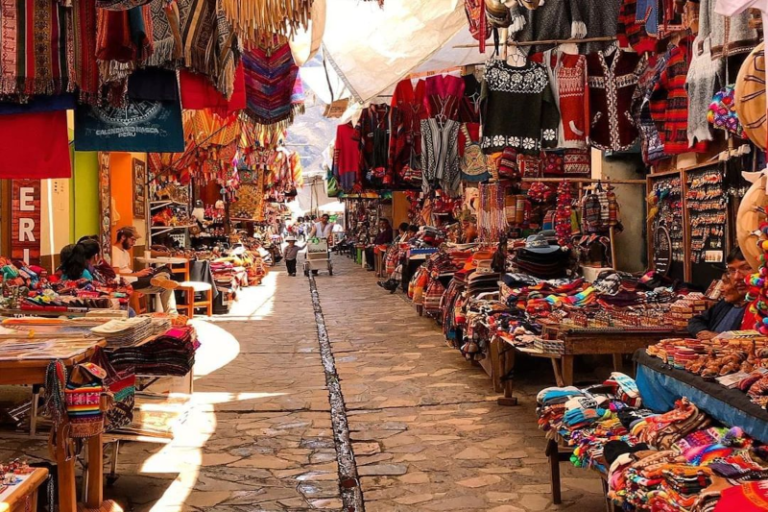
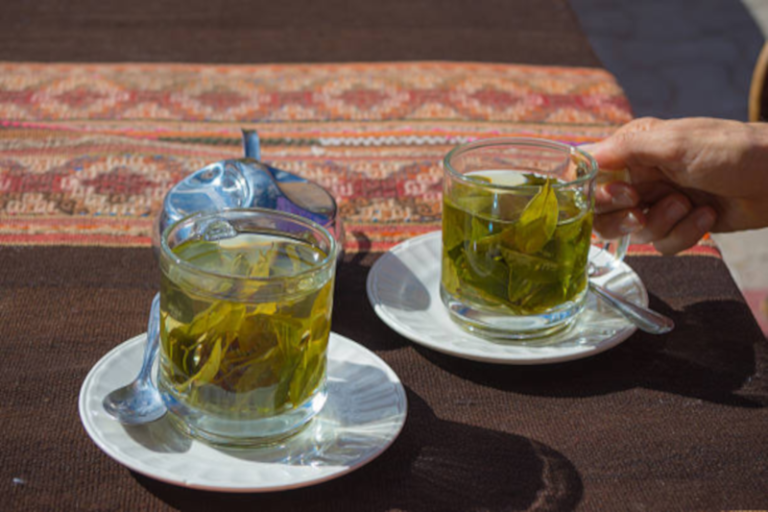
Paucartambo spends most of the year as a quiet colonial town that most travelers pass through without stopping. July is different. Between the 15th and 18th the place gets completely overrun, dance troupes filling streets that weren’t built for that volume of people, fireworks going off at hours that make sleep difficult, and thousands of devotees who made the trip specifically to be there.
Mamacha Carmen, the Virgin of Carmen, pulls all of it together. Anyone who thinks Cusco’s standard tourist circuit captures what Andean culture actually is hasn’t been to Paucartambo during these four days. What follows covers the history, the dances, and the logistics needed to get there and navigate it without things going wrong.
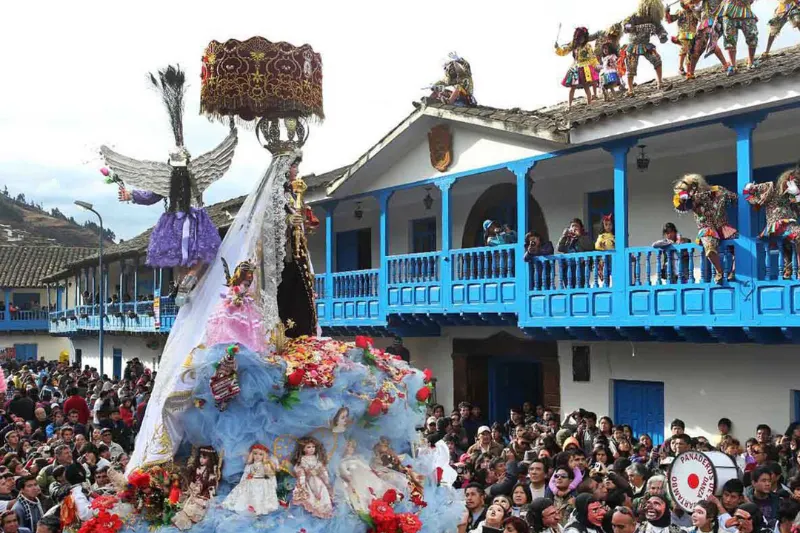
The Legend and Cultural Significance of Mamacha Carmen
How the Virgin’s statue arrived depends on who tells the story. Trading vessel or floating on the river, the accounts differ. What’s consistent is that the local mestizo community, mixed indigenous and Spanish descent, claimed her fast and built deep devotion around her across generations. That foundation shapes everything about what the festival is.
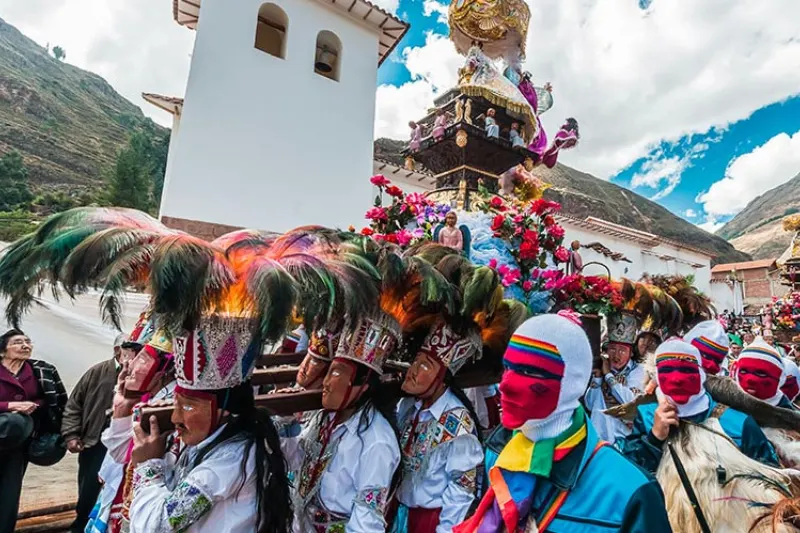
Catholic and indigenous belief don’t take turns in Paucartambo. They run at the same time in the same gesture. Mamacha Carmen is a Catholic figure and a manifestation of Pachamama simultaneously, and locals don’t find that contradictory because for them it genuinely isn’t. Devotees sing for her, dance for her, weep openly in the street for her. Pre-Columbian agricultural rites and Catholic liturgy land in the same act. That particular combination is distinctly Peruvian and doesn’t translate cleanly into outside frameworks.
Experiencing the Magic: Dates and Comparisons
July 15th through 18th every year. Mid-winter in the Andes means cold nights and brutal daytime sun hitting a town packed well beyond its normal capacity. Planning around those conditions matters practically.
Inti Raymi in June gives useful contrast for understanding what Paucartambo is. Inti Raymi is theatrical, large-scale, staged in Cusco for a wide audience including a significant number of international tourists. Mamacha Carmen runs differently. Living religious pilgrimage, community-funded, rooted in the actual present-day faith of people from that place rather than in historical reconstruction. The difference registers within the first hour of arriving. Less performance, more immersion, and the gap between those two things is real.
A Mesmerizing Display: Dances and Rituals
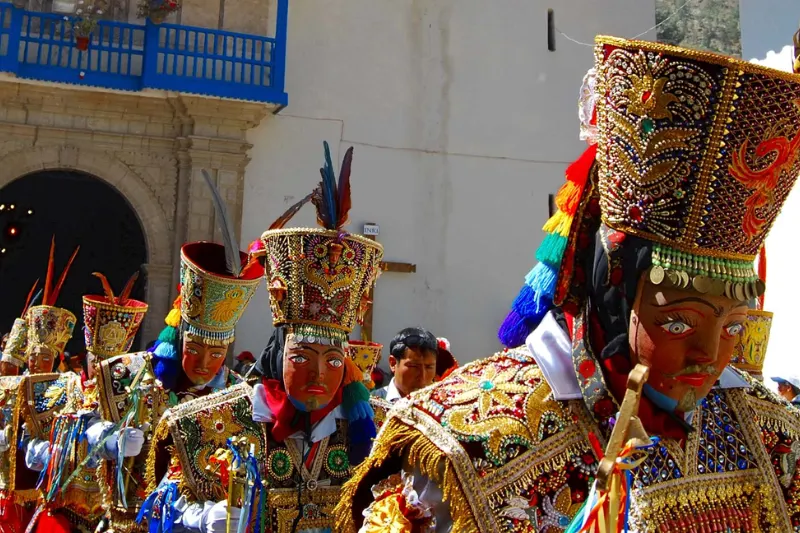
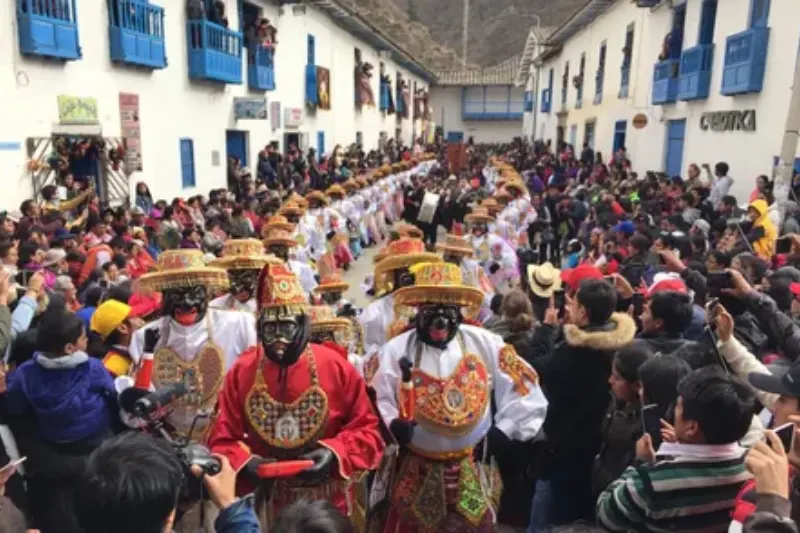
More than a dozen distinct troupes called comparsas move through the cobblestone streets across the four days. Each one carries elaborately embroidered costumes and heavy papier-mâché masks built with specific historical characters. The craftsmanship in both takes months of preparation and shows up close in ways photographs don’t fully capture.
The Qhapaq Qolla and the Qhapaq Negro
Two of the most significant groups carry distinct historical weight in their performances.
- The Qhapaq Qolla: Representing the historic merchants from the southern altiplano who brought llamas, woven goods, and trade to Paucartambo. Their movement is energetic and they pull the crowd in directly rather than keeping distance.
- The Qhapaq Negro: Representing African slaves brought to the region during Spanish colonial rule. Deeply emotional performance built around melancholic songs directed at the Virgin. The contrast with the Qolla’s energy is intentional and hits hard when both groups are in the street at the same time.
The Mischievous Saqras
The Saqras are the ones on the rooftops and hanging from balconies when the main procession passes. Playful demons rather than malevolent ones, dressed in rainbow-colored suits with animal masks. The rule that governs them is specific: they cannot make direct eye contact with the Virgin. Watching them scramble off ledges and hide their faces while trying to stay as close to the procession as possible runs as its own visual thread through the whole day.
The Grand Finale: The Bridge Battle
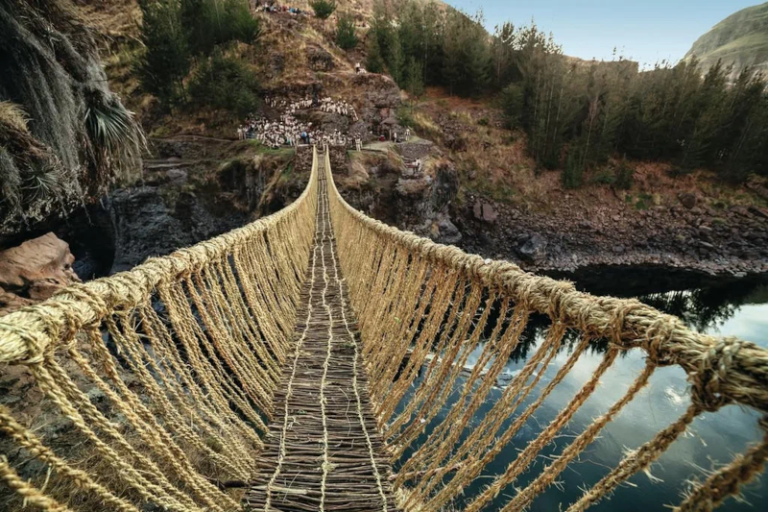
Last day, Paucartambo bridge, the Guerrilla ritual closes everything out. Qhapaq Qolla dancers against the Antis, representing Amazonian indigenous groups, in a mock battle over symbolic possession of the Virgin. Loud, chaotic, firework-heavy. Four days of accumulated energy finding its exit point all at once.
Beyond the Town: The Tres Cruces Sunrise
An hour and a half drive above Paucartambo, a ridge sits directly on the edge of the Amazon basin. July atmospheric conditions at Tres Cruces de Oro produce an optical illusion where the rising sun appears to split into three, all of them coming up simultaneously over jungle canopy stretching into the distance below. Freezing at that elevation before dawn but the visual doesn’t have a real equivalent anywhere nearby. It fits the spiritual register of the festival days in a way that’s hard to explain until it’s actually experienced.
Practical Guide: Logistics and Planning
Paucartambo is small and the festival pushes it well past capacity. Resources stretch thin fast and preparation matters more here than at most destinations.
Getting There: Three to four hours from Cusco on winding mountain roads. Private taxis and colectivos leave from the Collasuyo control point in Cusco regularly. The roads offer good views but traveling during daylight hours is genuinely necessary, not just recommended.
Accommodation: Standard hotels don’t exist in Paucartambo in any real sense. Local families open homes as basic homestays during festival days and some travelers camp in designated areas outside town. Either option needs to be sorted months ahead. Arriving without confirmed accommodation during those four days creates a real problem with no easy solution.
Weather and Packing Tips
Daytime sun at this altitude hits harder than it looks and temperatures fall fast once it sets. The packing list needs to handle both ends without compromise.
- Thermal base layers and a thick winter jacket: Freezing nights and the pre-dawn Tres Cruces trip both require serious warmth, not just a light layer.
- High-SPF sunscreen, sunglasses, and a wide-brimmed hat: Midday Andean sun at altitude causes real damage faster than expected.
- Comfortable walking shoes: Processions run all day across cobblestones for hours without natural stopping points.
- Earplugs: Music, fireworks, and dancing run past midnight and restart before sunrise. Sleep without them is genuinely difficult.
- Plenty of Soles in cash: No functioning ATMs in town, card payments not accepted by street vendors.
Conclusion
Mamacha Carmen wasn’t built for outside visitors and doesn’t operate like it was. The dances carry actual historical weight, the devotion in the crowd is real rather than staged, and four days in Paucartambo adds up to something that lands differently than most experiences available to travelers in the Andes. Saqras scrambling off rooftops, the bridge battle closing everything with fireworks over the river, Tres Cruces before dawn with three suns rising over the jungle. Logistics are inconvenient and the town is not set up for comfort. Worth the trouble anyway.