
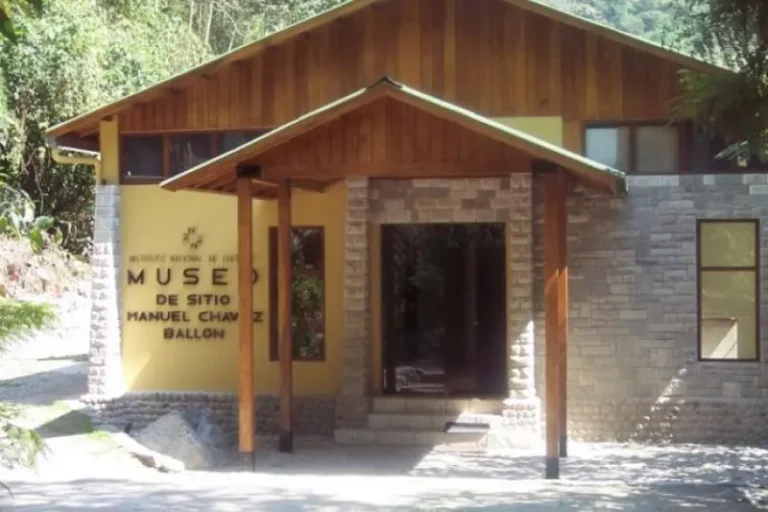
Most visitors walk through Machu Picchu and leave with photographs. The stonework hits hard, the views deliver, and the context stays almost entirely missing. The Machu Picchu Site Museum fills that gap, not as an optional extra but as the layer that makes what’s up on that ridge actually readable.
Near the sanctuary entrance, it converts monumental architecture into something graspable. Human decisions, material constraints, engineering logic applied to an impossible slope. For anyone wanting the ruins to mean something beyond visually striking, this is where that meaning gets built.
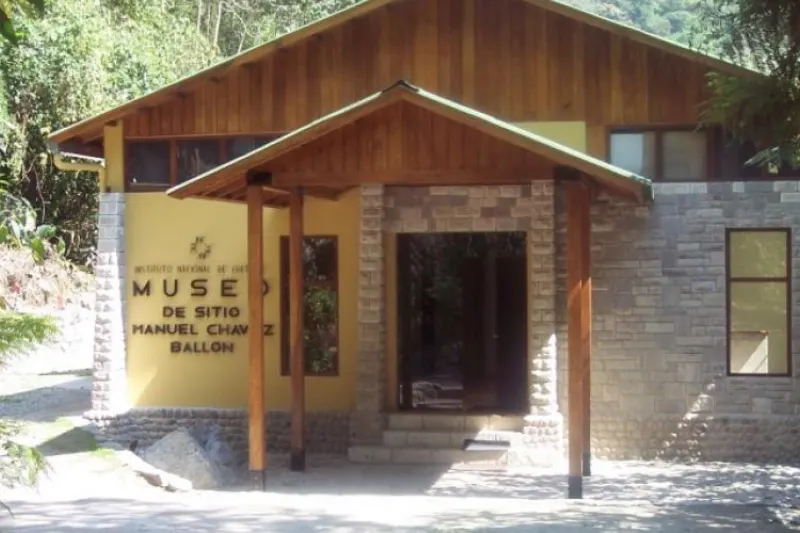
Why the Site Museum Matters: Evidence Beyond the Stones
Stone is one layer of the archaeological record. Treating it as the complete story produces impressive tourism rather than genuine understanding of what was built here and why. Archaeology depends on stratigraphy, recovered objects, construction traces, and comparison across the wider region rather than visual impression alone.
Questions the ruins leave hanging get addressed here. What materials were used and why those specifically. How water management shaped the entire settlement layout. Which activities belonged in domestic spaces versus ceremonial ones. How this location connected to the broader Inca network of roads, sacred geography, and state administration.
Curated objects sitting alongside explanatory frameworks bridge the visual drama of the citadel and the discipline that keeps interpretation honest. That bridge delivers more than most visitors anticipate before walking in.
What You’ll See Inside: Themes, Objects, and Interpretation
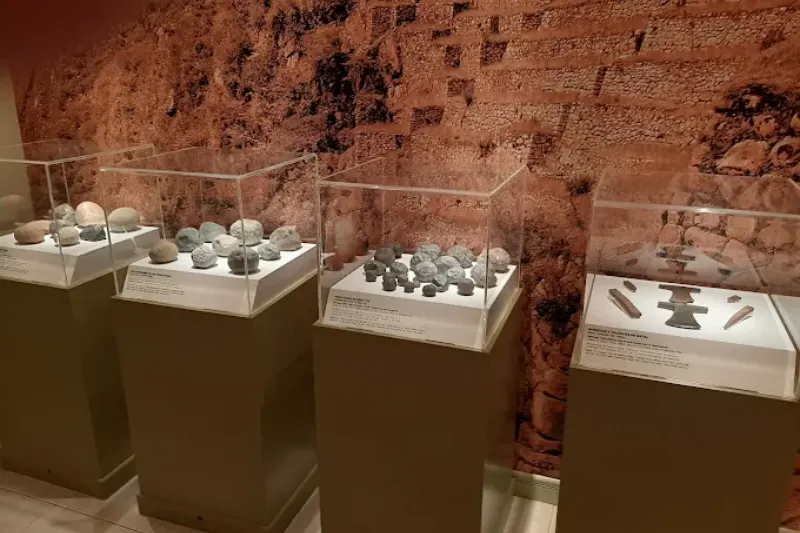
The exhibitions focus on material culture recovered from the sanctuary and the scientific tools used to study it. Several recurring themes organize the experience regardless of how displays shift over time.
Visitors can generally expect content organized around these themes:
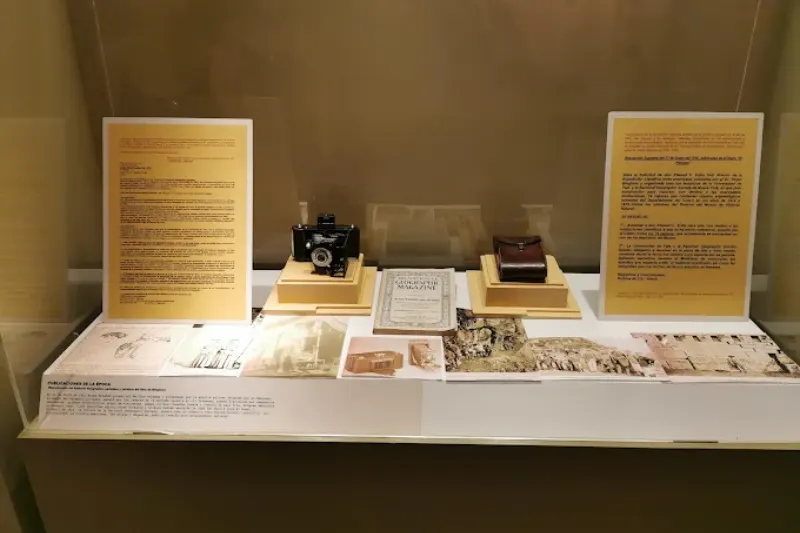
- Archaeological discovery and research history: how the site entered global awareness in the early 20th century and how subsequent scholarship kept refining those initial interpretations.
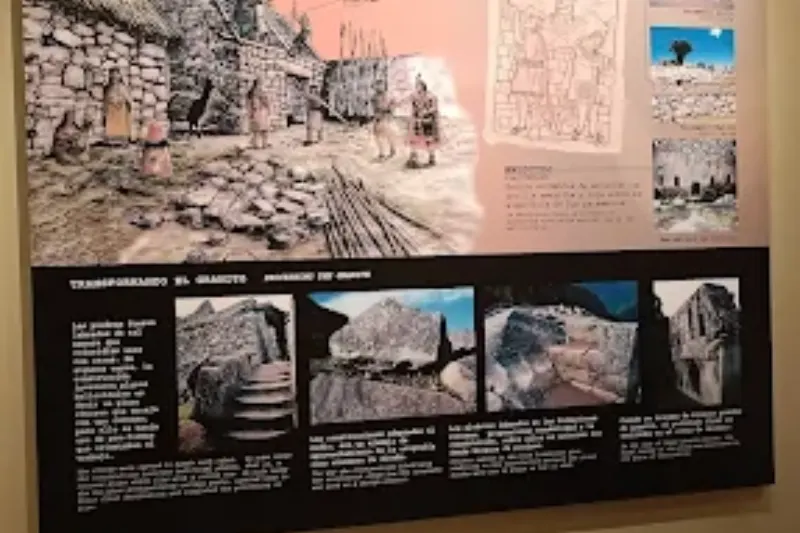
- Construction technology: stoneworking, quarrying, and the engineering logic behind terraces, walls, and foundations on a steep geologically active slope.
- Water and landscape management: fountains, canals, and drainage systems as critical to the site’s survival as any temple facade.
- Everyday life and craft production: ceramics, stone tools, and recovered objects illuminating domestic routines in ways the ruins themselves rarely communicate.
- Sacred geography and ritual life: context for why specific alignments, carved features, and spatial arrangements carried meaning within Andean cosmology.
A single small artifact, an everyday vessel fragment or a tool, recalibrates how the whole site reads. It suggests hands, repetition, repair, and ordinary work running alongside the ceremonial. The museum humanizes Machu Picchu without romanticizing any of it.
The Museum and the Ruins: How to Sequence Your Visit
Two strategies work for integrating the museum into a Machu Picchu itinerary and each suits a different kind of visitor.
Option A: Museum first. Arriving at the ruins already knowing core terms, terracing systems, water channels, architectural typologies, means features get read in place with considerably more precision. This works especially well for anyone planning a shorter circuit who wants maximum interpretive return per hour.
Option B: Museum after. Concrete visual memories from the citadel are already sitting there and the museum converts sensation into understanding rather than building context from scratch. Both sequences work. The difference is whether the first experience gets shaped by context or immediacy.
Location and Access: What “Near the Sanctuary” Means in Practice
The museum sits along the route connecting Aguas Calientes with the archaeological site, walkable from town without needing a citadel entry ticket. That makes it genuinely accessible as an arrival afternoon activity, a rest morning option, or a complement for travelers who have already completed their main circuit.
Logistics here run tightly scheduled around bus times and entry windows. Planning the museum as a distinct time block rather than a quick stop before the bus changes what it delivers. Interpretive panels reward slow reading and lose most of their value when rushed through.
How the Museum Supports Conservation and Cultural Heritage
Visitors who understand why terraces function as engineered slope stabilizers behave differently inside the citadel from those who don’t. The museum translates preservation priorities into reasons that actually make sense: structural vulnerability, material fatigue, the cumulative damage of millions of footsteps on ancient stone surfaces over decades.
Beyond that, the museum makes clear that Machu Picchu is a protected cultural landscape with active ongoing research and management rather than simply a scenic old destination. That framing positions the sanctuary as a shared responsibility rather than something to be consumed and left behind without a second thought.
Practical Tips for a High-Value Visit
A few things that consistently change what the museum actually delivers:
- Give the visit enough time: the explanatory material is dense and benefits from careful attention rather than a scan-and-move approach.
- Pair it with a guided citadel experience: the museum sharpens the questions worth asking and makes the guided narrative more analytical.
- Use it to clarify terminology: understanding terrace functions and water engineering changes how features read when standing in front of them.
- Consider it an alternative activity window: on days when re-entering the ruins isn’t possible, the museum offers meaningful engagement without additional physical strain.
Conclusion: Turning a Visit into Understanding
Machu Picchu gets consumed quickly by most people. A viewpoint, a circuit, a set of images, a departure. The site museum resists that tempo by asking visitors to treat the sanctuary as a case study in Andean history and engineering rather than a backdrop for documentation.
Whether visited before the ruins to build a framework or after to decode what was seen, the museum offers something the citadel alone can’t provide. A disciplined encounter with actual evidence. Knowledge recovered through careful research, curated responsibly, and shared so that what was built here gets genuinely understood rather than merely admired from a comfortable distance.