
Most people move through Cusco fast. Acclimatize, Machu Picchu, leave. That works fine for a photograph but skips what makes this city genuinely strange. Before the Spanish arrived this was the Navel of the World, center of an empire stretching across an entire continent, and the evidence of that is everywhere for anyone who slows down enough to look.
The museums in Cusco tell that story properly. Mummies, ceramics, colonial canvases with hidden Andean symbols, living textile workshops, chocolate made from scratch. The range surprises people every time.

Navigating the Cultural Landscape: Tickets and Planning
Individual entry tickets don’t exist at most government-run sites here. Everything runs through the Boleto Turístico del Cusco, and sorting this out before arriving saves real frustration at the gate. Buy it at the COSITUC office on Avenida del Sol or at any included site entrance. Passport required, non-transferable.
Two formats. Full ticket covers 16 sites over 10 days. Partial ticket runs one to two days on specific circuits. Circuit 2 covers city-center museums:
- The Regional Historical Museum (Casa del Inca Garcilaso de la Vega)
- The Contemporary Art Museum
- The Popular Art Museum
- The Qorikancha Site Museum
- The Monument to Pachacutec
The Giants of Incan and Pre-Columbian History
Two institutions anchor serious engagement with Cusco’s indigenous history. Both deserve time. When the schedule doesn’t allow both, one honest question makes the decision automatically.
Museo Inka
Housed in the colonial Admiral’s House built on Inca foundations, Museo Inka is the most comprehensive look at Inca civilization anywhere in the city. The Museo Inka artifacts and exhibits span keros, textiles, agricultural tools, and scale models of Moray and Machu Picchu. Volume of objects genuinely unmatched anywhere else.
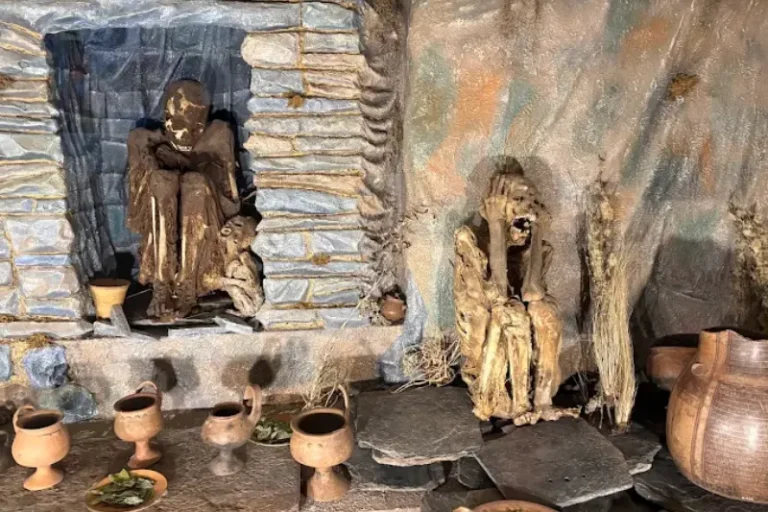
The mummy section is where most visitors go quiet. Inca burial practices documented in ways photographs and guidebooks simply don’t prepare people for. Worth lingering here longer than the rest.
Museo de Arte Precolombino
On Plaza de las Nazarenas, the Pre-Columbian Art Museum MAP is a branch of Lima’s Larco Museum. Ancient artifacts treated as high art rather than anthropological evidence, dramatic lighting, galleries feeling closer to a contemporary art space. Gold, silver, bone, and shell pieces from Nazca, Moche, Wari, and Chimú cultures across three thousand years of Peruvian history.
Curation here is exceptional. The MAP Café in the courtyard is worth building into the visit rather than skipping on the way out.
Museo Inka vs Museo de Arte Precolombino
Museo Inka vs Museo de Arte Precolombino is honestly just one question. History buff or art lover. Museo Inka delivers deep context about Inca daily life with an overwhelming artifact count. MAP delivers aesthetic precision across a broader pre-Columbian timeline. The answer usually arrives within thirty seconds of knowing what someone actually wants from a museum.

Architectural Marvels: Where Two Worlds Collide
The Spanish built their colonial city directly on Inca foundations and accidentally created something architecturally unique that exists nowhere else. Two institutions make that collision most visible.
Qorikancha and the Convent of Santo Domingo
Qorikancha was the richest temple in the Inca Empire, dedicated to Inti, walls historically covered in solid gold plates. Spanish stripped the gold and built Santo Domingo directly over the foundations. The Convent of Santo Domingo architecture today makes both civilizations visible in the same building simultaneously.
European arched hallways lead into inner chambers of flawless mortarless Inca stonework that survived earthquakes the colonial structures above couldn’t. Best time to visit Koricancha Sun Temple is 8:30 AM at opening or 4:30 PM when golden hour light moves through ancient trapezoidal windows exactly as it was designed to centuries ago.
Museo de Arte Religioso
Short walk from the plaza, the Archbishop’s Palace has the Twelve-Angled Stone in its exterior Inca wall as the obvious landmark. Inside, the colonial art in the Archbishop’s Palace showcases the Cusqueña School of Painting characteristics in ways that reward slow looking. Indigenous painters trained by Spanish masters quietly embedded their own symbolism into Catholic canvases for centuries.
Things specifically worth finding:
- Flat two-dimensional perspective rather than traditional European depth.
- Brocateado gold leaf on garments of saints and the Virgin Mary.
- Andean flora and fauna in biblical scenes, parrots, llamas, guinea pig at the Last Supper.
- The Virgin Mary in a triangular shape representing Pachamama and sacred Andean mountains.
Interactive and Specialized Experiences
Not every museum here operates as a quiet gallery. Several focus on living Andean culture rather than historical artifacts, and those tend to produce the visits people actually remember.
Delving into Andean Traditions
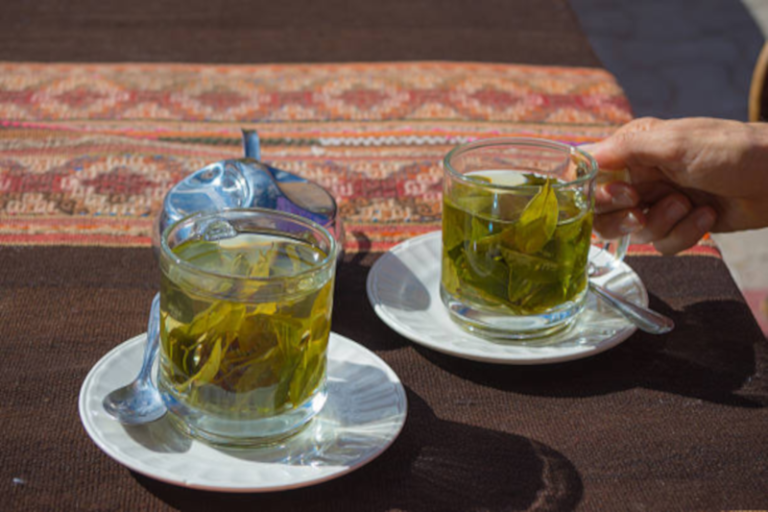
The history of the coca leaf museum takes a plant most outsiders know only through its most controversial association and drops it into actual cultural context. Sacred in the Andes for thousands of years, used in religious rituals, altitude remedies, and nutrition long before global politics got involved. Small museum, genuinely informative, shifts perspective fast.
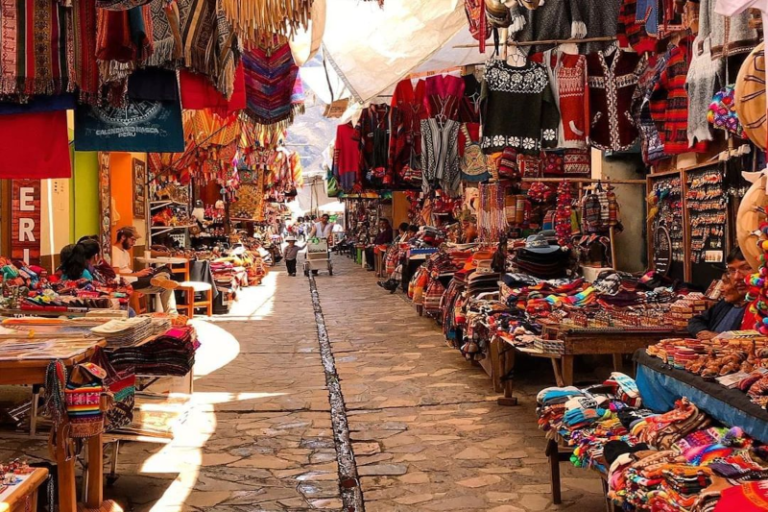
The Centro de Textiles Tradicionales del Cusco runs as part museum and part active workshop. Master weavers spin alpaca wool, dye it with natural ingredients including cochineal for the distinctive red, weave on backstrap looms while visitors watch. Buying here is fair trade and directly supports survival of techniques carrying specific community histories in their patterns.
A Sweet Escape
ChocoMuseo runs free exhibits on the jungle-to-bar cacao process, but booking one of the ChocoMuseo interactive chocolate workshops is the actual draw. Roasting cacao beans, grinding into paste, molding custom chocolates to take home. Works well for families or anyone needing a genuine break from heavy history without losing the cultural thread.
Off the Beaten Path: Exploring San Blas and Beyond
Steep cobblestone streets from the Plaza de Armas climb into San Blas, Cusco’s artisan quarter. Different logic up here than the museum circuit below. Hidden gem galleries in San Blas scatter through independent workshops rather than formal institutions, found by wandering rather than planning.
Descendants of the Mendívil family work here, known for sculptures of saints and virgins with distinctively elongated necks. Buying directly from the people making the work means genuine cultural weight and money reaching the right hands rather than a souvenir middleman.
Views of terracotta rooftops from the upper streets are worth the climb alone. Budget unstructured time here rather than squeezing it between scheduled visits.

Practical Tips for Your Museum Tour
Cusco sits at 11,152 feet and elevation makes a real difference to how much ground gets covered comfortably. Pacing matters more here than almost anywhere else.
A Suggested Half-Day Historical Walking Itinerary
- 9:00 AM: Plaza de Armas, then Museo Inka for foundational Inca context.
- 10:30 AM: Walk to Plaza de las Nazarenas for MAP. Coffee at the MAP Café in the courtyard.
- 12:00 PM: Head toward San Blas, stopping at the Archbishop’s Palace for the Twelve-Angled Stone and Cusqueña art.
- 1:00 PM: Wander San Blas artisan streets, gallery stops, altitude-friendly lunch with city views.
Accessibility and Comfort
MAP and Qorikancha both have ramps, elevators, and flat interior floors. Museo Inka has steep wooden staircases without elevator access, upper floors difficult for anyone with mobility limitations. Flat-soled shoes, consistent hydration, and taxis between sites when the cobblestones stop being charming. Taxis here are inexpensive and far less stressful than the alternative at altitude.
Conclusion
Cusco’s museums are where the stone walls start talking. Golden legends of Qorikancha, ceramics at MAP, living textile traditions at the CTTC, chocolate workshops, elongated saints in San Blas workshops. None of it requires specialist knowledge. Just slowing down enough to actually look at what’s in front of you.
The Inca Empire shaped a continent and left its evidence everywhere in this city. Stepping indoors to understand what the outdoor ruins are actually saying transforms a good trip into something considerably harder to forget.