
Most visitors leave without realizing they spent the day inside one of the most biologically rich environments on earth. The biodiversity of Machu Picchu isn’t background detail, it’s running alongside the archaeological story the whole time as an equal half of what this place actually is. Over 400 orchid species bloom in the shadows of ancient terraces. The Andean spectacled bear moves through the same forest Inca priests walked centuries ago.
The site is a biological island where the Andes crash into the Amazon basin. That crash produced something that exists nowhere else in quite this combination.

Riding the ‘Elevator of Life’: How Altitude Creates Multiple Worlds in One Park
Height works like a thermostat here, dropping temperature fast with every few hundred feet of vertical gain and swapping out what can survive at each level completely. The altitudinal zonation of the Andes mountains is the technical name for it, a stacked arrangement of entirely different habitats sharing the same slope. The unique ecosystems of the Inca Trail show this off more dramatically than almost any other place on the planet.
Harsh alpine tundra near the summits lets only tough low-lying grasses grip the ground. Drop a few thousand feet and the same mountain becomes dense, green, and unrecognizable from what sits above it. That compression of radically different life zones into a single day’s walking is what produces the extraordinary biodiversity in Machu Picchu.
The middle zone is the interesting one, where warm Amazonian air meets chilled mountain winds. A cloud forest forms in that collision where plants skip the soil entirely and pull water straight out of passing fog.
The Forest That Drinks the Mist: Why the Cloud Forest is Peru’s Giant Water Sponge
The contrast of cloud forest vs alpine tundra plant life shows up within the first hour of hiking anywhere in this region. Every branch in the middle zone carries mosses and epiphytes, plants that grow on other trees specifically to intercept fog moving through the canopy. That constant moisture drips into the earth below and keeps the rich flora and fauna of the Historic Sanctuary alive from the top down.
The Urubamba River basin is a biological haven largely because of what the forest above keeps doing to clouds passing through it. The river gets continuously fed by misty woods draining into it from every slope above. Without that water factory running, the ecosystem below it goes with it considerably faster than most people would assume.
That saturated mossy environment provides the specific conditions the most elusive Andean wildlife actually needs. The cloud forest isn’t scenery up here, it’s the infrastructure that makes everything else possible.
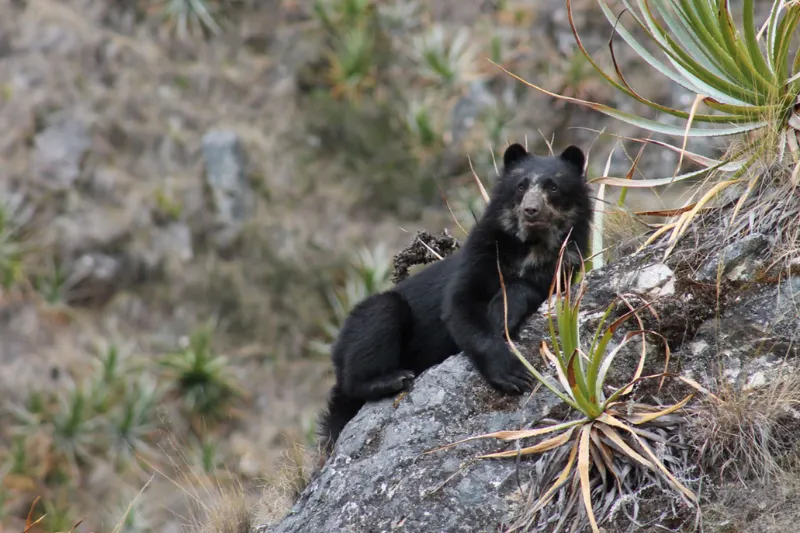
Meeting the Masked Bear and the Neon Bird: Tracking Machu Picchu’s Endemic Wildlife
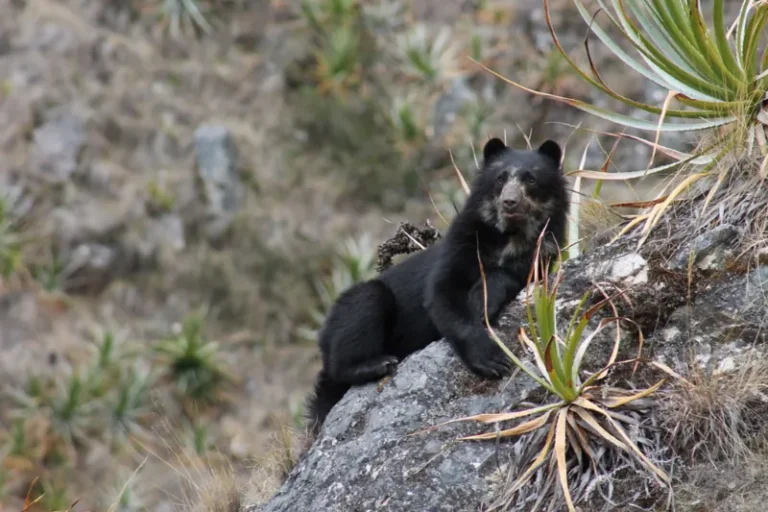
Pale rings around the eyes make the Andean spectacled bear immediately recognizable, and its presence here represents something genuinely irreplaceable about this ecosystem. Found nowhere else on earth, which is exactly why Andean spectacled bear habitat and conservation efforts carry weight beyond any individual animal. The habitat disappears and the species goes permanently with it, no population exists anywhere else to recover from.
A flash of neon red cuts through the misty canopy and first-time observers stop walking entirely. The Andean Cock-of-the-rock is the most visually striking example of endemic wildlife of the Peruvian highlands, full stop. Knowing how to spot the Cock-of-the-rock bird means finding a lek, a woodland clearing where males gather at dawn and perform competitive displays for watching females.
Two approaches that consistently work:
- Dawn visits to known lek areas when male birds are actively performing.
- Late summer canopy scanning when wild berries pull bears into visible range.
Jewels in the Ruins: Identifying Native Orchids and Incan Medicinal Plants
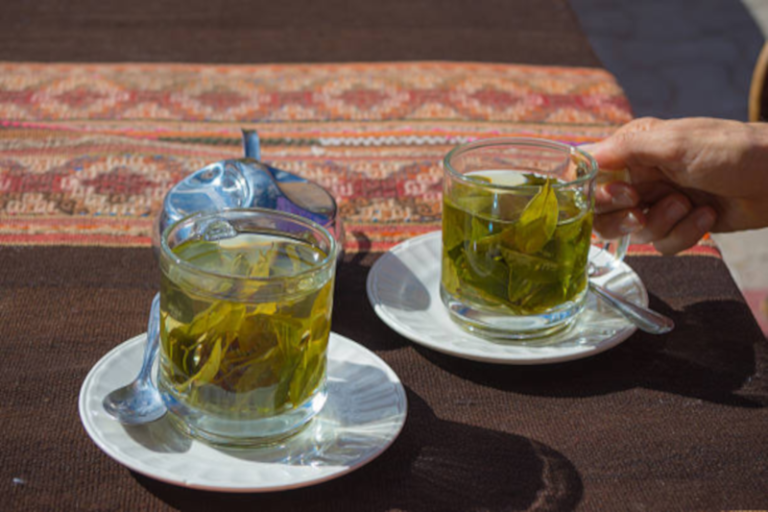
The ancient builders didn’t just construct on this landscape, they read it and used it deliberately. Walk the stone terraces and the smell of Muña hits without warning, wild Andean mint growing between ancient stones. A staple among the medicinal plants used by the Incan civilization for altitude sickness and digestive problems, used practically long before formal medicine existed anywhere on earth.
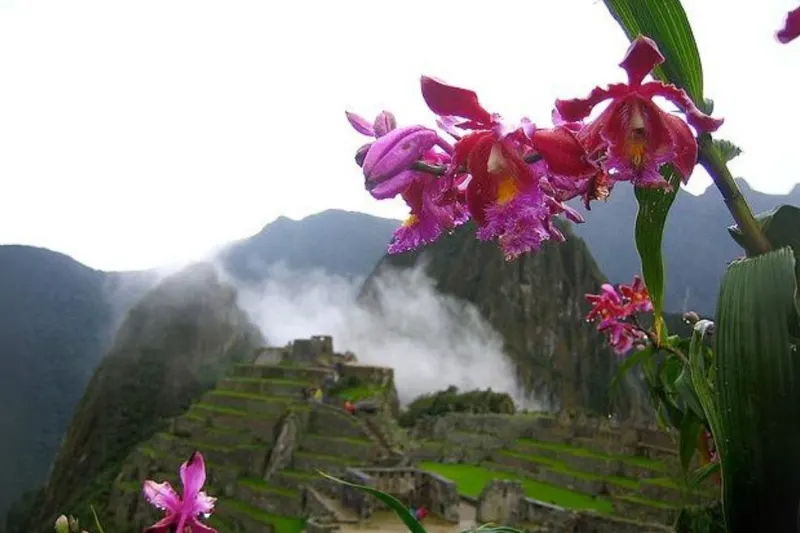
Orchids add color that most visitors walk straight past while focused on the stonework. Identifying native orchid species at the ruins is worth slowing down for with hundreds of varieties blooming at different times across the cloud forest. Three worth finding specifically:
- Masdevallia veitchiana: Neon-orange flowers appearing from grassy terraces.
- Epidendrum: Tiny star-shaped pink blooms hanging in clusters from tree branches.
- Sobralia: Large-petaled flowers that bloom for a single day then disappear.
Treading Lightly on Ancient Soil: How Your Visit Protects the Historic Sanctuary’s Ecosystem
Entrance fees here go directly to park rangers and habitat restoration rather than disappearing into general budgets. The sustainable tourism impact on local ecosystems flips from negative to positive when visitors understand that connection and make decisions with it in mind. Protecting endangered species in the Cusco region happens partly through individual choices made while walking through the site each day.
Four things that genuinely matter:
- Stay on trails to keep delicate orchid roots from getting compressed by foot traffic.
- Pack out all waste to stop animals from accessing human food sources.
- Hire local guides to support indigenous conservation knowledge and the local economy at once.
- Use biodegradable sunscreens and insect repellents to keep mountain streams clean.
These choices determine what the sanctuary looks like for people who visit it fifty years from now rather than just for the current season.
The Future of the Sanctuary: Why This Biological Hotspot Is Your Legacy Too
An engineering marvel and a biological island simultaneously, the Andes catching the Amazon’s breath in the same square mile. The biodiversity of Machu Picchu, a vertical neighborhood sheltering species found nowhere else on earth, is as much the point of this site as the stonework. Both things are equally true and one doesn’t reduce the other.
Looking past the terraces to the living cloud forest breathing around them is what actually being present here means. Five centuries of coexistence made the ecosystem and the carved stones permanently inseparable, and no amount of tourist traffic has changed that yet.