
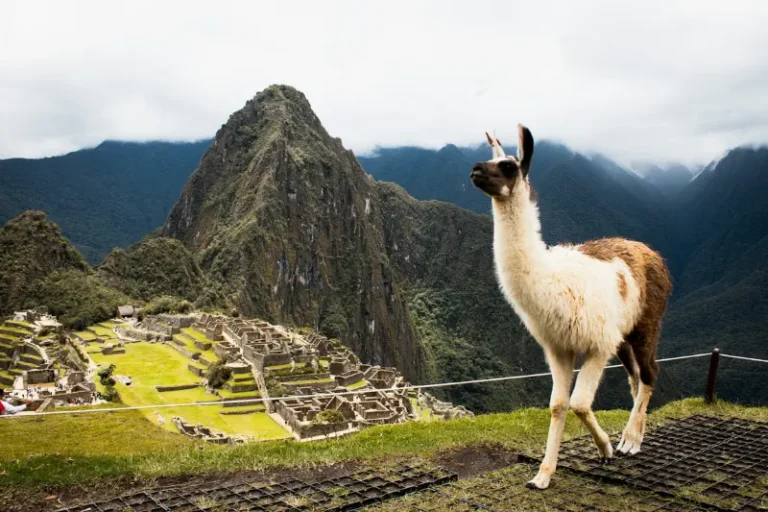
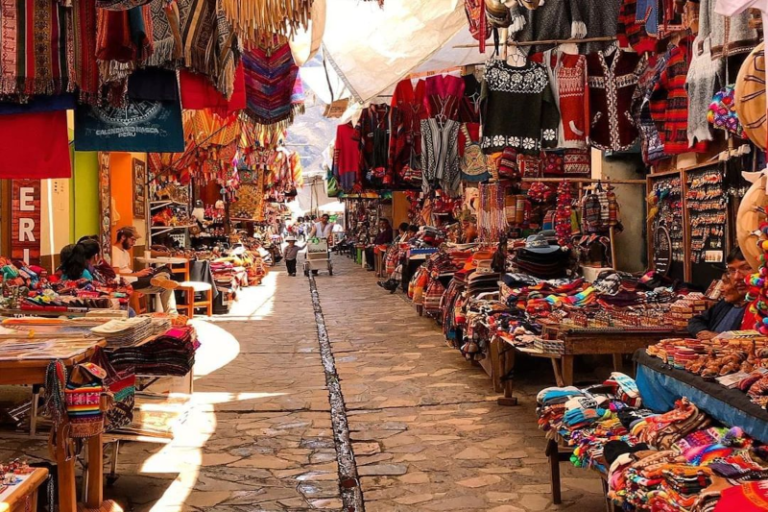
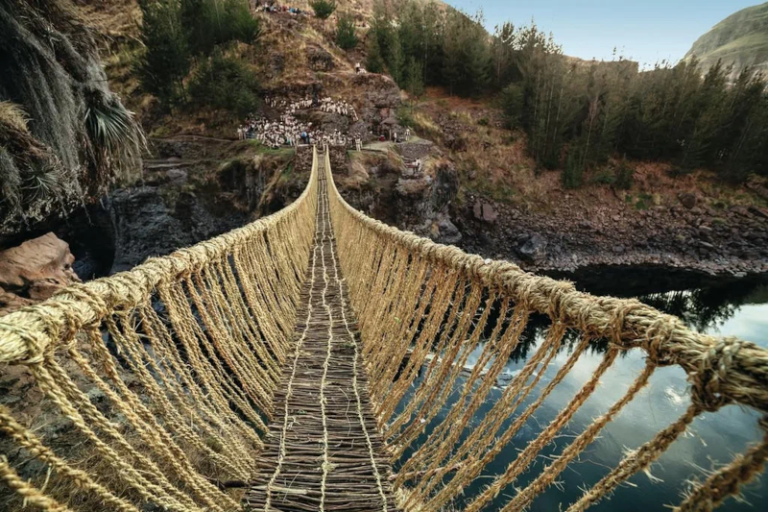

Morning mist splits and a stone city appears on a narrow mountain saddle. No buildup, no warning. The Machu Picchu Citadel just shows up, and what you thought you knew about it turns out to be insufficient preparation for actually standing there.
Specialists keep returning to this place with better tools and leaving with longer lists of questions. Nothing significant has shifted in five centuries despite tropical storms, earthquakes, and complete abandonment. That outcome wasn’t accidental.

How Emperor Pachacuti Built a Royal Estate in the Clouds
A jagged Andean ridge, the mid-1400s, and no iron tools or wheels available. Emperor Pachacuti’s 15th-century royal retreat got carved into that ridge anyway. Not a city in any familiar sense, a panaca, a private compound where the emperor and his inner circle could vanish completely from the pressures of the capital.
Three roles ran simultaneously across its roughly hundred-year lifespan:
- A royal residence offering luxury in the wilderness.
- A religious center honoring the sun and sacred mountains.
- An agricultural experiment station for testing high-altitude crops.
The lost city label was always wrong. When the Spanish conquest unraveled the empire, the Inca walked away from the estate and let the jungle cover it. Indigenous farmers in the area never lost track of it. Centuries of standing without any maintenance came down entirely to walls built without a single drop of mortar.
The Genius of Incan Engineering: Why These Stones Don’t Need Mortar
Massive granite blocks, near-vertical terrain, and zero metal tools. Workers dragged stones up mountain ramps and shaped them with harder river rocks, grinding the joints down until a credit card won’t fit between them today. Ashlar masonry is the name for it, and skipping the binding material entirely was a deliberate choice rather than a limitation.
Mortarless walls don’t fight earthquakes, they ride them. Blocks shift fractionally along their joints during a tremor and find their original positions again once everything settles. Colonial buildings in nearby valleys have crumbled repeatedly through the same seismic events that left the citadel untouched.
Six feet of annual rainfall hits this site, enough to strip a typical mountain settlement off its ridge entirely. More than half the construction effort went underground, into a drainage network of crushed rock and hidden channels that pulls tropical downpours away from the foundations before any real damage can start.
Unlocking the Sacred Alignments of the Sun and the Stars
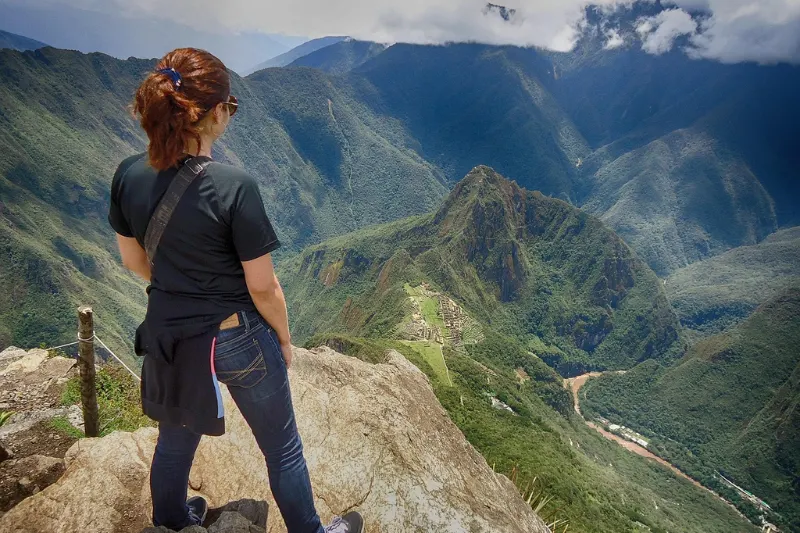
These peaks weren’t just scenery to the Inca. They marked the boundary between the physical earth and Hanan Pacha, the sacred upper realm. That cosmology didn’t stay abstract, it got cut directly into the stonework. The Temple of the Sun astronomical alignment catches the sunrise through precisely positioned windows at both solstices, turning a stone building into a calendar that still works.
Up at the highest point of the urban sector sits the Intihuatana, a carved granite pillar whose name means Hitching Post of the Sun. The historical significance of Intihuatana stone centers on a winter ritual where priests tied the sun symbolically to the rock during the shortest days of the year. The belief was straightforward: without the ceremony, the sun might keep retreating and never come back.
No temple here was generic sacred space. Every structure had a specific job in a system where astronomy, agriculture, and spirituality weren’t separate disciplines but different expressions of the same understanding of how the world worked.
Mastering the Maze: Which of the Four Official Circuits is Right for You?
Nobody wanders freely inside the citadel anymore. One-way circuits replaced open access years ago, and backtracking once inside isn’t possible. The path gets chosen before the gates open. The four official circuit routes work like this:
- Circuit 1: High viewpoints with the classic postcard perspective, skips the deeper ruins.
- Circuit 2: Full tour through the most famous upper and lower sectors, the most comprehensive option.
- Circuit 3: Lower route focusing on agricultural zones, easier terrain for limited mobility.
- Circuit 4: Ground-level inner temples, the flattest and least strenuous path available.
The Huayna Picchu vs Machu Picchu Mountain hike question is worth answering before anything gets booked. Huayna Picchu is short and brutally steep with serious vertical exposure. Machu Picchu Mountain takes longer, climbs higher, and delivers wider views without the technical sections. Both cap daily visitors aggressively and booking entry tickets online months ahead is just how it works now.
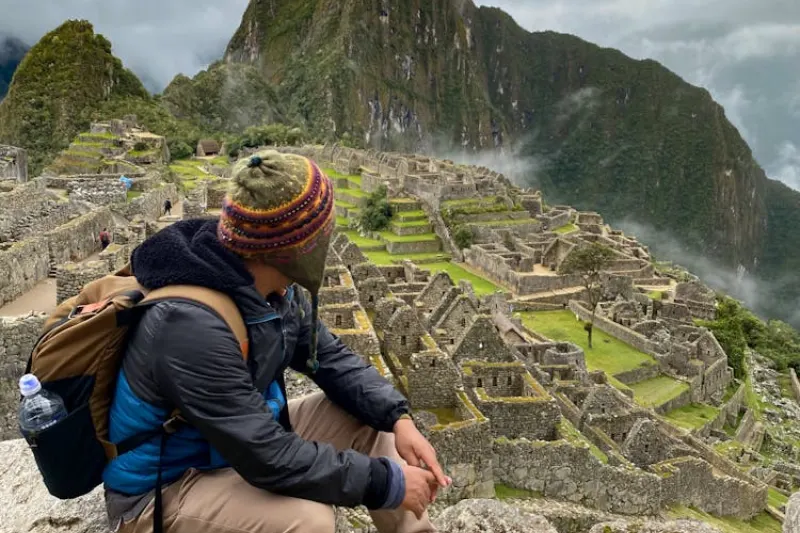
Essential Preparation: Beating Altitude Sickness and Packing Like a Pro
There’s no shortcut for learning how to prevent altitude sickness in Cusco. The body needs time at lower elevation before the citadel makes sense physically. Two days minimum in the Sacred Valley, consistent hydration, light food, and genuinely nothing strenuous. That window changes what the visit actually feels like rather than what it looks like in photographs.
The Aguas Calientes to ruins bus schedule runs every ten minutes from 5:30 AM up steep switchbacks. Lines form in the dark before the first departure at peak season. Early arrival isn’t a travel tip, it’s the functional difference between a relaxed morning and a chaotic one that takes hours to recover from.
Large bags stay at the hotel. The packing list for Andean highlands travel fits a small daypack and five things genuinely matter:
- Original physical passport, mandatory at the entry gate.
- Sturdy shoes with actual grip for uneven ancient stone steps.
- Layered rain gear for a microclimate that changes without announcement.
- High-SPF sun protection because altitude UV hits faster than expected.
- Insect repellent for the lower jungle sections of the site.
The Future of the Citadel: Why Conservation is the Next Great Challenge
The problem is simple and ongoing: too many people, same place, same time. UNESCO World Heritage Site conservation efforts address this through daily visitor caps, timed entry circuits, and structural monitoring that tracks the stones for minute shifts. Five centuries of tropical weather didn’t threaten the engineering the way concentrated foot traffic does.
Peru trekking best practices here aren’t suggestions. Marked paths only, all waste packed out, timed entry circuits honored, stonework left untouched. Skin oils degrade ancient stone surfaces over time and the accumulated effect of millions of hands on the same spots doesn’t reverse itself. It just compounds until something is genuinely lost.
The citadel survives what’s thrown at it when visitors treat it as a functioning archaeological site rather than a backdrop. That difference is the whole thing.
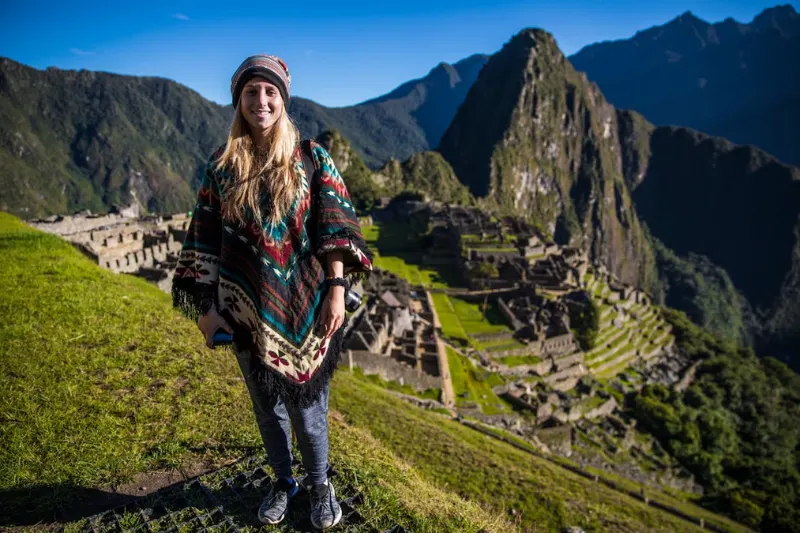
Conclusion
Finding this place beautiful is easy. Actually understanding what’s in front of you takes longer and produces something different. Engineering designed to dance through earthquakes, calendars built into stone windows, a drainage system handling six feet of annual rainfall with no visible infrastructure. All of it still working, all of it intentional, none of it accidental.
Five centuries of standing says something about the people who built it that photographs can gesture toward but never quite deliver.