
Specialists have studied these structures for decades. Most leave with more questions than they arrived with. The Inca left behind architecture nobody has fully explained yet, and the Inca Palaces are where that gap between what was built and what can currently be explained is widest.
Not royal homes in any familiar sense. Engineering statements, spiritual centers, administrative compounds. Built to outlast the empire that funded them, which they did comfortably.

The Heart of the Empire: Understanding Royal Inca Residences
Tahuantinsuyo covered Peru, Ecuador, Bolivia, Argentina, and Chile simultaneously. Cusco sat at the center. The Sapa Inca’s residence sat at the center of Cusco.
Death didn’t transfer property in the Inca system. When an emperor died, everything he owned stayed with his royal lineage. His successor got the title and nothing else.
That forced every new emperor to conquer fresh territory and build fresh compounds from zero. That specific requirement explains why so many distinct Inca Palaces exist scattered across Cusco and its surrounding valleys today.
Architectural Mastery: How Were Royal Andean Residences Built?
No iron tools. No wheel. No draft animals. No mortar. How royal Andean residences got built without any of those things remains genuinely unresolved in the specialist literature.
The mita labor tax generated millions of hours of human work for quarrying, transporting, and shaping enormous stones across terrain that makes logistics difficult even with modern equipment.
The Genius of Ashlar Masonry
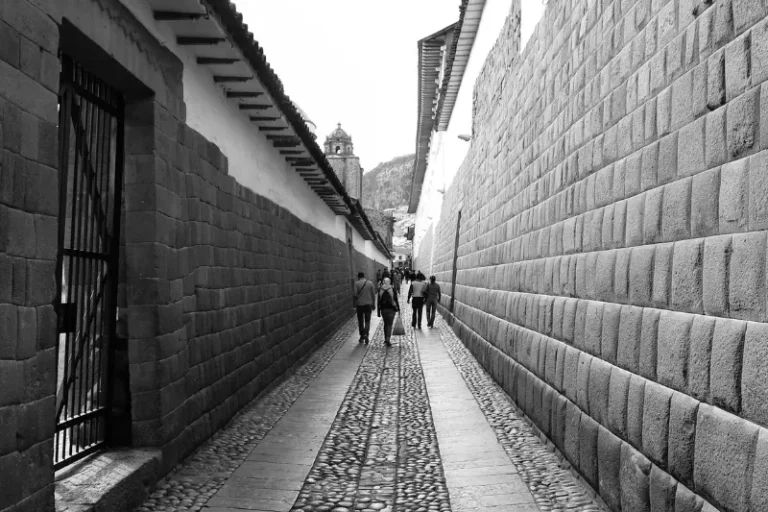
Imperial ashlar masonry techniques are what define these structures above everything else visible on them. Massive polygonal stones fitted together so tightly that paper won’t slide between them. No binding material anywhere in any joint across the entire structure.
Stone gripping stone through interlocking geometry only. Stonemasons who study these joints up close tend to stop talking for a while. That reaction is itself informative.
Defying the Earthquakes
The iconic trapezoidal windows and doors design had nothing to do with aesthetics. Walls leaning inward, bases wider than tops, centers of gravity deliberately kept low throughout every compound.
Tremors hit, the interlocking stones shifted, then settled back. Movement rather than resistance. That approach consistently outperformed everything the colonial builders tried on the same ground afterward.
A Striking Contrast
Comparing Incan stonework vs Spanish colonial architecture makes the difference impossible to argue with. The Spanish dismantled upper sections of Inca Palaces and built colonial structures directly on the ancient foundations beneath.
The 1650 and 1950 earthquakes tested both simultaneously. Colonial structures crumbled. The Inca foundations held without moving. The same result repeated itself until it became a documented fact rather than an interesting observation.

Iconic Inca Palaces and Royal Estates
Each palace reflects the landscape it sits in and the specific ruler who built it.
The Royal Estate of Machu Picchu
Emperor Pachacuti built the royal estate of Machu Picchu in the mid-15th century above the Urubamba River gorge. Not administrative, not military. A private winter retreat for hunting, entertaining dignitaries, and worshipping the sun far from the capital’s political noise.
The visitors arriving by bus from Aguas Calientes every morning are walking through Pachacuti’s personal vacation property. That one reframing tends to change everything else about how the site reads.
Coricancha Temple of the Sun
Coricancha sat in central Cusco, functioning as both the spiritual center of the Inca world and as a royal palace simultaneously. Golden Courtyard is the translation and that was entirely literal. Walls covered in solid gold plates, life-sized golden statues, floors inlaid with precious metals throughout.
The Spanish stripped the gold and built Santo Domingo directly over the foundations. When earthquakes subsequently hit, the colonial structure crumbled repeatedly. The ancient stonework underneath stayed completely still every time.
Pisac and the Sacred Valley
The Pisac archaeological park ruins show how far the royal building program extended beyond the capital itself. Agricultural terraces sweep along the mountainside alongside temples, military barracks, and elite residential sectors above a colonial village.
The precision of the stonework indicates a significant royal and religious center rather than a routine administrative outpost. It likely guarded the southern entrance to the Sacred Valley while functioning as a seasonal royal residence at the same time.
Life Inside the Palace Walls
An Inca palace wasn’t a quiet place. It was a functioning center of imperial life running continuously at the intersection of spirituality, politics, and the agricultural calendar without pause.
Massive central plazas hosted religious festivals, military parades, and grand feasts where the emperor displayed wealth and generosity to regional lords. Political loyalty in the Inca Empire ran directly through the emperor’s ability to feed and impress the people who owed him allegiance.
When an emperor died, his palace stayed open. The mummified remains stayed in the compound, fed and dressed and consulted on political matters by priests. Dead emperor, fully operational palace. That detail tends to sit differently the longer someone thinks about it.
The Pachacuti empire expansion history explains the scale of everything. Wealth and labor from conquered territories funded palaces built specifically to awe and intimidate newly assimilated populations. Architecture functioning as political messaging executed permanently in stone.

Engineering Brilliance Beyond the Stone
The stonework is the first thing visitors notice. The water management in Andean citadels is what specialists tend to find most impressive once they look past the obvious visual impact of the walls.
Water held sacred status in Andean cosmology. Royal estates were built with subterranean canals, aqueducts, and drainage systems managing heavy rainy season downpours while simultaneously preventing landslides on steep surrounding terrain.
Water moved through cascading stone fountains and ritual baths inside the palaces. The hydraulic gradients were calculated precisely enough that water still flows through ancient channels at Machu Picchu and Tipón today. Nothing else built in the region since has matched that specific longevity.
A Traveler’s Guide: Exploring the Ancient World
Visiting Cusco ancient heritage sites requires some planning to make the experience actually deliver what it’s capable of delivering.
Things that consistently matter:
- Acclimatize in the Valley: Cusco sits at 11,150 feet. Heading straight into the Sacred Valley after landing makes the first few days significantly more manageable for most people.
- Purchase the Boleto Turístico: Required for the majority of ruins around Cusco and the valley. Covers Pisac, Chinchero, Ollantaytambo, and Sacsayhuamán among others.
- Hire an Expert Guide: Solstice alignments, masonry details, specific historical context per compound. These things are genuinely easy to miss without someone who knows exactly what to point at.
- Visit Early or Late: Gates opening at dawn, or late afternoon as tour buses clear out. Both windows give access to atmosphere that midday crowds make completely impossible.

The Future of the Past: Protecting Incan Heritage
Preserving ancient Peruvian stone structures has become genuinely urgent as visitor numbers keep growing. Heavy foot traffic combined with increasingly unpredictable weather threatens foundations that survived five centuries without significant intervention.
Conservation work focuses on managing visitor numbers, building protective walkways to prevent soil erosion, and using laser scanning technology to monitor minute shifts in megalithic stones. Oils from human skin degrade stone over time. Touching the walls causes real damage rather than symbolic disrespect.
Staying on marked trails and treating these sites as active archaeological zones rather than outdoor museums are the practical things that actually produce measurable results.
Conclusion
Human ambition, engineering precision, and a relationship with the natural world that modern construction simply hasn’t matched or replicated. That’s where the legacy of the Inca Palaces actually sits. Imperial ashlar masonry techniques, water management systems still operational today, seismic engineering that outlasted everything subsequently built on top of it.
Walking through these compounds connects visitors to a civilization that moved mountains without the tools modern engineers consider basic requirements for the job. The stones make that argument more effectively than any description does.