


Planning your travel to Cusco is an exciting endeavor that promises ancient ruins, vibrant local culture, and breathtaking landscapes. As the gateway to Machu Picchu and the Sacred Valley, the historical capital of the Inca Empire is a bucket-list destination for millions. While catching a quick flight is a common choice, taking Buses to Cusco offers an unparalleled opportunity to witness the shifting, dramatic environments of South America up close.
Whether you are a budget-conscious backpacker or a luxury traveler wanting to soak in the panoramic views in total comfort, overland travel in Peru has evolved tremendously. Today, taking buses to Cusco is an incredibly popular, safe, and surprisingly luxurious option.
Here is your comprehensive guide to navigating overland travel to the Andes.
Flying vs Taking the Bus to the Andes
When deciding between flying vs taking the bus to the Andes, you must weigh time against health and experience. Flights from Lima take roughly 90 minutes, but they drop you directly into a high-altitude environment at 11,152 feet (3,400 meters). This sudden elevation change significantly increases your risk of altitude sickness (soroche), which can leave you bedridden for the first few days of your trip.
Bus journeys, while undeniably longer, allow your body to acclimatize gradually as you climb steadily through the mountains. Furthermore, road travel rewards you with access to scenic Andean mountain bus routes. You will watch the landscape transition from the arid Pacific coastal deserts to rolling green valleys, and finally up into the majestic snow-capped peaks of the Andes. Plus, taking an overnight bus saves you the cost of a night’s accommodation.
Popular Cusco Bus Routes and Travel Times
Understanding the layout of standard Cusco bus routes will help you build a seamless travel itinerary. Here are the three most common paths travelers take:
- From Lima: The journey from the capital is a massive 20-to-24-hour trek. Because of the sheer length, avoiding budget carriers is vital. Booking premium bus lines from Lima is highly recommended to ensure maximum comfort, proper climate control, and well-rested drivers.
- From Arequipa: A massive favorite among travelers who are acclimatizing progressively. The Arequipa to Cusco travel duration is roughly 10 hours. It is an ideal distance for a comfortable overnight trip, allowing you to wake up just in time to see the sunrise over the Andean foothills.
- From Puno: Connecting Lake Titicaca to the Inca capital takes about 7 to 8 hours on a direct bus. However, for a much richer experience, many travelers opt for a guided tourist bus from Puno. Often referred to as the “Route of the Sun,” this 10-hour journey turns a travel day into a full tour, making stops at fascinating archaeological sites like the Raqch’i ruins and the stunning colonial church of Andahuaylillas, culminating with a buffet lunch.
Top Transport Providers: A Best Bus Companies in Peru Review
The quality of road transport in Peru varies wildly. To travel safely and comfortably, it is essential to stick to the top-tier providers. When looking at a best bus companies in Peru review, names like Cruz del Sur, Civa, Oltursa, and Peru Hop consistently dominate the list.
Cruz del Sur vs Peru Hop Comparison
A frequent debate among travelers is the Cruz del Sur vs Peru Hop comparison. The right choice depends entirely on your travel style:
- Cruz del Sur: This is a traditional, luxury point-to-point service. They are highly renowned for their punctuality, strict safety protocols (including GPS speed tracking and mandatory driver swaps), and top-of-the-line buses. This is ideal if you want to get from point A to point B in maximum comfort.
- Peru Hop: Designed specifically for international tourists, this is a flexible hop-on, hop-off service. They offer bilingual guides, organize minor tours along the route, and provide direct hotel pick-ups and drop-offs. It is highly social and great for solo backpackers, though the actual buses are slightly less luxurious than Cruz del Sur’s top-tier fleets.
Unmatched Onboard Comfort
Long hauls are a breeze if you opt for night travel with full cama seats. “Cama” means bed in Spanish, and these VIP seats recline up to 160 or even 180 degrees, allowing you to sleep flat. Travelers are often amazed by the amenities of executive class buses in Peru. Expect personal entertainment touchscreens (similar to long-haul flights), plush blankets, pillows, hot onboard meals served by attendants, and USB charging ports.
Essential Tips for Bus Travel Safety in Peru
Bus travel safety in Peru has improved drastically over the past decade. Premium providers operate modern fleets with strict maintenance schedules. However, a smooth trip still requires a bit of smart planning.
- Book in Advance: Utilize online booking for Peruvian bus lines. Websites like RedBus or the official portals of major carriers allow you to secure your preferred VIP seat in advance. Booking early is especially critical during the dry high season (May to September) when the best seats sell out days ahead.
- Prevent Altitude Sickness: Managing altitude sickness on road trips is a crucial part of the journey. Drink plenty of water, avoid heavy meals or alcohol before travel, and sip on coca tea or chew coca leaves if you feel lightheaded. Buying Soroche pills from a local pharmacy before you leave the coast is also a great fallback.
- Monitor the Weather: Pay close attention to the calendar. From December to March, you will likely encounter wet season travel road conditions. Heavy rains in the Andes can occasionally cause localized flooding, landslides, or route detours, which may add hours to your journey. Build a little flexibility into your travel schedule if visiting during these months.
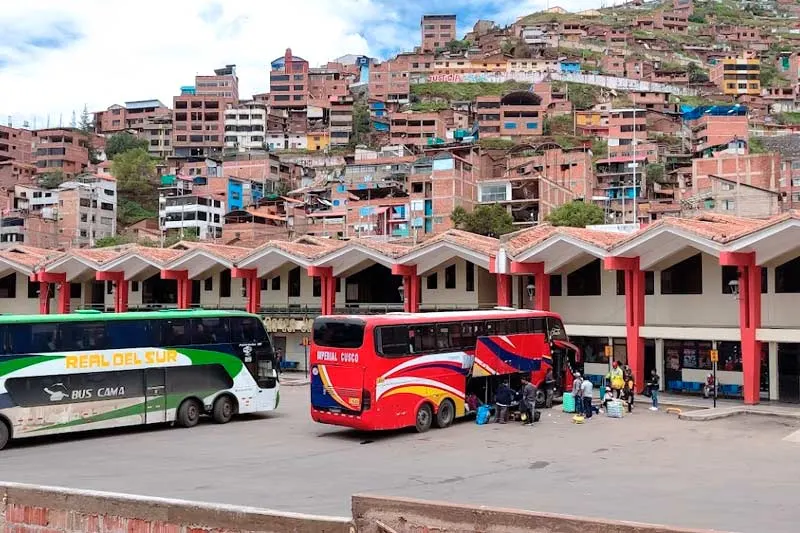
Navigating Your Arrival: Terminal Terrestre de Cusco
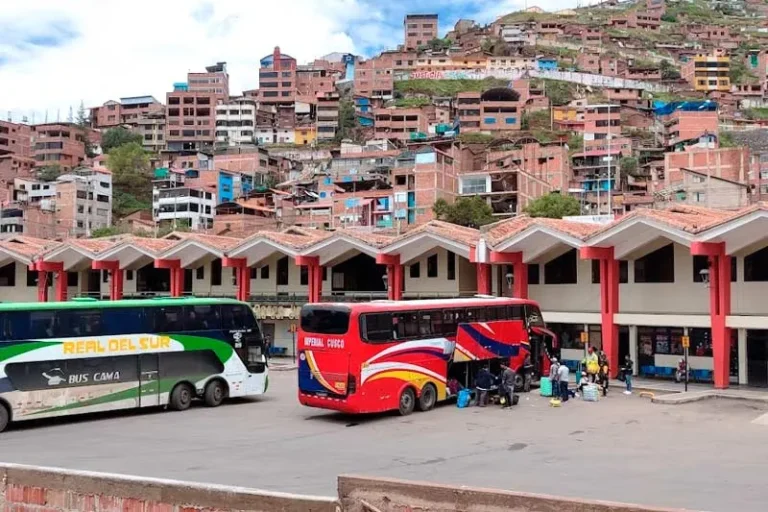
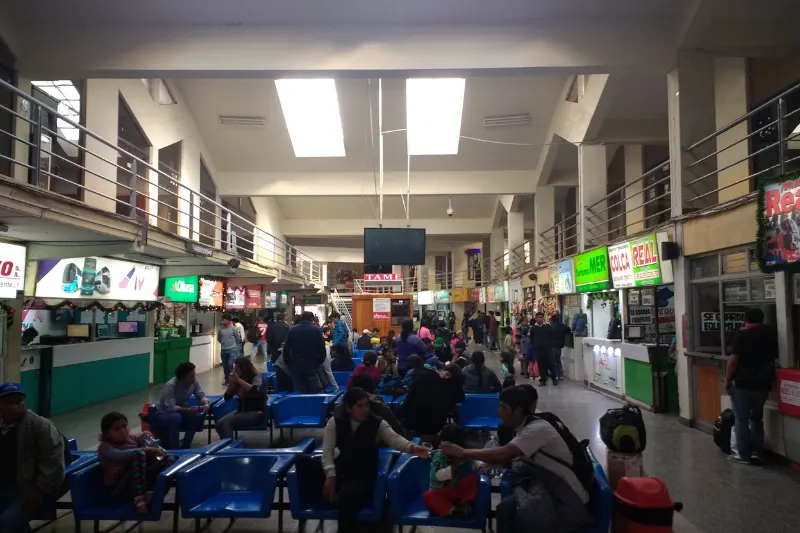
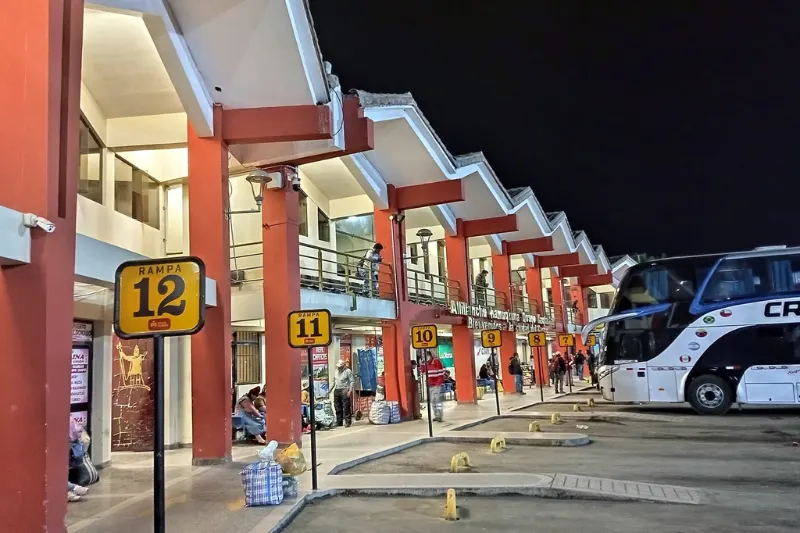
After winding through the Andes, you will finally arrive at the city’s primary bus hub. The Terminal Terrestre de Cusco location is situated in the Santiago district. It is conveniently close to the tourist hub—only about a 10-to-15-minute taxi ride from the historic Plaza de Armas.
When you step off the bus, collect your checked bags carefully. Fortunately, luggage security at bus terminals operated by premium companies is excellent. They use a strict baggage tag system matching your claim ticket, so nobody else can walk away with your suitcase. However, always keep a close, physical hold on your carry-on items and electronics during the commotion of disembarking. To get to your hotel, bypass the aggressively shouting touts and only use the official, registered taxis located just inside the terminal gates.
Final Thoughts
Embarking on an overland journey to the heart of the Inca Empire is far more than just a transit choice; it is a gateway to the raw, unfiltered beauty of South America. By prioritizing reputable bus companies, preparing effectively for the altitude, and choosing the right class of service, your journey through the clouds will be just as enchanting as the ancient city that awaits you at the end of the road.