
A quick roadmap (so you know where we’re headed)
- What altitude sickness feels like in places like Cusco
- What coca tea is (and what it isn’t)
- How it may help, in plain English
- How to drink it, how much, and when
- How it compares with meds like acetazolamide
- Drug tests, airport rules, and a few practical travel tips
Landing in the Andes can feel like a movie scene. The sky looks closer. The mountains look unreal. And then you walk up one mild set of steps and think, “Wait… why am I breathing like I just ran a sprint?”
That’s the altitude talking. And in Peru, one of the first things people will hand you for it—often before you’ve even found your luggage—is mate de coca, coca leaf tea. It’s warm, slightly bitter, and weirdly comforting. Like the Andes saying, “Yeah, this is a lot—have a cup.”
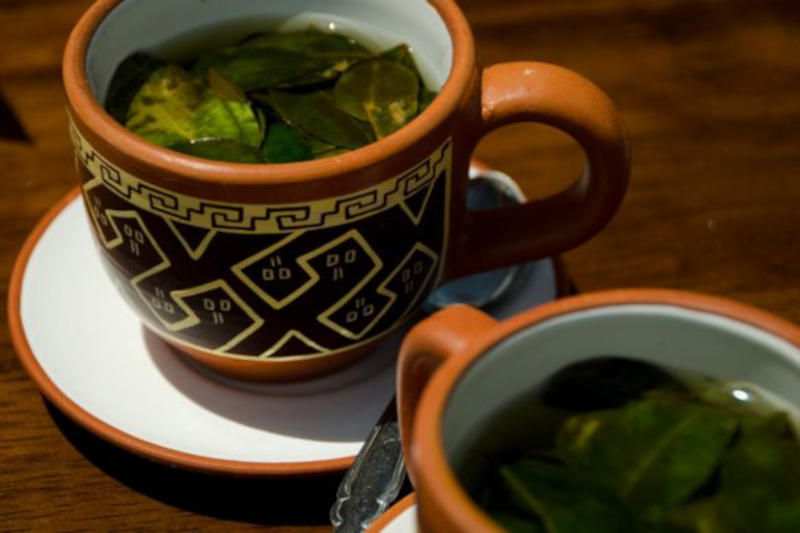
Let me explain how Coca tea fits into the picture with regards to the prevention of altitude sickness, what evidence and real world experience has revealed, and what precautions to take—particularly if going back to the United States or one of those jobs that requires a drug test.
So, what’s the deal with altitude sickness?
Altitude sickness (locals often call it soroche) happens when your body doesn’t have time to adjust to thinner air. At higher elevations, each breath gives you less oxygen. Your body can adapt, but it needs time—kind of like onboarding a new team member. If you rush it, things get messy.
Cusco’s altitude is about 11,152 feet (3,400 meters). Many travelers fly in from Lima (near sea level). That quick jump is why Cusco altitude sickness is so common. Your brain and muscles notice the oxygen drop fast, even if you’re fit and hike all the time at home.
Typical symptoms sound simple, but they can derail a trip:
- Headache (the classic)
- Nausea, low appetite, or a “no thanks” feeling around food
- Lightheadedness
- Fatigue that feels out of proportion
- Trouble sleeping
And yes, the breathlessness can feel dramatic. You’re not being “out of shape.” Your body is doing math with less oxygen than it’s used to.
Meet coca tea (and no, it’s not what some people assume)
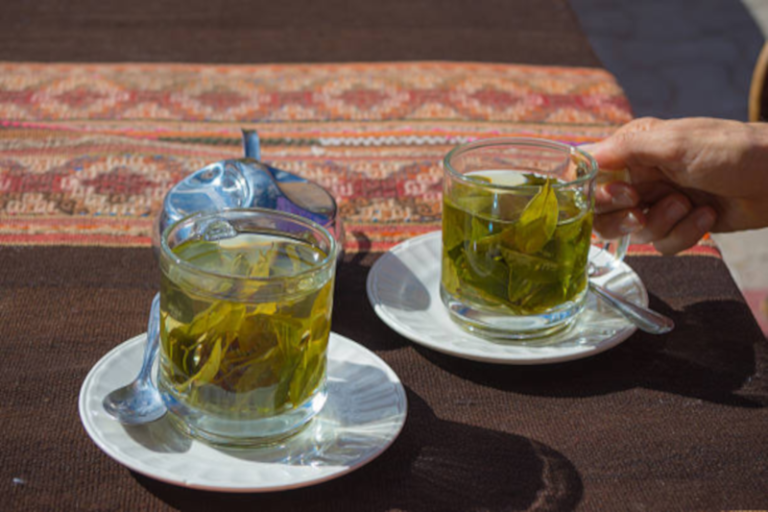
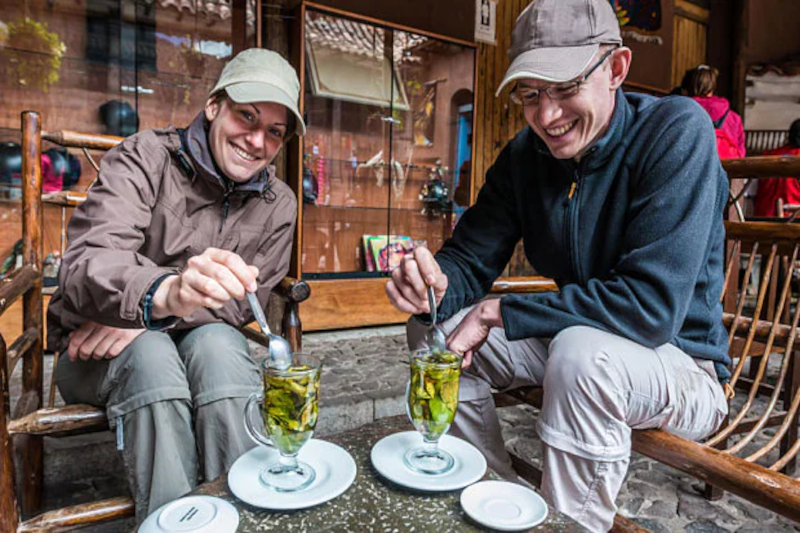
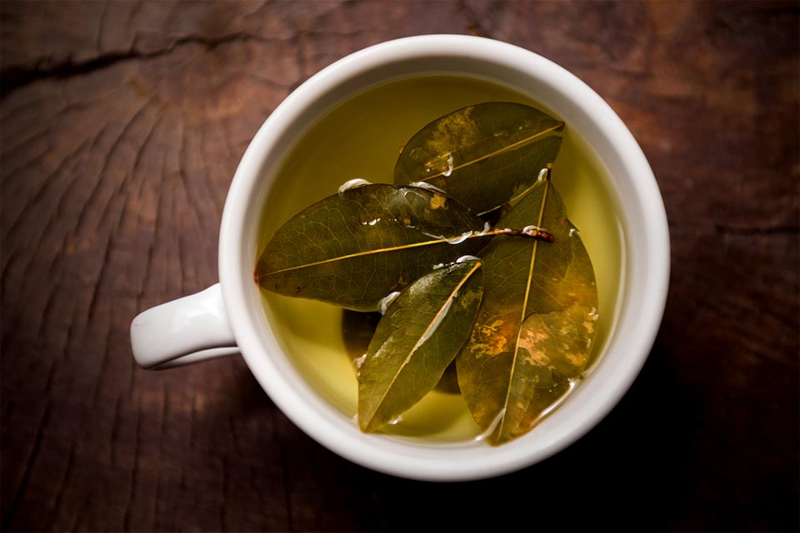
Coca tea is an herbal infusion made from coca leaves (the coca plant, Erythroxylum coca). In Peru, coca leaf tea is everyday normal—served in hotels, sold in markets, offered by guides, and sipped by locals who live and work at altitude.
Here’s the part that needs a clear, calm sentence: coca leaves are not the same thing as cocaine. Cocaine is a highly processed drug made through chemical extraction. Coca tea is steeped leaf water with a very small amount of coca alkaloids.
Still, the association matters for legal rules and drug tests (we’ll get to that). For now, think of coca tea as a traditional, mild stimulant tea—closer in vibe to strong green tea than anything else.
Why it might help (the “work meeting” version)
At altitude, your body is trying to keep oxygen delivery on track. In workplace terms, it’s like your “oxygen supply chain” got disrupted. Your lungs, blood vessels and heart need to work together even better, or faster. I’d like to mention here that slow, hydration, and local remedies are all terms they’ll hear used when talking about it.
So where do coca tea benefits fit? There is some mixed research and not everything is perfect (as in high altitude environments) however there are some plausible avenues in which Coca tea could help in alleviating mild symptoms:
- Mild stimulation: The leaf contains alkaloids that can act as a gentle stimulant. Some people feel more alert and less wiped out.
- Breathing and circulation support: Many travelers report easier breathing and less “chest tight” discomfort. Mechanisms aren’t fully nailed down, but improved comfort can make the acclimatization window feel smoother.
- Stomach settling: Nausea and slow digestion are common. Warm tea can be soothing, and coca is traditionally used for digestion.
- Headache relief for some people: Not a guarantee, but it’s a frequent reason people reach for a cup.
Is this a cure at high altitudes miracle pill? No. However, rest, fluids, light food and taking time off for a time are beneficial, and the entire approach will be of help, so this can be a useful addition to an overall plan when symptoms are mild or moderate.
Okay, but does it actually feel good to drink?
Yes, in as much as it will alleviate physical pain and let your body rest when you are cold and tired and your brain is foggy. Tasty: earthy and slightly bitter taste as with a leafy type herbal tea. After a few cups most people get used to it. If it’s not your favorite, a little honey helps.
But there’s something in the social aspect here, too. A cup is like being part of the local rhythm, in Cusco. Travel isn’t just about getting to and from places, other things are about the little humane things that are said and done, and that stick with you long after.
How to drink coca tea without overthinking it
You’ll usually see it as tea bags or as whole dried leaves. Either works. The goal is simple: hot water, short steep, then sip.
Tea bags (easy mode)
Steep one bag for about 3–5 minutes. If it tastes weak, steep a bit longer next time.
Whole leaves (market mode)
Use about 5–7 leaves in a cup. Add hot water that’s below a hard boil. Let it sit 5–10 minutes, then drink. You can strain, or not—people do both.
One small note: if you’re also pounding coffee because you’re jet-lagged, consider spacing things out. Too much stimulant plus altitude can make your heart feel a bit “busy,” which isn’t fun when you’re trying to sleep.
How many cups is reasonable?
Most travelers do well with 1–3 cups a day, usually morning and early afternoon. Late-night tea can mess with sleep, and sleep at altitude is already a little glitchy. Your body’s working overtime; give it the night off.
Chewing leaves vs drinking tea (you’ll see both)
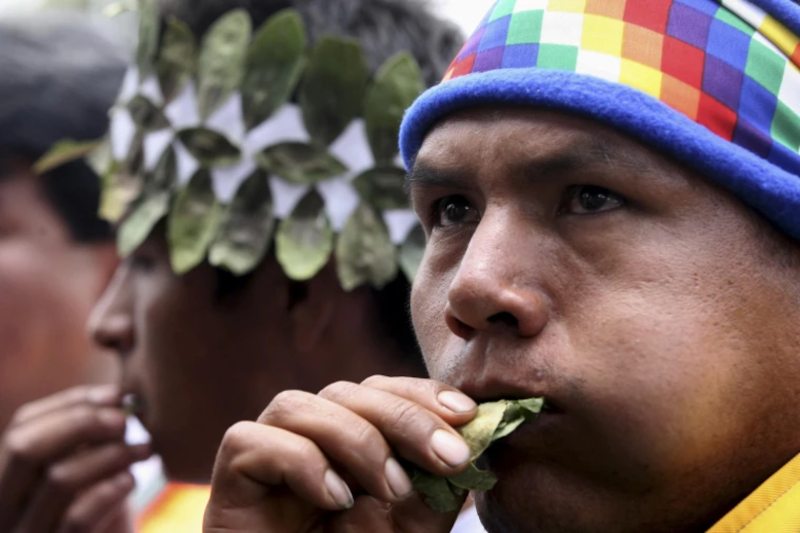
You may notice locals chewing coca leaves. That’s a traditional practice, and it can be stronger than tea because the leaves stay in contact longer (and are sometimes used with an alkaline catalyst).
For the majority of people, the simpler touch is tea. Chewing may dull the senses of your mouth and be very intense if you are not accustomed to it. If you want to ask questions and try to go slowly.
Natural remedy vs pharmacy meds: what’s the smart comparison?
Travelers often ask about soroche pills versus natural herbal tea. Here’s the clean way to think about it:
The tea, made from Coca, is traditional and mild. It may help to help you feel better while you’re adjusting. Complements rest and rehydration.
Acetazolamide (Diamox) is a real, evidence-backed medication used to prevent and treat altitude illness for many people. It can have side effects (tingling fingers, more peeing, taste changes). Some folks love it. Some don’t.
Local “soroche pills” can vary by brand and ingredients. Some contain aspirin, caffeine, and other components. They can help symptoms, but read labels and be cautious if you have medical conditions.
If you’ve had bad altitude sickness before, or you’re on a tight schedule (like landing in Cusco and hiking the next day), talk with a clinician before you travel. That small planning step can save a lot of misery. And if you’re managing a group trip, think like a project manager: build in buffer time. Buffer time is not boring; it’s insurance.
A quick but important safety sidebar
Mild altitude sickness is common. Severe altitude sickness is a serious medical problem. If anyone is confused, starting to have difficulty walking in a straight line or unable to catch their breath, can’t stop the headache that isn’t getting better or if the lips have a bluish tint, seek medical assistance and move to a lower altitude.
This article does not comprise diagnostic nor therapeutic recommendations. Prior to use of coca products or altitude medications, individuals with heart or lung disease, pregnancy, or those using prescription medication should consult their health care provider.
Drug tests and U.S. travel rules (the part people forget)
Now, the real-world question for working professionals: can coca tea trigger a positive drug test? Yes, it can. Urine may test positive for coca metabolites, even for a few days, after a single cup of cocaine use and, sometimes, even for several days after your last dose.
If you are on a regular screening job (transportations, healthcare, government, some corporate jobs), it might be safe and better to disregard coca tea and start utilizing other acclimatization devices like drinking more water, resting, moving without any speed and perhaps taking medication that has been endorsed by a clinician.
Also: Coca tea and coca leaves are legal in Peru, but in the U.S. they tend to be illegal. Don’t pack tea bags as souvenirs. Customs can confiscate them, and you don’t want that kind of surprise at the airport after a long flight home.
So what else helps? The simple Cusco acclimatization checklist
Coca tea works best as one piece of a bigger strategy. Here’s what tends to move the needle for most people:
- Take it easy on Day 1: Take your first day lightly. Soothing ambulation and routine feeding, early routines to sleep.
- Be sure to drink more water than you realize: The air is dry and you lose water more rapidly. Clear-ish is a good urine colour if you are peeing.
- Have light carb meals: Potato, Rice, Fruit and Soup. Your belly is getting used to it as well.
- Save up on concocting alcohol: wait until you feel stable to make pisco sour.
- Common sense–if you enjoy tools, then use them; a small pulse oximeter reader can be comforting (or somewhat stressful). Travel insurance with good medical coverage is also underrated.
And a small digression that matters: people often blame altitude for everything. Sometimes it’s also dehydration, bad sleep, and sun exposure. The Andes sun can be intense. A hat and sunscreen won’t fix soroche, but they can keep you from stacking problems on top of problems.
Bottom line: a cup of culture, plus real relief for many travelers
Coca tea from Peru is popular for a reason. For a lot of people, it takes the edge off the altitude adjustment—headache, nausea, fatigue, that “why is this so hard?” feeling. It also connects you to a living tradition that’s older than modern tourism by a long shot.
Use it thoughtfully. Pair it with slow pacing, water, and light food. Keep the drug-test and legality issues in mind. And if your symptoms get serious, don’t try to tough it out—descend and get help.
Because you didn’t come to Peru to spend two days in bed. You came for the ruins, the mountains, the street markets, the long conversations with guides, the “how is this real?” moments. A simple cup of tea can help you get there—breathing a little easier.