
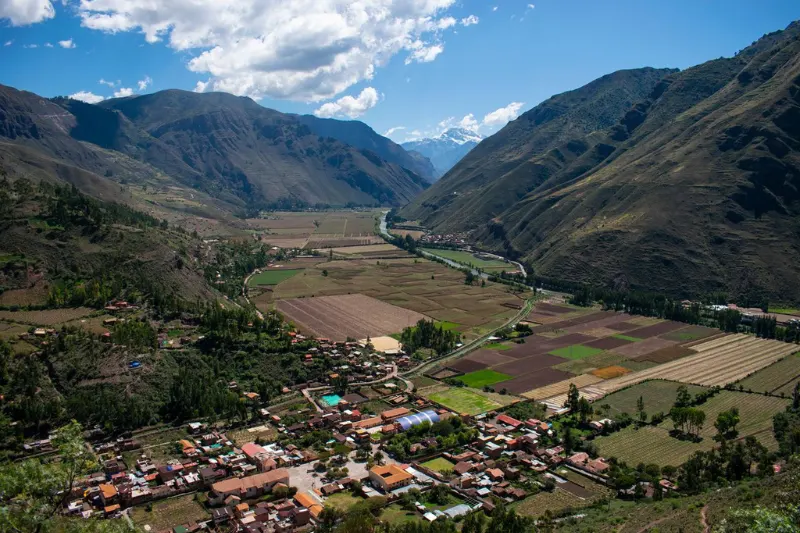
Most people arrive expecting ruins. What they find is harder to label. Ancient terraces still being farmed, water channels still running, towns laid out on Inca street grids where people actually live today. The archaeological centers in Sacred Valley aren’t preserved history. They’re history that never fully stopped.
This guide covers the sites, the logistics, the hidden spots, and the practical details that separate a good day from one people talk about for years.
Preparing for Your Andean Adventure
A small amount of advance planning saves real frustration at the gate.
Navigating Tickets and Timings
The Boleto Turístico del Cusco is what unlocks most of the valley. Knowing how to buy Cusco tourist ticket passes before showing up means no scrambling on the day itself. Full ticket covers 16 sites over 10 days, partial ticket covers specific circuits over one to two days. Pick it up at the COSITUC office in Cusco or at the entrance of any included site.
The best time to visit Inca ruins Peru is the dry season, May through October. Dry trails, clear skies, nothing slippery underfoot. April and November work well too, greener and quieter than the peak months.
Health and Budget Tips
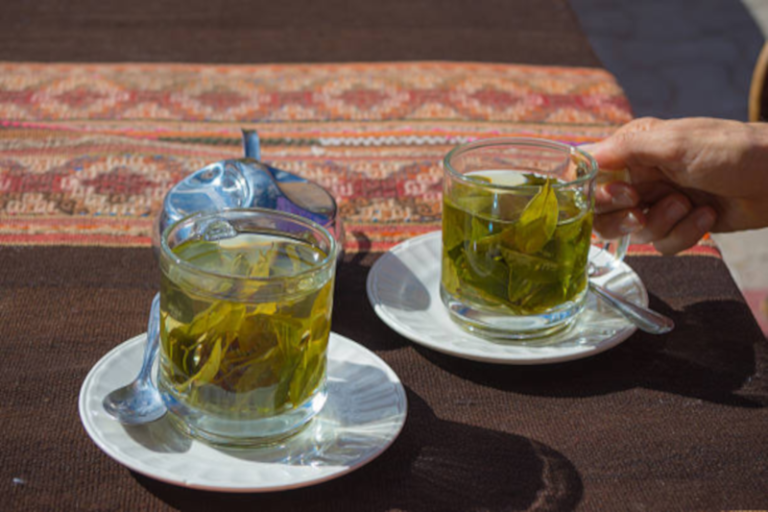
The Sacred Valley sits lower than Cusco and that gap matters more than most people realize before arriving. Going straight down into the valley after landing is the most practical approach to avoiding altitude sickness in Urubamba Valley. Coca tea, more water than feels necessary, and a genuinely unhurried first day cover most of what the elevation throws at new arrivals.
For budget friendly ways to see ruins, local colectivos beat group tour buses on every front except air conditioning. Shared minivans run constantly between Cusco, Pisac, Urubamba, and Ollantaytambo and put travelers alongside locals rather than other tourists the entire way.
The Great Titans: Pisac and Ollantaytambo
The Ollantaytambo vs Pisac ruins comparison is a conversation most people have before arriving and abandon after visiting both. Different enough that choosing between them doesn’t really make sense. Both deserve time.
The Hilltop Citadel of Pisac
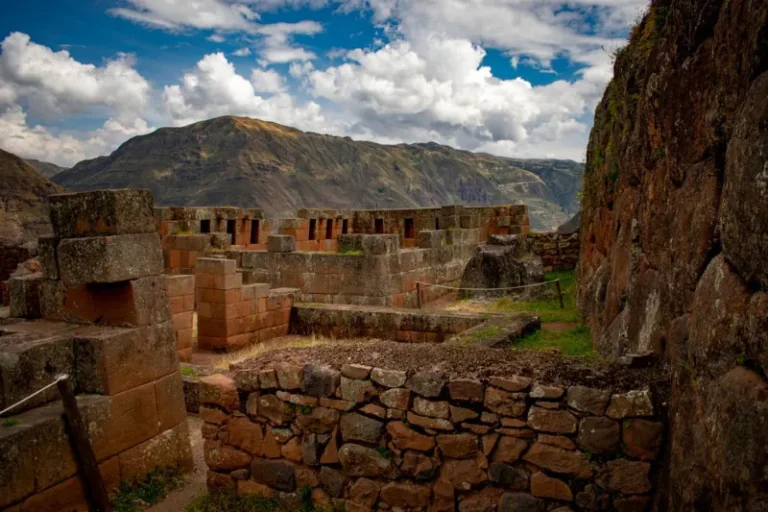
Pisac sits high above a colonial village and the views coming down from the upper terraces stop conversations mid-sentence. The curved agricultural terraces sweeping down the mountainside are what every photograph shows, but the largest known Inca cemetery and the well-preserved religious sector up top are what most visitors walk past without slowing down.
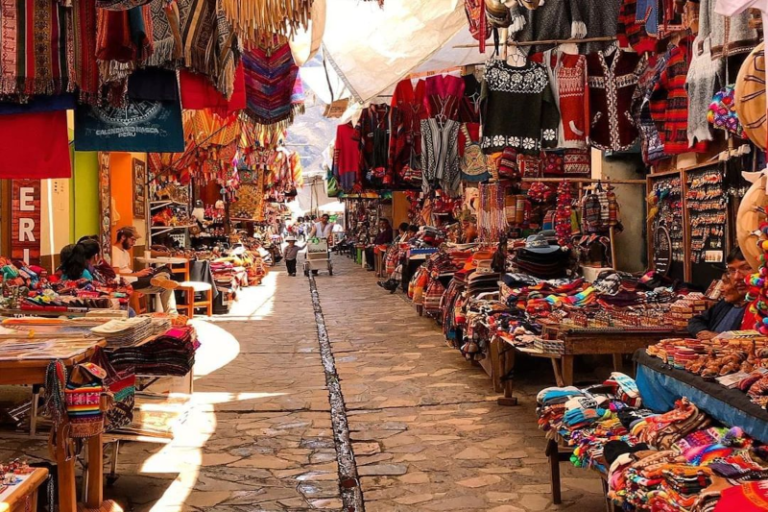
Hiking down from the upper ruins to the town market rather than taking a taxi back earns the view in a way that arriving by vehicle simply doesn’t replicate.
The Fortress of Ollantaytambo
Ollantaytambo is the only place in the valley where the Inca town plan is still in active daily use. Same street grid, same water channels, people living inside it right now in 2026. The ruins above served as both a religious temple and a military stronghold, and it was here in 1536 that the Incas handed the Spanish conquistadors one of their very few genuine open field defeats.
The Inca stone masonry architectural features on the Sun Temple terraces are worth a slow deliberate look. Porphyry blocks over 50 tons fitted together without mortar at a precision that makes modern stonecutters genuinely uncomfortable when they study the joints up close

Agricultural Innovation and Geological Marvels
The Incas approached agriculture the way they approached architecture. Engineering applied to a specific problem rather than tradition passed down unchanged.
Moray and Maras
Moray doesn’t look like a farm. Concentric circular depressions descend into the earth creating temperature differences of up to 15 degrees Fahrenheit between the top and bottom levels. Each ring a different microclimate, each one a different experimental growing condition. The Inca agricultural terraces of Moray were a research laboratory and the geometry still looks strange and deliberate in the best possible way.
The Maras salt mines vs Moray circles decision usually resolves itself since most operators run both in a single half-day. Maras predates the Incas entirely and features thousands of cascading white pools harvesting salt from a subterranean saline spring that hasn’t stopped flowing. The contrast between these two sites in the same afternoon tends to stick with people longer than either site would alone.
Culture and Off-the-Beaten-Path Treasures
The valley’s best material isn’t always found at the most visited stops.
Chinchero: Where History Meets Tradition
The historical significance of Chinchero archaeological site is layered in a way that takes a moment to actually absorb. Royal estate of Inca Tupac Yupanqui underneath, colonial church built directly on top of the original palace foundations above, living weaving tradition running alongside all of it simultaneously. The same conquest story visible throughout Cusco but in a smaller setting where the layers are far easier to read.
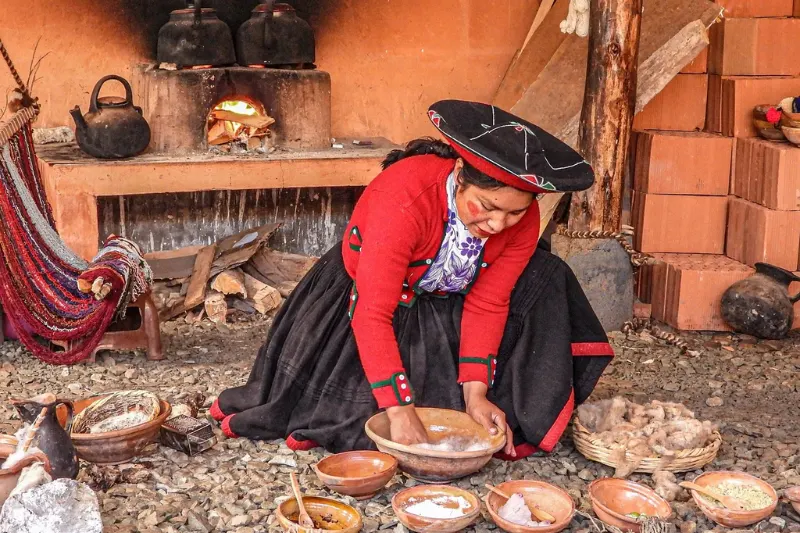
The Quechua cultural heritage experiences in Chinchero, watching local artisans wash, spin, and dye alpaca wool using cochineal insects and wild Andean flora, consistently compete with the ruins for what people remember most about the day.
The Hidden Refuge of Huchuy Qosqo
Figuring out how to get to Huchuy Qosqo is the main obstacle and it’s not a small one. No road access means only hikers arrive, which means almost nobody else is there when you do. Route starts from Tauca or Lamay, involves a strenuous day hike, ends at Emperor Viracocha’s royal estate against snow-capped peaks with essentially no crowds in any direction.
Water Worship and Defense Near Cusco
The sites on the outskirts of Cusco reveal a side of the empire the large valley complexes don’t show.
The Tipon water gardens hydraulic engineering tends to produce silence rather than conversation when people first see it. Stone channels, aqueducts, and ceremonial fountains across a steep mountain gorge fed by natural mountain springs that still work perfectly today after centuries of earthquakes. That single fact says more about the quality of what was built here than any description manages to.
Tambomachay and Puca Pucara history covers two completely different functions within the same short walk. Tambomachay was an elite resting place and water cult center with aqueducts channeling spring water through tiered stone walls. Puca Pucara was a military and administrative checkpoint guarding the primary route into the imperial capital just down the road.
Crafting Your Perfect Journey
A Sacred Valley day trip itinerary from Cusco that tries to hit everything in one day produces a list of sites visited rather than an actual experience of the valley.
One practical one-day route starts early in Chinchero, moves to Moray and Maras, drops into the valley for lunch in Urubamba, and closes at Ollantaytambo in late afternoon. That timing lines up well with the evening train to Machu Picchu from Ollantaytambo station, which is how many travelers transition cleanly to the next leg.
Hiring private guides for archaeological tours is the single change that most transforms what the valley actually delivers. Celestial alignments, religious symbolism, specific historical context of each compound. Almost entirely invisible without someone who knows where to point. That context is what separates seeing impressive stonework from understanding what it was built for.

Conclusion
Slowing down is the only strategy that works here. The archaeological centers in Sacred Valley don’t give up their best material to people moving quickly between stops. Mortarless stones of Ollantaytambo, agricultural laboratory at Moray, hydraulic systems at Tipon still running perfectly after centuries. None of it lands properly from a moving window.
Two days minimum is the honest recommendation. The extra time is the investment that makes everything else worth making the trip for in the first place.