
Wandering freely through the ruins stopped being an option a while back. Over-tourism was visibly chewing through ancient stonework and creating dangerous bottlenecks on paths the Incas never designed for thousands of daily visitors. The machu picchu circuits aren’t a suggestion anymore.
They’re a hard requirement that determines what gets seen and what doesn’t, and getting that choice wrong before traveling means a full day on the wrong path with rangers blocking any attempt to change course. Three routes, three entirely different experiences, three separate tickets bought in advance. Which one makes sense depends entirely on what the visit is actually for.
Understanding the New Circuit System
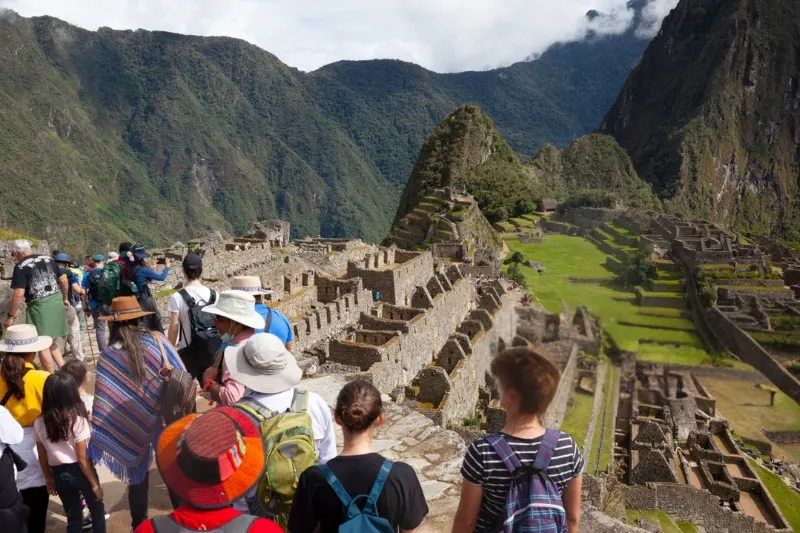
Ministry of Culture implemented the machu picchu circuits to manage visitor flow and protect 15th-century stonework that mass tourism was damaging in ways centuries of Andean weather hadn’t managed to. Rangers monitor every path. Backtracking banned outright. One direction, one route, entry to exit without deviation.
The circuit machu picchu system maps onto three distinct experiences. Panoramic upper terraces, comprehensive ancient city tour, or accessible lower ruins. Sounds bureaucratic until the alternative gets considered, thousands of people colliding on paths built for a fraction of that number.
The tourist ticket for Machu Picchu covers entry to the citadel but the circuit choice made at purchase is what actually determines the day. Pick the wrong one and the photograph or temple visit planned for months simply doesn’t exist on that route.
Circuit 1: The Panoramic Route
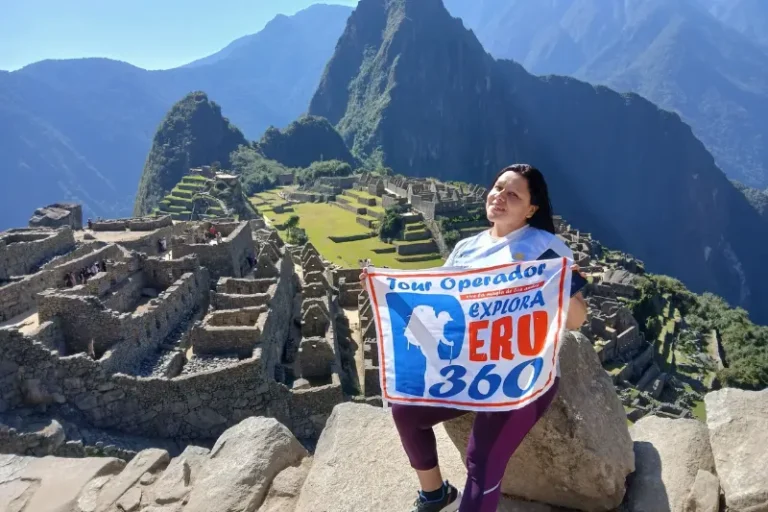
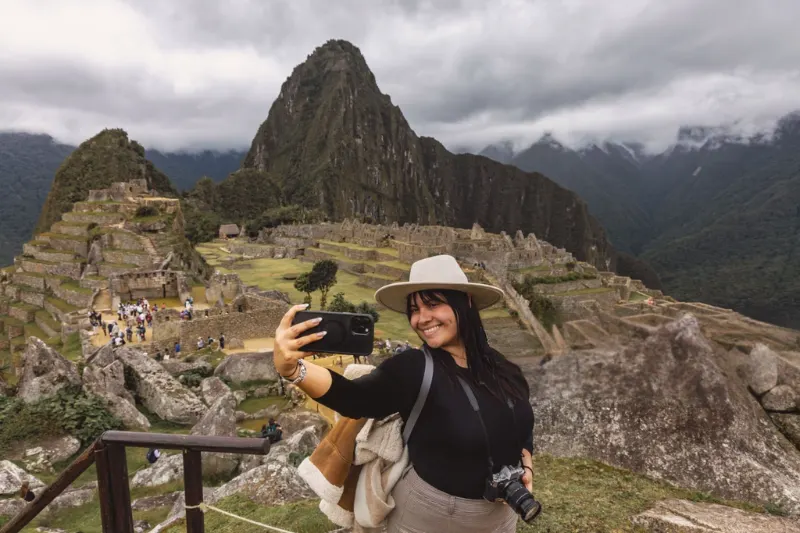
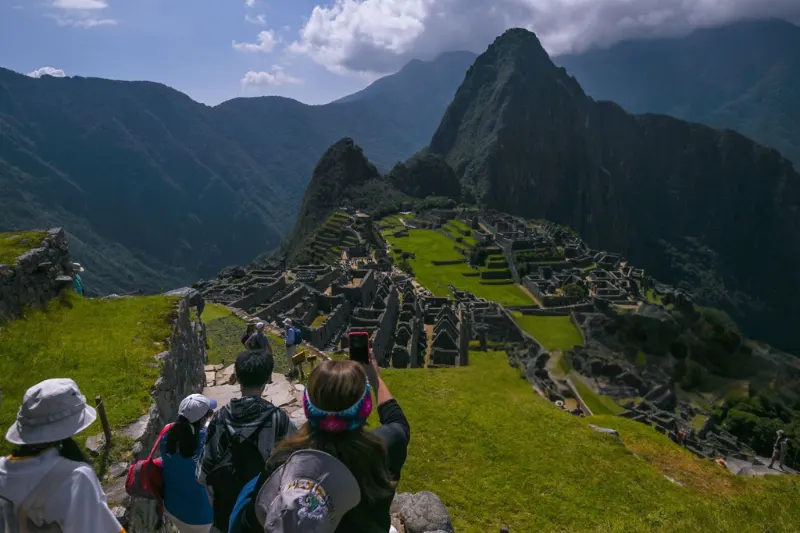
The postcard photograph, entire citadel with Huayna Picchu rising behind it, comes specifically from the upper agricultural terraces and the Guardhouse. That’s Circuit 1 and nowhere else. Highest vantage points inside the archaeological site, bird’s-eye view over the urban sector, the Urubamba River winding through the valley below.
Machu picchu circuit 1 tickets disappear fast during dry season, May through October. Booking months ahead isn’t overcaution on this particular route. Lower urban sector temples don’t appear anywhere on Circuit 1. Photography-focused visitors and anyone wanting a shorter highly visual experience land here comfortably. Anyone expecting temples and residential zones on the same ticket needs a completely different circuit.
Circuit 2: The Classic Inca City
Machu picchu circuit 2 is what most first-time visitors picture when they imagine actually exploring the citadel properly. Upper agricultural sector and deep into the urban and religious centers both. The most complete single-circuit experience the site offers by a significant margin.
Upper platforms were agricultural, terraces stopping landslides and producing crops at altitude in ways that still impress engineers today. Descending into the lower platforms means the spiritual and residential core where ceremony and daily life happened inside the same interconnected spaces. Sacred rock and temple of the sun both appear here with genuinely close access.
The Temple of the Sun’s curved walls and astronomical alignments built into stone. The Sacred Rock mimicking the mountain silhouette directly behind it, a spiritual focal point deliberately blurring the boundary between what humans constructed and what nature already placed there. A guide makes the difference between seeing stonework and understanding what it meant to the people who spent generations cutting it.
Circuit 3: The Royalty Route
Machu picchu circuit 3 runs through the Temple of the Condor, Water Mirrors, and the lower agricultural terraces. Entry from the lower part of the site, terrain noticeably flatter than Circuits 1 and 2, fewer steep stone staircases throughout the entire route compared to the upper options.
What is circuit 3 machu picchu in actual practice? Close access to royal quarters and architectural detail that the upper circuits don’t provide at the same proximity. Excellent accessibility for limited mobility visitors, elderly travelers, families traveling with young children who can’t manage steep stone staircases comfortably.
The Guardhouse doesn’t appear on this route which means the panoramic overview of the full citadel doesn’t either. Circuit two vs circuit three comes down to that single question settled before purchasing anything. Before entering the Machu Picchu citadel on any circuit, the Machu Picchu site museum just outside the entrance gate in Aguas Calientes is worth thirty minutes of anyone’s time. Original artifacts, ceramics, skeletal remains recovered from the site. That context changes how the stonework inside registers completely once visitors understand who actually lived there and how those lives worked.
Elevating Your Experience: Hiking Machu Picchu
Hiking machu picchu beyond the circuit routes means the surrounding peaks, separate combination tickets, and a physical dimension the ruins alone simply don’t offer. Two mountains dominate that conversation and the choice between them runs on fitness level, tolerance for heights, and the type of view that actually matters.
Huayna Picchu Mountain vs Machu Picchu Mountain
Huayna Picchu is the jagged peak behind the ruins in most photographs most people have seen. Moderate to strenuous difficulty, not from distance but from sheer verticality. Steep narrow ancient steps with sections lacking handrails entirely, 45 minutes to an hour ascending.
The perspective looking down on the citadel from the top doesn’t exist anywhere else in the sanctuary at any price. Tickets generally pair with Circuit 3. Machu Picchu Mountain sits on the opposite end, taller than Huayna Picchu, wider trail, considerably less exposed throughout the ascent. Roughly 1.5 to 2 hours each way.
Summit covers the entire sanctuary including Huayna Picchu, the ruins below, and the river winding through the valley in a single sweeping view. Better option for anyone uncomfortable with steep drops or extreme vertical exposure. Tickets generally pair with Circuit 1 or Circuit 3 depending on the specific entry product selected.
Integrating a Trek with Your Visit
A machu picchu trek arriving via the Classic Inca Trail or Salkantay trek enters the site differently than any standard ticket holder does. The train to Machu Picchu from Ollantaytambo or Poroy carries most visitors to Aguas Calientes, the town sitting at the base of the citadel, with PeruRail and Inca Rail both running daily services through cloud forest that’s worth watching through the window. Trekkers finishing the Classic Inca Trail skip that train entirely, arriving instead through Inti Punku at dawn in a way no bus or train arrival anywhere replicates.
Sun Gate access under current regulations is generally reserved for those completing the official Inca Trail in either its 4-day or 2-day form, or specific seasonal tickets covering that particular path. The official government site holds the most current rules since access conditions shift regularly and have changed multiple times already.
Practical Strategies for a Seamless Visit
Knowing How to Book Official Entry Tickets
Buying tickets after arriving in Cusco reliably means finding nothing left. Daily capacity is capped and peak season sells out weeks or months ahead consistently year after year. Ministry of Culture’s official website handles direct purchases, currently transitioning between platforms, with third-party operators available at a markup as backup. Entry time windows assigned at purchase, arriving early or late means being turned away regardless of having a valid ticket already in hand.
Be Strategic About Timing
6:00 AM to 8:00 AM entry is most popular and most likely to mean thick mist obscuring views until around 9:00 AM when it finally burns off. 2:00 PM to 4:00 PM is when large tour groups have already boarded trains back to the Sacred Valley and cleared out. Smaller crowds, golden afternoon light across the stonework, the site feeling more like a place than a performance staged for outside consumption.
Buses in Machu Picchu run from Aguas Calientes up the switchback road to the citadel entrance throughout the day. Consettur is the official operator, roughly 20 to 25 minutes per trip in either direction.
Lines build hard during peak entry windows particularly at 6:00 AM and again in late afternoon when everyone heads back down at the same time. Bus wait time needs factoring into any schedule or a carefully planned entry window gets missed after a long morning in town.
Hire a Guide and Book Ahead
No informational plaques exist inside Machu Picchu. Anywhere. Walking through without a guide means looking at remarkable stonework with no understanding of what any of it actually meant to the civilization that built it.
Agricultural terraces, the Temple of the Condor, Incan water management, all require context that signs simply don’t provide. Certified guides available at entrance gates in Aguas Calientes but booking ahead locks in a fluent English speaker who adjusts the pace to the specific group rather than rushing the standard route.
Pack Smart and Follow the Rules
Rangers enforce every rule without exceptions for any visitor under any circumstances:
- No single-use plastics: Reusable canteen only, no bottled water permitted inside.
- No large backpacks: Daypacks under 20 liters only. Larger bags to storage lockers near the entrance before entry.
- No tripods, selfie sticks, or drones: Prohibited strictly to prevent tripping hazards and accidental damage to the ruins.
- Wear layers: Cloud forest weather shifts without warning. Freezing wind, intense UV sun, and heavy rain within a two-hour window. Breathable layers and a lightweight poncho cover the full range.
FAQs
Which machu picchu circuit is best?
Depends entirely on the priority. Circuit 1 delivers panoramic viewpoints and the classic overview photograph, Circuit 2 covers both upper and lower sectors more comprehensively than any other option, Circuit 3 is the most accessible lower-focused route and the one commonly paired with Huayna Picchu tickets. Which machu picchu circuit is best is really a question about what the visit is actually for rather than a single answer that works for everyone.
What is circuit 3 machu picchu?
Lower-elevation route through the Temple of the Condor and royal residential zones. Fewer steep stair sections than the upper routes but no Guardhouse vantage point and no panoramic overview of the full citadel from above.
Do I need machu picchu circuit 1 tickets to get the famous photo?
Yes. Machu picchu circuit 1 tickets or variants specifically including the Guardhouse viewpoint are the reliable way to reach the upper terrace position that produces the recognizable panoramic shot.
Is machu picchu circuit 2 worth it for first-time visitors?
Consistently yes. Machu picchu circuit 2 combines elevated perspectives with close access to the major ceremonial and urban features, making it the most complete single introduction to the site available.
Can I combine hiking machu picchu with a circuit visit?
Yes but only with the correct combination ticket. Mountain hikes are integrated into specific entry products linked to defined routes. Circuit and hike need selecting together at purchase not added separately afterward.
Conclusion: Making the Most of Your Journey
The machu picchu circuits exist because the site needed protecting from the sheer volume of people wanting to see it. Machu picchu circuit 1 tickets for the panoramic shot, Circuit 2 for the full historical experience, Circuit 3 for accessibility or the Huayna Picchu combination.Each one delivers something the others don’t and none of them substitute for each other regardless of how the choice gets framed.