
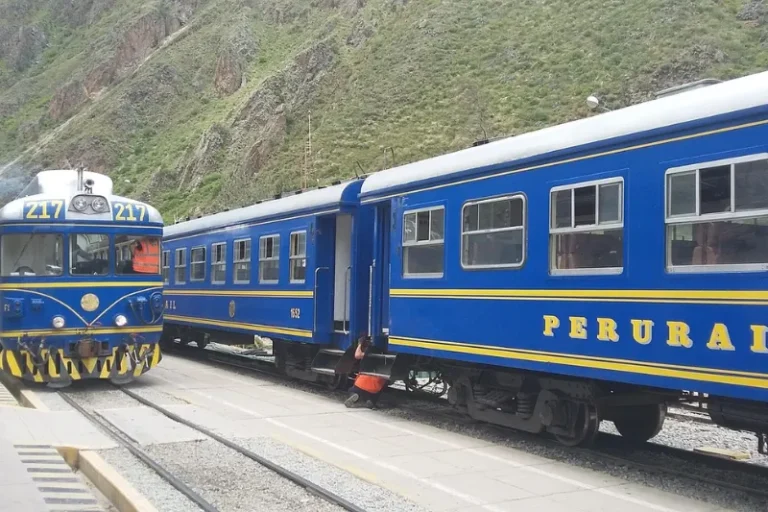

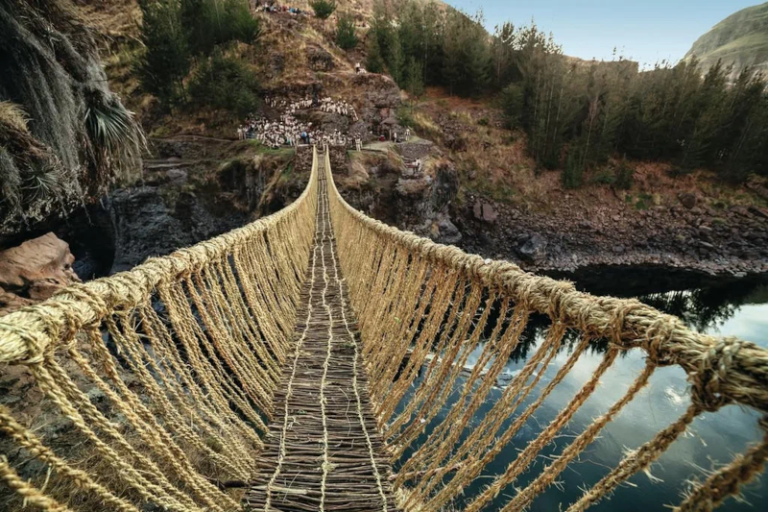

Trains carry most visitors to Machu Picchu and the ride itself is worth something. Andean plains drop into cloud forest over a couple of hours and that shift unfolds outside the window whether someone’s paying attention or not. Missing it is one of the more consistent regrets people bring back.
Right operator, right station, booked before availability closes. Those three things handled early prevent problems that pile up later.
Choosing Your Railway: PeruRail or Inca Rail?
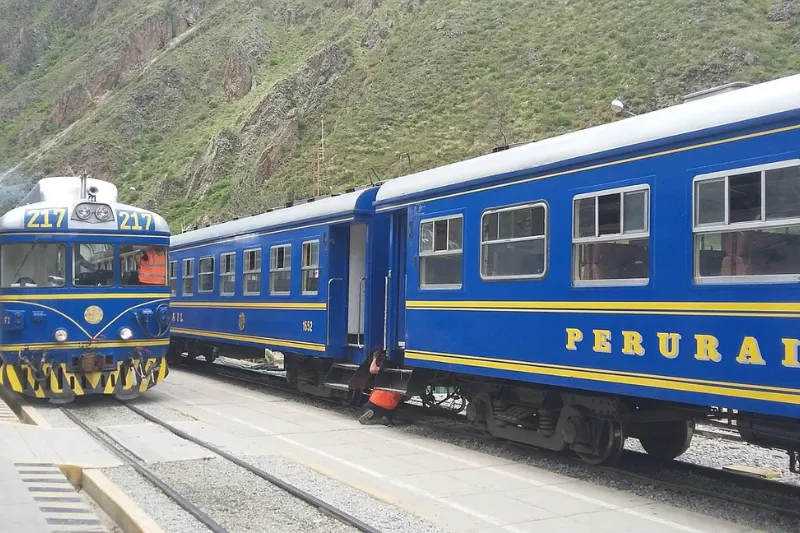
PeruRail vs Inca Rail reviews create more confusion than the decision actually needs. Identical tracks, identical views, comparable quality. The real gap between these two is smaller than either company’s marketing admits.
PeruRail is older and larger with more departure options across more categories. Inca Rail is smaller and earns consistent praise for customer service and waiting lounges. Securing Inca Rail tickets or PeruRail passes through official websites takes minutes and the choice almost always comes down to schedule alignment rather than any meaningful distinction between them.
A Breakdown of Train Classes
The Budget-Friendly Explorer
Is the Expedition train worth it? Yes, without much deliberation. PeruRail operates it and Inca Rail runs a comparable Voyager option. Cheapest way to reach Aguas Calientes by rail without giving anything important up. Large windows, solid seating, snacks available. A dependable ride rather than a tradeoff.
The Panoramic Experience
Upgrading to a panoramic train suits anyone wanting immersion rather than simple transit. Vistadome panoramic window features include glass panels pulling Andean peaks in from above and both sides simultaneously. Complimentary snacks alongside onboard cultural performances featuring traditional Andean music and dancing transform the commute into something worth having independently of where it ends.
The Ultimate Luxury
Belmond Hiram Bingham luxury service channels glamorous Pullman trains of the 1920s and lives up to that reference. Gourmet dining, observation car with a bar, live music, personalized attention throughout. For anyone marking something significant or wanting the finest version of this journey available, nothing else competes.
Navigating Routes and Stations
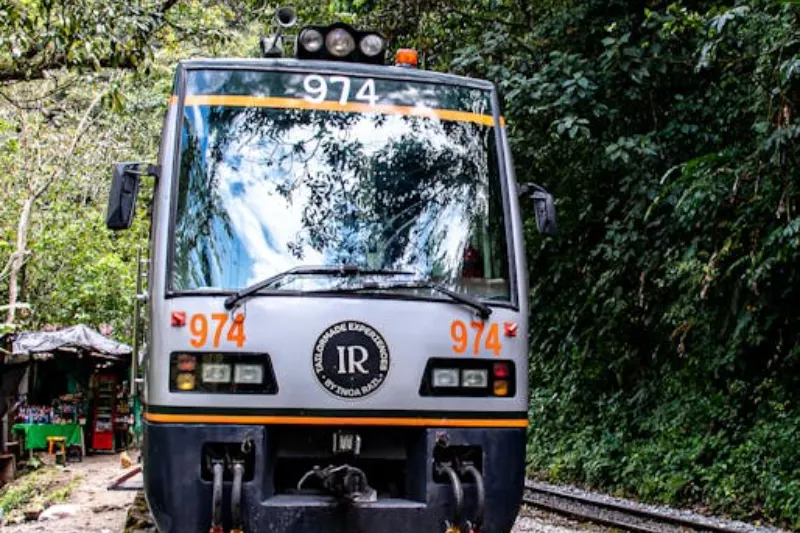
Trains don’t depart from central Cusco, which catches people off guard when they first try to figure out how to book tickets from Cusco. Identifying which station fits the itinerary before departure day prevents a chaotic morning scramble.
Poroy Station sits 25 minutes from Cusco and managing Poroy station transfer logistics is straightforward with a taxi or shuttle. Rainy season from January to April frequently closes it for maintenance, making it unreliable during those months specifically.
Ollantaytambo Station is the primary hub and the Ollantaytambo to Aguas Calientes route handles most travelers. About two hours from Cusco by road, consistent year-round service, no seasonal closures. Travelers already in the valley can incorporate Sacred Valley rail stopovers and pair ruins or markets with the departure without backtracking.
Maximizing the Views
The shift from high-altitude plains to cloud forest is the visual centerpiece of the whole journey. The breathtaking Urubamba river valley landscape develops gradually alongside the rushing water rather than arriving all at once, making sustained attention worthwhile throughout.
The best time of day for scenic views comes down to personal preference. Early morning departures between 6:00 AM and 8:00 AM catch sharp light as mist lifts off mountain peaks. Late afternoon trains bring golden-hour warmth that changes the rugged terrain entirely. Left side heading toward Aguas Calientes, right side on the return, puts the river closest to the window throughout.

Essential Practical Tips for Your Rail Journey
Things that reliably separate smooth travel days from frustrating ones:
- Baggage limits are strictly enforced: one daypack or small bag at no more than 5 kilograms per person. Larger luggage stays at the hotel regardless of what gets said at the gate.
- Last minute rail ticket availability during peak dry season from May through October is not a reliable strategy. Trains fill weeks or months ahead and booking when travel dates are confirmed is the only dependable approach.
- The journey descends from Cusco at 3,400 meters down to Aguas Calientes at 2,040 meters. Anyone struggling with altitude in Cusco feels genuine relief as elevation drops through the cloud forest.
- Reaching the departure station at least 30 minutes before scheduled time covers boarding without pressure. Trains depart on schedule and wait for nobody.
The window handles most of the work on this journey. Bringing the willingness to let it is the only preparation that actually matters.