
Most travelers confuse the ancient stone city with the towering peak rising behind it. The citadel is the city center. Machu Picchu Mountain is the balcony seat above everything. Securing a ticket to Machu Picchu Mountain means navigating a strict one-way circuit system where the path through the lower ruins gets pre-assigned before anyone sets foot on the trail.
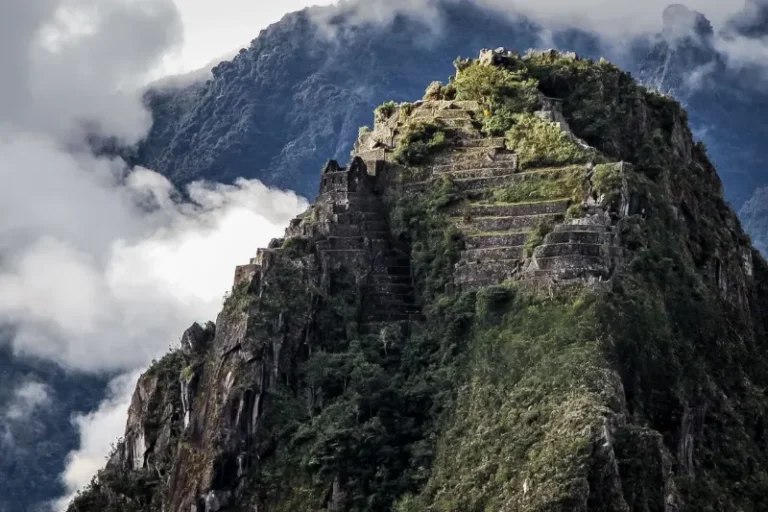
Roughly 1,600 uneven stone steps lead to a summit at 3,061 meters. That vertical climb either matches fitness goals or it doesn’t, and being honest about that before booking saves significant misery on the day.
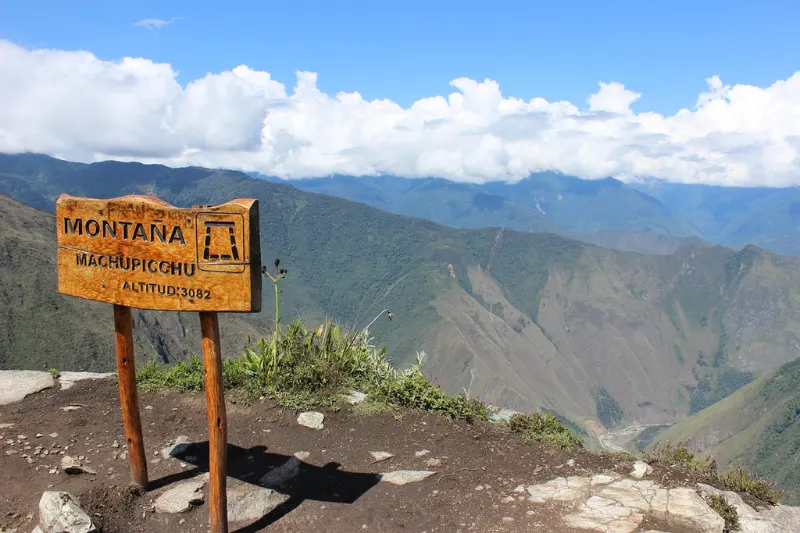
Circuit 3: The Royal Path—How to Secure the Specific ‘Montaña’ Permit Before They Vanish
Summiting requires a specific pass: the Circuit 3 ticket. After the climb, this path routes exclusively through the lower tier of the citadel. The classic upper terrace photograph gets traded for an unmatched vantage point high above the ruins, a different kind of reward entirely.
Mountain climbing permits disappear fast and the official Ministry of Culture platform needs navigating four months early during peak season. To successfully buy Machu Picchu tickets, this digital checklist covers the process:
- Select the Circuit 3 route on the official government website.
- Choose the specific Machu Picchu Mountain option.
- Pick an entry hour that matches the train arrival time.
- Pay immediately to lock in Machu Picchu reservations before availability closes.
Machu Picchu Mountain vs. Huayna Picchu: Choosing the Right Peak for Your Knees
The Machu Picchu Mountain vs Huayna Picchu hike decision comes down to technicality versus endurance. Huayna Picchu features terrifying drop-offs and narrow Death Stairs that test nerve as much as fitness. Montaña is a relentless continuous climb without the same exposure but with considerably more elevation to cover.
Montaña delivers a sprawling panoramic view of the citadel and the Vilcanota River. Huayna offers a steep closer angle putting visitors directly above the ruins. Families need to weigh these differences carefully because strict age restrictions for mountain trail access apply to Huayna specifically due to the sheer cliff sections.
Safer alternatives to the Huayna Picchu climb exist on the Montaña trail where wider stone paths challenge without producing vertigo. Making the right choice means getting the scenic payoff without discovering the wrong kind of fear halfway up a cliff face.
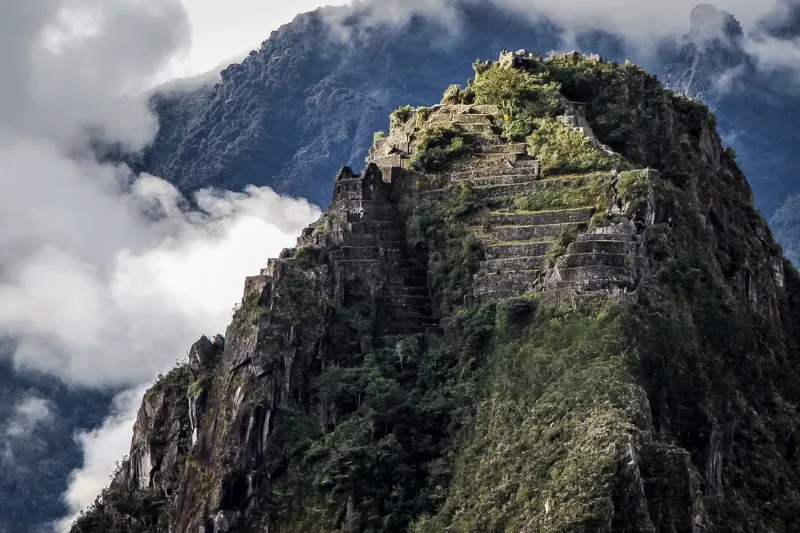
1,600 Steps to the Sky: Survival Guide for the Montaña Machu Picchu Ascent
Selecting the 7:00 AM entry window acts as the first line of defense against brutal Andean midday sun. Early mornings reliably offer the best time of day for summit views before heavy clouds roll in and heat intensifies. Treating the ticket’s time slot like a strict appointment rather than a general suggestion is what actually keeps the day running properly.
How long does the ascent take gets answered with a realistic three-hour round-trip that leaves room for the afternoon train back to Cusco:
- Hour 1: Ascend the lower wider stone steps.
- Hour 2: Summit, catch breath, photograph the citadel below.
- Hour 3: Descend carefully back to the trailhead.
Altitude transforms this staircase into a cardiovascular test that illustrates exactly how difficult is climbing Montaña Machu Picchu for people who underestimated the oxygen drop at 3,000 meters. During the steepest final 200 meters, a rhythmic step-breathe cadence manages heart rate better than pushing through without a pattern.
The ‘One-Way’ Rule: Navigating Circuit 3 Rules and Re-entry Restrictions
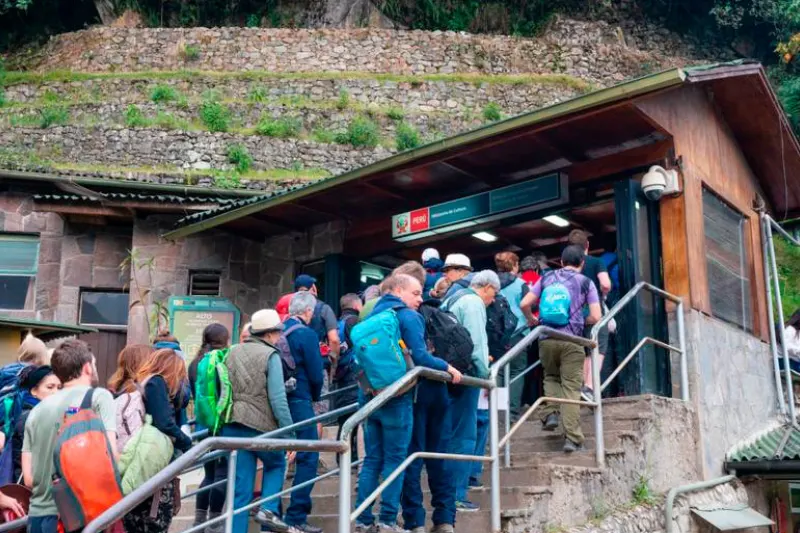
Stepping off the mountain doesn’t grant freedom to wander. Machu Picchu operates like a strict one-way street and under Circuit 3 entrance rules for hikers, the descent feeds directly into the lower ruins. The Temple of the Sun appears along this path but backtracking toward the classic postcard viewpoint isn’t possible. Guards stationed along the route ensure continuous forward movement without exceptions for anyone.
Re-entry regulations after finishing the hike prohibit a second lap entirely. Every detail needs absorbing before the exit gates appear because there’s no going back for anything missed. Many visitors book guided tours including mountain summit access specifically to let experts manage the rigid routing rather than navigating it independently under time pressure.
The High-Altitude Day Pack: What to Carry When Every Ounce Matters
The path climbs rapidly through shifting microclimates and knowing what to pack for a high altitude day hike requires acknowledging that reality before leaving the hotel. Three lightweight clothing layers handle both humid jungle heat and freezing summit winds without adding unnecessary weight to every step of those 1,600.
Gate checks are strict and the Summit 5 essential packing items cover everything needed while keeping the pack genuinely light:
- Two liters of water in reusable flasks since single-use plastics are banned on site.
- Physical passport for the unique summit stamp collected at the top.
- Three clothing layers for microclimate transitions during the ascent.
- High-energy snacks for the sustained cardiovascular effort required.
- Insect repellent for the lower jungle sections of the trail.
Your 4-Month Countdown: How to Turn Your Ticket into a Successful Summit
Four months out from the intended travel dates is when the booking process starts during peak tourist season. Confirming fitness honestly against the steep reality before purchasing prevents a situation where the ticket exists but the body wasn’t prepared for what it bought. Once purchased, finalizing travel logistics ensures the strict entry window never gets missed regardless of what happens with trains or weather.
Securing these specific Machu Picchu passes transforms the journey into a genuine high-altitude achievement rather than a standard citadel visit. The legs will burn and the altitude will push back. Standing at the summit looking down at the ancient city proves consistently that the view was worth every single stair climbed to get there.