
Most visitors never look up from the citadel. The ruins pull all the attention downward and the peak rising above everything gets treated as scenery. Machu Picchu Mountain is where a handful of people go while everyone else stays below, and what separates those two experiences is hard to overstate.
The Incas called these peaks Apus, sacred mountain spirits with genuine authority. Going up one feels different from walking through ruins. Different in a way that only makes sense after doing it.
Understanding the Hike: Trail Details and Difficulty
No warmup section exists here. Steep Inca stone stairs begin immediately and the hiking difficulty and trail conditions stay demanding without relief from start to finish. No recovery section halfway up, no flat traverse where the legs reset.
Elevation gain from the citadel sits around 600 meters, reaching 3,082 meters above sea level at the top. How long to reach the summit varies but average fitness puts most people there in 1.5 to 2 hours. Coming down takes around an hour and the ancient stonework underfoot stays unpredictable the entire way.
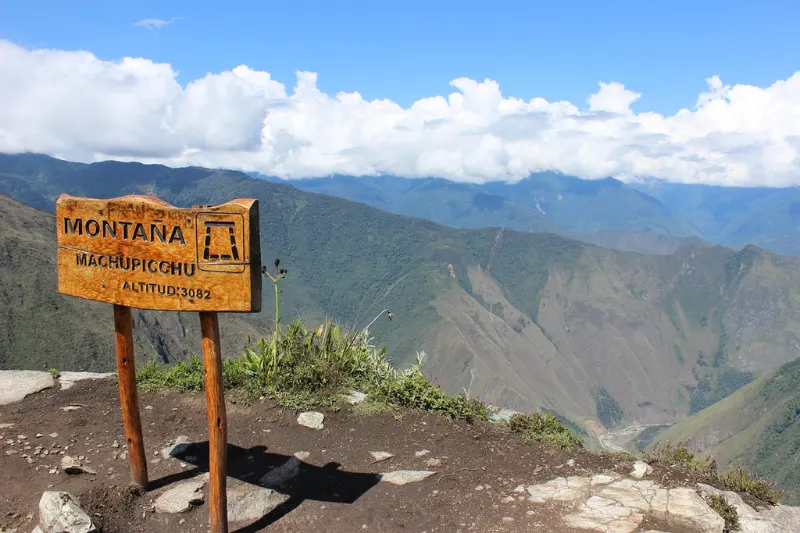
Making the Choice: A Huayna Picchu Comparison Guide
Choosing between the two secondary hikes confuses most visitors before they arrive. A Huayna Picchu comparison guide makes the differences concrete rather than theoretical.
Huayna Picchu is shorter, far steeper, narrow paths above sheer drop-offs that catch people off guard. Around 45 minutes to the top, intense rather than sustained, tests nerve as much as fitness. Machu Picchu Mountain is taller, demands more sustained stamina, wider trails with less edge exposure throughout.
Less crowded consistently, broader views of the entire archaeological complex. A solid alternative to sun gate hike for anyone wanting higher altitude and a wider vantage point than Inti Punku delivers.
Navigating Logistics: Tickets and Timing
Peak season runs May through October and tickets for those months disappear well ahead without warning. Booking advance tickets for peak season isn’t preparation, it’s the minimum requirement for the climb to actually happen on the intended date.
Circuit 3 entrance ticket requirements catch people off guard when they haven’t checked beforehand. The mountain hike ticket pairs exclusively with Circuit 3, routing through the lower agricultural and ceremonial sectors of the citadel. Other circuits aren’t accessible with that ticket, so the tour needs structuring around that constraint before arrival.
Early access slots between 7:00 AM and 8:00 AM are when the best time of day for photography actually delivers. Morning sun burns the mist off and hits the stone structures below with golden light that disappears by midmorning and doesn’t return.
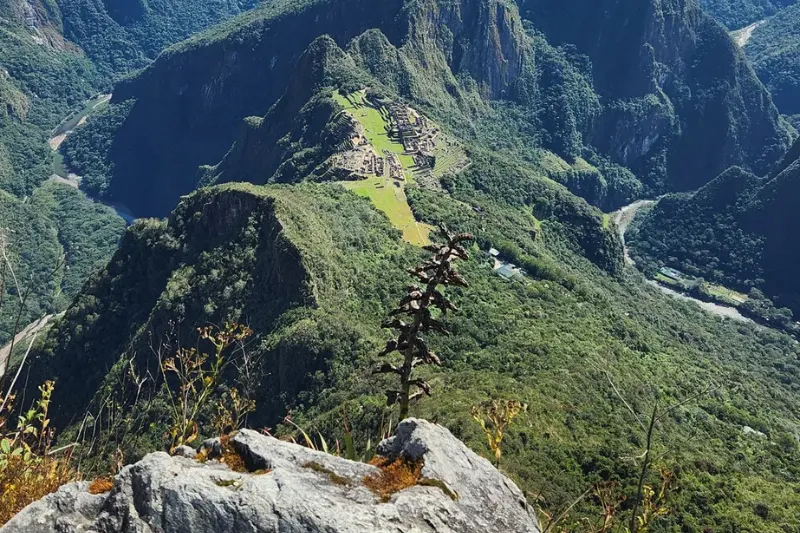
Immersed in Andean Nature
The climb moves through shifting microclimates as altitude increases and the ecological experience runs alongside the physical one the entire way up. Cloud forest flora and fauna appear in ways the main ruins circuit never produces. Wild orchids, colorful butterflies, and endemic birds like the Andean Guan show up without announcement along the route.
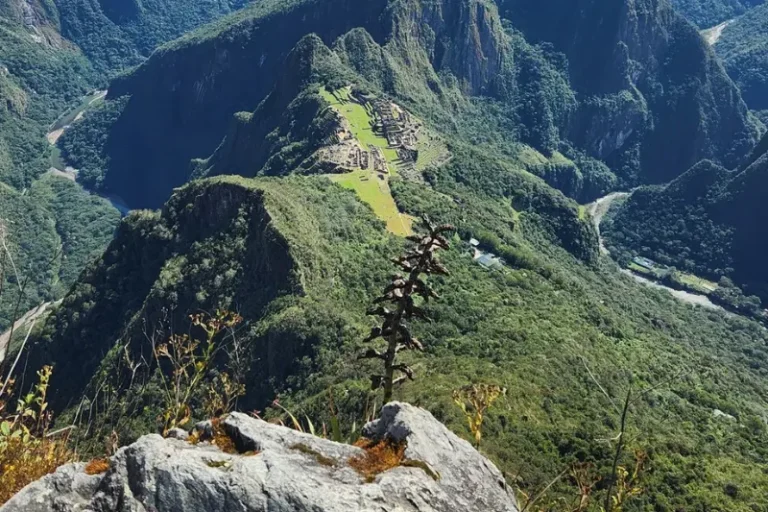
Above the tree line the summit opens into unobstructed 360-degree panoramic views. The Urubamba River curves around the base of surrounding mountains far below and the citadel looks miniature from up here in a way photographs never accurately represent. The scale of the Inca construction only registers fully from this specific height.
Health and Preparation
Physical preparation for high altitude trekking starts weeks out rather than days. Stair-climbing and cardiovascular work in the weeks before departure makes the sustained uphill on ancient stone measurably more manageable rather than just theoretically easier.
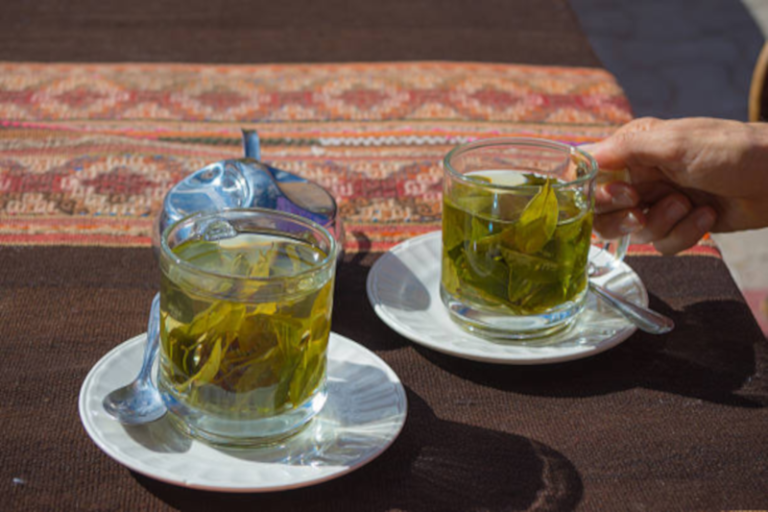
Avoiding altitude sickness during the ascent depends on acclimatization time rather than supplements. Two to three days in Cusco or the Sacred Valley before attempting the climb gives the body a genuine adjustment window. Light carbohydrate-rich meals, consistent hydration, and coca tea cover what has worked in the Andes for centuries.
The essential packing list for Peruvian highlands fits into a daypack that doesn’t add unnecessary weight:
- Footwear: Sturdy broken-in hiking boots with solid ankle support.
- Clothing: Breathable moisture-wicking layers for weather shifting from freezing morning winds to midday heat.
- Sun Protection: Wide-brimmed hat, UV-blocking sunglasses, high-SPF sunscreen for extreme high-altitude UV.
- Hydration and Fuel: At least 2 liters of water and high-energy snacks for sustained climbing.
- Gear: Trekking poles with rubber tips required by park rules to protect the ancient stone.
- Documents: Physical passport and printed entrance tickets for the gate.
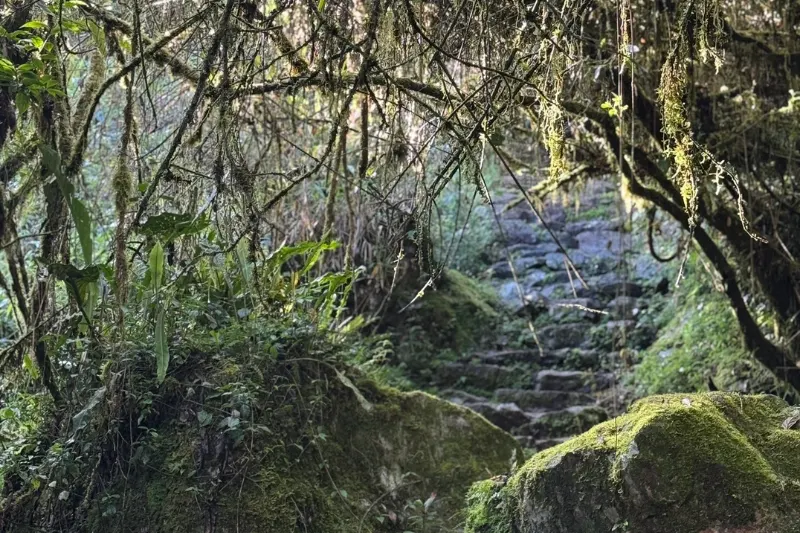
The Ultimate Question: Is the Climb Worth the Effort?
Halfway up with burning lungs and aching calves, the question surfaces uninvited. The answer doesn’t arrive until the summit does. Standing above the clouds looking down at one of the New Seven Wonders of the World inside the Andes, the physical discomfort becomes irrelevant almost immediately.
The connection to the history, the nature, and the actual scale of what the Inca Empire built up here replaces the effort fast. For anyone with the stamina and appetite for something beyond the standard citadel circuit, this climb turns the whole trip into something that takes considerably longer than the flight home to fully process.