

Show up without knowing about the new circuits in Machu Picchu and the gate is where the trip ends. Free wandering disappeared years ago. A specific one-way path gets chosen before the ticket gets bought, and that order isn’t flexible or negotiable with anyone working the entrance.
The problem that caused all this was real. Stonework degrading under unmanaged foot traffic, peak season turning genuinely chaotic, terraces eroding under thousands of daily footsteps. The new system fixed those things. It only works in the visitor’s favor when the visitor actually understands it before arriving.
Understanding the Peruvian Ministry of Culture Regulations 2024
Strictly enforced one-way pathways now cover the entire site under the Peruvian Ministry of Culture regulations 2024. Not loosely enforced, not flexible depending on how busy the day is. Strictly enforced. Bottlenecks gone, terraces protected, safety improved across the whole mountain.
Two seasons produce two different realities at the site. High season runs June 1 through October 15 with specific sub-circuits opening to spread foot traffic across the mountain. Low season runs October 16 through May 31 with slightly consolidated routes and some extended hiking pathways adjusted for weather and maintenance.
Which season matches the travel dates determines which experiences are actually accessible. That’s worth verifying before any booking happens rather than after.
A Comprehensive Breakdown of the Machu Picchu Circuits
Distinct Machu Picchu circuits divide the sanctuary into completely different perspectives of the same place. Fitness level, time available, and what specifically needs to be seen determine which one fits. Booking the wrong circuit is an expensive mistake that the ticketing system makes very difficult to recover from.
Circuit 1: The Ultimate Panoramic Experience
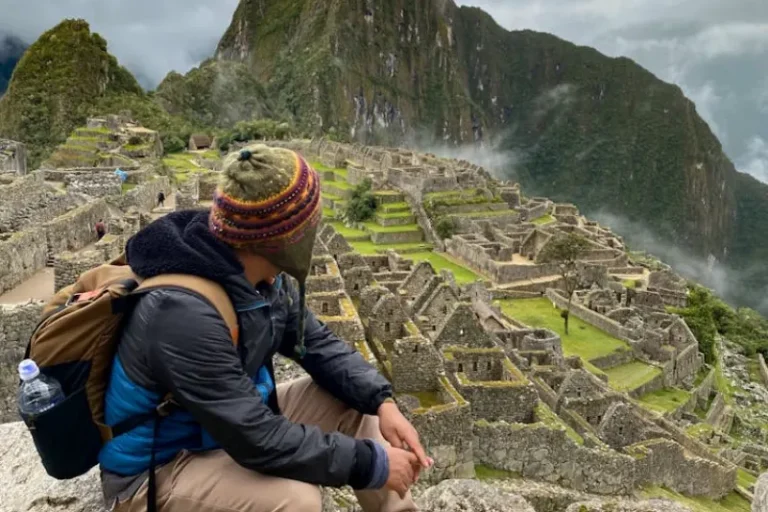
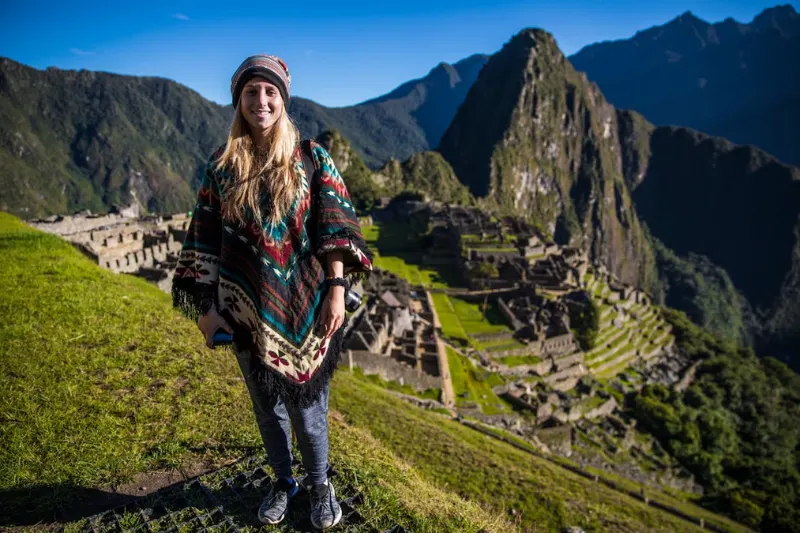
Upper route, highest vantage points, the views that define every photograph taken of this place. The best circuit for photography at Machu Picchu by a significant margin, delivering unobstructed panoramic views from the Upper Terrace and the Guardian House where the iconic shots happen. Six in the morning or late afternoon is when the crowd pressure at those spots drops enough to actually breathe.
Which Machu Picchu circuit includes the Sun Gate is a question worth answering before booking. Inti Punku access connects to a high-season Circuit 1 variation through a dedicated ticket adding roughly two to three hours of uphill hiking. That viewpoint is where Inca Trail hikers entered the city, and arriving there late afternoon with the crowds already gone is a completely different experience from the main entrance at peak hours.
The Great Debate: Machu Picchu Circuit 2 vs Circuit 3
Machu Picchu Circuit 2 vs Circuit 3 is where most decisions stall. Circuit 2 moves through urban, religious, and agricultural sectors covering the major highlights including the Sacred Plaza vs Temple of the Condor contrast. The Sacred Plaza was the civic and religious core of the city. The Temple of the Condor uses natural bedrock shaped into condor wings and stops people mid-sentence when they actually see it rather than read about it beforehand.
One timing detail specific to Circuit 2 catches people completely off guard. Intihuatana Stone visiting hours traditionally run 7:00 AM to 10:00 AM only. Arriving at that section after 10:00 AM means the staircase is blocked and the stone doesn’t get seen regardless of how far someone traveled to be there.
Circuit 3 covers the lower agricultural terraces and includes exclusive access to the Royal Tomb below the Temple of the Sun. The stonework in that natural cave is some of the finest on the entire site and consistently gets overlooked because most visitors focus on the upper sections. No steep ascents required, which makes Circuit 3 the shortest walking route for seniors and children and the right call for anyone with mobility concerns or a tight time window.
Adding Extra Trails: Mountains and Extensions
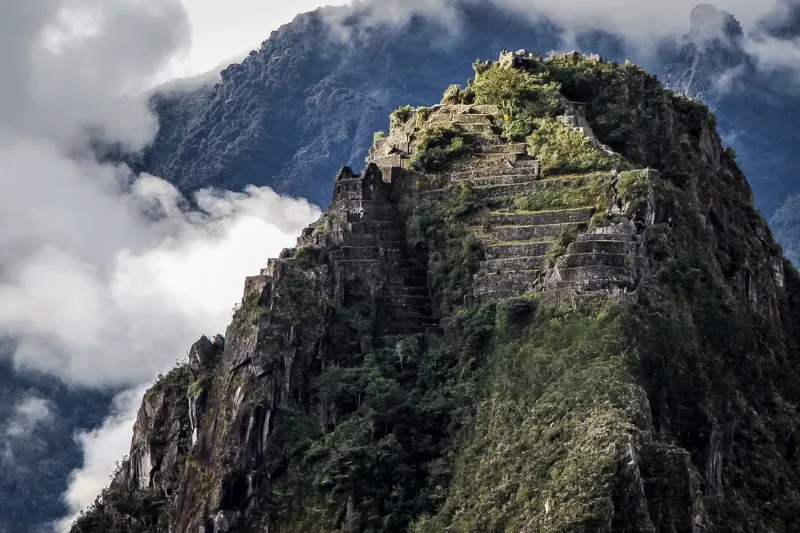
Huayna Picchu is officially tied to Circuit 3, meaning the lower ruins get explored before or after tackling what local guides call the Stairs of Death. The vertical exposure on that climb is not a metaphor.
Hiking Machu Picchu beyond the standard pathways, whether Machu Picchu Mountain tied to Circuit 1 or Huchuy Picchu tied to Circuit 3, requires a combination ticket bought well in advance. Mountain hikes run on strict time windows and the enforcement is literal. An 8:00 AM to 9:00 AM entry slot means arriving at 9:05 AM produces a turn-away at the checkpoint. No exceptions exist for anyone.
Practical Planning: Tickets, Tours, and Logistics
Securing Your Entry Passes
Buying tickets through the government’s official portal, currently Tuboleta/Joinnus under the Ministry of Culture, is the only legitimate route. Knowing how to buy tickets online officially before starting the process saves real frustration. Circuit 2 and the Huayna Picchu add-on sell out two to three months ahead during peak season with enough regularity that treating availability as guaranteed is a planning error.
How to rebook entry times after a flight delay or train cancellation is the question most people ask only after they desperately need the answer. Official tickets are non-refundable and non-transferable without exceptions. Rebooking means forfeiting the original ticket and buying a new one at whatever scraps of availability remain. Checking travel dates and train schedules multiple times before confirming sounds paranoid until it suddenly isn’t.
Navigating to the Citadel
Aguas Calientes sits at the base of the mountain and the bus up the Hiram Bingham highway takes 30 to 40 minutes. A few things that consistently make the day work:
- Bus tickets bought the night before eliminate the morning scramble.
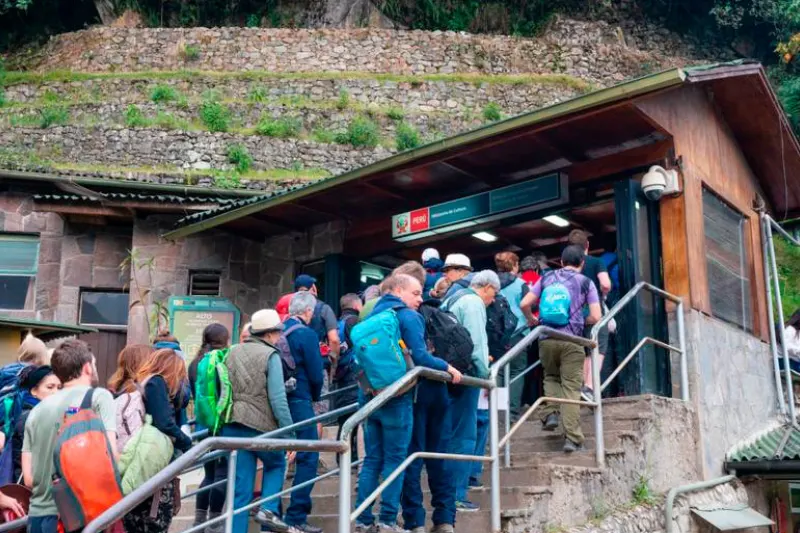
- A 6:00 AM entry ticket means joining the bus queue by 4:30 AM during high season. The lines stretch for blocks before dawn.
- The ruins sit at roughly 7,970 feet. Acclimatizing in Cusco or the Sacred Valley beforehand separates enjoying the visit from enduring it.
The Value of Guided Exploration
Almost no informational signage exists anywhere on site. Expert-led Machu Picchu tours are how the engineering, astronomical alignments, and water channels become understandable rather than just visually impressive. A guide communicates what the stones are actually doing in ways that no amount of pre-reading delivers.
Wrong turns on the new one-way circuits mean accidentally exiting the site before seeing something that was specifically the point of the trip. It happens more often than anyone admits publicly, and a guide eliminates that possibility completely.
Final Thoughts
The new circuits in Machu Picchu produced something organized and genuinely better than what existed before. The trade-off is that preparation matters considerably more than it used to. Wrong circuit, missed Intihuatana window, late mountain checkpoint arrival, unofficial portal purchase. Any single one of those mistakes is expensive and largely unrecoverable on the day itself.
Right circuit, early tickets, respected pathways, and the citadel delivers what five centuries of engineering built it to deliver. Just not to anyone who arrives underprepared.