
Ruins get all the credit here. Fair enough, Machu Picchu earns every word written about it. But step past the archaeological circuit for a moment and the natural attractions in Cusco are running a completely separate show that most itineraries never acknowledge.
Glacial lakes in colors cameras genuinely can’t capture accurately. Mountain passes striped with minerals that look painted on. Cloud forest dropping into Amazon basin within a few hours of driving. This region doesn’t know how to be modest about its geography.

The Majestic Peaks and Vibrant Mountains
These mountains didn’t just provide scenery for the Inca. They were the Apus, living entities that required reciprocity, not admiration. The civilization organized its crops, its cities, its spiritual calendar around them. Standing at 5,000 meters that framing stops feeling like mythology.
Colorful Summits: The Rainbow Mountains
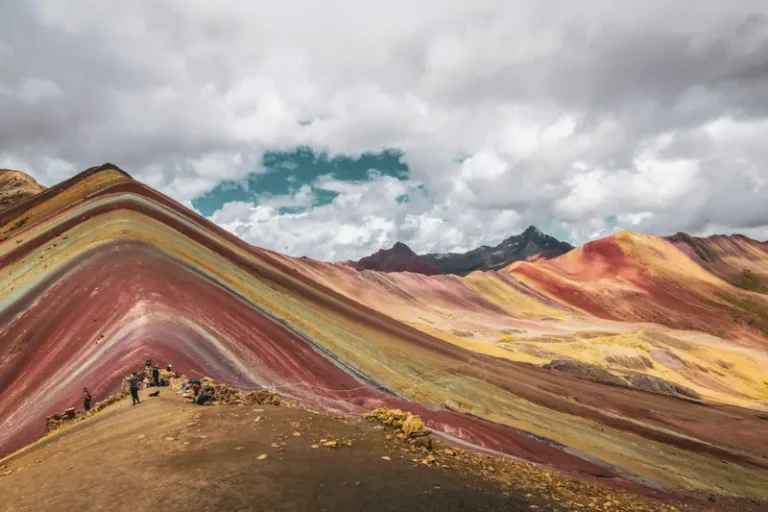
Vinicunca Rainbow Mountain vs Palccoyo is worth thinking through seriously before booking. Vinicunca is hard, crowded, and tops out above 5,200 meters with mineral stripes that don’t look real in person or in photographs. People who want the iconic version and can handle company will find the difficulty justified.
Palccoyo covers three colorful mountains plus a stone forest, shorter and considerably quieter. Same visual payoff without the lung-burning commitment. Honestly, fitness level and crowd tolerance make this decision automatically for most people.
Trekking the Great Divides
Salkantay Pass vs Inca Trail splits people who’ve done both almost evenly, and that gap says something real. The Inca Trail runs ancient stones underfoot, ruins around bends, the Sun Gate at the finish. History alongside scenery the whole way.
Salkantay drops from massive glaciers into humid coffee plantations within a single day of walking. Wilderness first, history somewhere in the background. Both deliver completely, just completely different things.

Captivating Glacial Lakes and Lagoons
Glacial melt at altitude produces a turquoise that photographs consistently misrepresent. It’s more saturated in person, somehow more real than any image prepared you for. The lakes around Cusco sit firmly in that category.
The Jewel of the Andes: Humantay Lake
Best time to visit Humantay Lake for turquoise water is dry season, May through September, mid-morning when sunlight crests the peaks and hits the surface directly. Steep but short hike. Emerald and blue water against white glacier, exactly what it promises but somehow more intense than expected.
High-Altitude Lake Treks
Ausangate Seven Lagoons trekking difficulty is moderate to challenging because everything runs above 4,500 meters. That’s the obstacle, not the terrain. Seven colored lakes, hot springs, Mount Ausangate overhead. Preparation matters more than fitness on this one.
Piuray and Huaypo work for anyone without a full expedition day. Calm water, rolling hills, no summit required. An afternoon at the edge of either lake without a specific goal counts as time well spent up here.

Exploring the Sacred Valley’s Natural Wonders
The Sacred Valley gets treated as an archaeological destination almost exclusively, which leaves its natural side largely untouched. A Sacred Valley day trip itinerary for nature lovers runs on completely different logic than the ruins circuit.
Maras and Moray belong on the same day. Moray’s concentric circular terraces still communicate the agricultural laboratory function in their geometry. The Maras salt ponds nearby cascade down a canyon wall in thousands of geometric pools fed by a subterranean saline spring, harvested by local families for centuries and still running.
Sustainable eco-tourism practices in the Urubamba province keep expanding quietly. Operators supporting indigenous farming cooperatives and watershed preservation are increasingly easy to identify. Money spent with those operators stays in the valley with the people who actually live there.
Unveiling Andean Biodiversity
A few hours of driving shifts the landscape from dry highland steppe into cloud forest canopy without much warning between one and the other. The vertical drop toward the Amazon produces ecological transitions that happen faster here than almost anywhere else on earth.
Microclimates and Ecosystems
Andean cloud forest vs Amazon rainforest biodiversity needs experiencing rather than reading about. Manu National Park’s upper cloud forest runs dense with orchids, bromeliads, and mosses, a completely separate biological world from the hot Amazon below. Both exist within a day trip of the same city.
Wildlife Spotting
Condors ride thermals over the high passes without much interest in hikers below them. Viscachas sit on rock outcroppings near ruins and don’t move for anyone. The spectacled bear moves through the lower forest and occasionally appears for patient people on the right trails.
Wondering where to observe wild vicuñas in the Altiplano, the high plains toward Puno and remote Ausangate stretches are where they graze in small herds. Watching them move at that pace feels like the landscape designed them specifically for itself.

Practical Tips for Exploring Cusco’s Wilderness
Extraordinary and unforgiving in roughly equal measure. Altitude, UV intensity, temperature swings, and remoteness combine without much buffer between manageable and genuinely problematic.
Beating the Altitude
Knowing how to prevent altitude sickness during high-elevation hikes determines whether a day gets experienced or just endured.
- Two to three days acclimatizing before anything serious, without exceptions.
- Far more water than feels necessary, consistently.
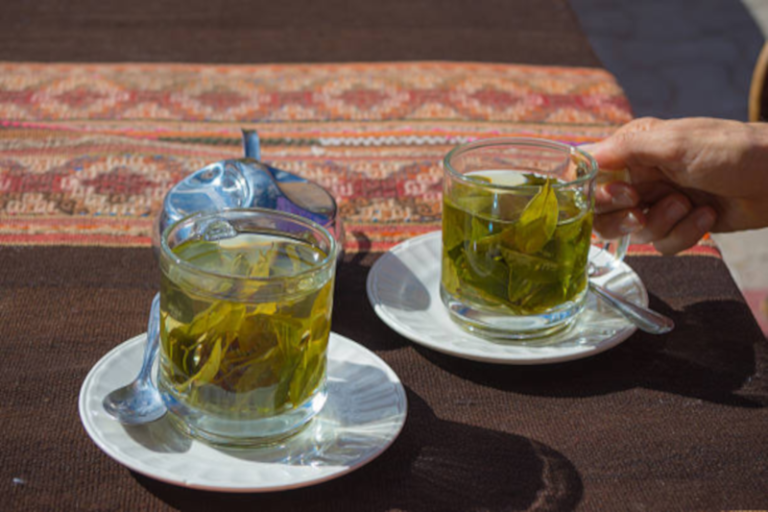
- Coca tea handles headaches and fatigue and has done so reliably for centuries.
- Light carbohydrate meals since digestion slows noticeably at elevation.
- Doctor conversation about Acetazolamide before departure for anyone with sensitivity.
Gearing Up for the Elements
An essential packing list for varied microclimate trekking accounts for sun, freezing wind, and rain potentially arriving before dinner on the same trail.
- Layers: Moisture-wicking base, fleece mid-layer, waterproof shell.
- Footwear: Broken-in waterproof boots with ankle support.
- Sun Protection: SPF 50+, UV sunglasses, wide-brimmed hat.
- Trekking Poles: Steep uneven descents make these feel mandatory rather than optional.
The Value of Local Expertise
Benefits of hiring a local guide for wilderness treks extend well past navigation. Emergency oxygen, permit logistics, Quechua communication with communities along the route. Context that turns walking through a landscape into actually understanding it. Hiring directly keeps money in the local economy rather than losing most of it through intermediaries.
Capturing the Beauty
Most scenic landscape photography spots in the Southern Highlands punish late starters hard. Golden Hour pulls deep reds from the earth and vivid greens from valley floors in ways midday light physically cannot. Mirador de Chinchero, Abra Malaga pass, Laguna Piuray shores, all three worth a specific early alarm rather than a vague intention to arrive sometime in the morning.
Wide-angle lenses handle the scale. A person somewhere in the frame handles the sense of proportion these landscapes need to communicate correctly in a photograph. Without a human reference point the size just doesn’t land the way it should.

Conclusion
Two parallel experiences run simultaneously in Cusco and most visitors only catch one. The natural attractions in Cusco, painted slopes, glacial lake colors, valley landscapes, wildlife moving through ecological transitions faster than almost anywhere else, are the other half of what this place actually is.
Acclimatizing seriously, packing for weather that shows up rather than weather that was forecast, traveling with local guides, choosing operators who reinvest in the valley. Those choices separate surviving this environment from actually absorbing it. The early alarm and the good boots are genuinely the easy parts.