
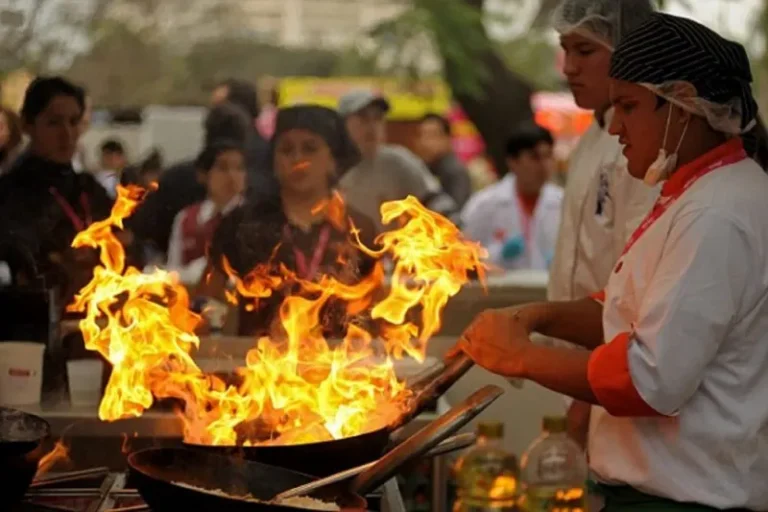
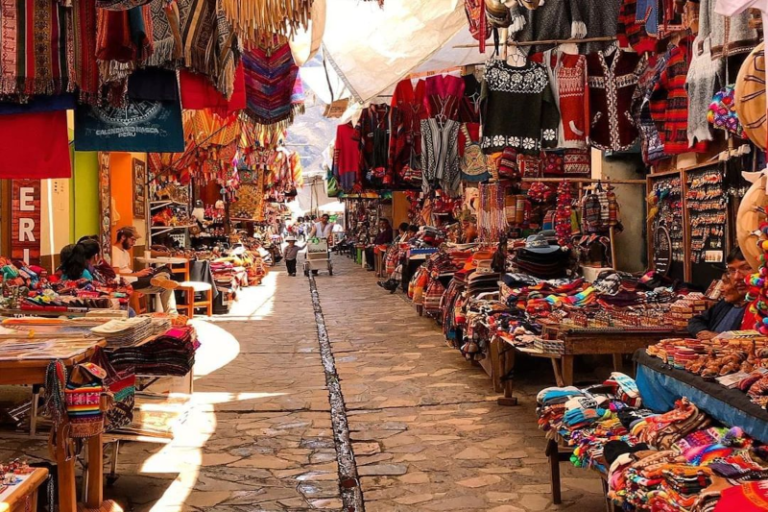

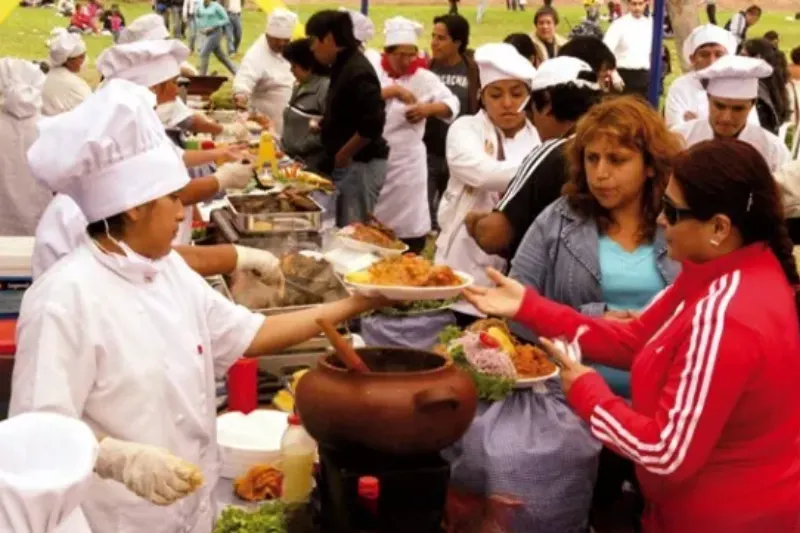
Lima hosts a lot of things but nothing quite like Mistura. Hundreds of thousands of people show up across the festival days, locals mixed in with international visitors, master chefs sharing the same grounds as rural farmers who grew the ingredients those chefs built their reputations on. Peruvian food has become one of the most referenced cuisines globally over the past two decades and this fair is where that reputation gets stress-tested against reality.
Nothing else in South America runs at this scale with this particular mix of people under the same roof. For anyone who uses food as a way into understanding where they are, Mistura is the right place to spend a few days in Lima.
The Roots of Mistura and Peru’s Culinary Renaissance
Peruvian cuisine didn’t always have the international profile it carries now. That shift happened over roughly twenty years and Gastón Acurio sits near the center of it. Through APEGA, the Peruvian Society of Gastronomy, Acurio pushed for a festival that acknowledged the full chain behind what ends up on a plate. Not just the chefs getting the press coverage but the farmers, the fishermen, the street food vendors whose work underpins everything else without getting much credit for it.
That starting point shaped what Mistura became. High-end gastronomy and everyday cooking tradition in the same physical space, priced and organized so both are actually accessible. Peru has a smaller gap between those two worlds than most countries and the fair reflects that honestly rather than pretending otherwise.
A Gastronomic Journey: What to Eat at Mistura
The grounds divide into zones organized by cooking technique and regional origin. That structure makes moving through the fair feel like a deliberate tasting tour rather than wandering through a large chaotic market. Andean highland dishes and Amazonian jungle food each get their own dedicated areas. Spending an afternoon comparing traditional pachamanca against contemporary coastal seafood covers more ground in understanding Peruvian food geography than most written resources manage.
Specific things worth hunting down:
- Ceviche: World-renowned chefs run pop-up stalls here and what gets served isn’t the tourist-circuit version found at most Lima restaurants. The difference is noticeable immediately.
- Anticuchos: Beef heart skewers marinated hard and cooked over open grill by vendors who’ve been doing this specific thing for years. The quality gap between these and most versions elsewhere is significant.
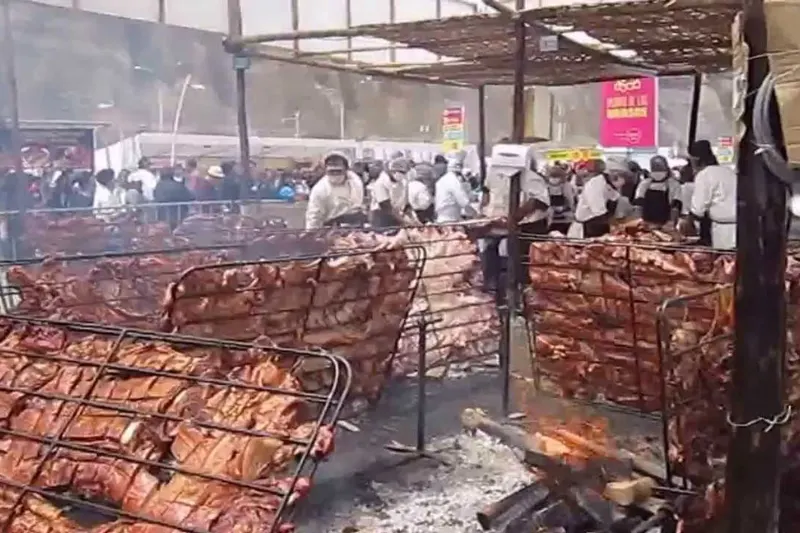
- Chancho al Palo: Wood-roasted pork cooked slowly until the skin blisters and crisps. The smell of the wood smoke reaches before the stall does.
- Picarones: Sweet potato and squash dough rings fried and drowned in fig or chancaca syrup. Simple, straightforward, very good.
The Grand Market: Honoring the Earth
The Gran Mercado catches people off guard who came primarily for the cooked food. APEGA runs this section as a direct showcase of native Peruvian ingredients and the visual scale alone is worth time. Purple, red, and yellow potato varieties stacked in large displays, quinoa in multiple forms, fiery ají peppers, Amazonian fruits like camu camu and aguaje that most visitors genuinely haven’t encountered before arriving here.
The farmers are physically present and not in the standard vendor behind a counter sense. They’re there to talk about what they grow and why specific varieties matter and how long their families have been cultivating them. Conversations about ancestral methods and biodiversity happen naturally in a way that no documentary or museum exhibit replicates. The argument for preserving heirloom crops lands differently when the crops are sitting right in front of you and the person who grew them is explaining why losing them would matter.
Toasting to Tradition: Pisco and Artisanal Drinks
Dedicated pavilions handle beverages with the same seriousness applied to the food. Pisco gets its full treatment here, tasting flights organized around the distinctions between aromatic and non-aromatic grape varieties, master distillers present and genuinely useful to talk to in ways that label descriptions aren’t.
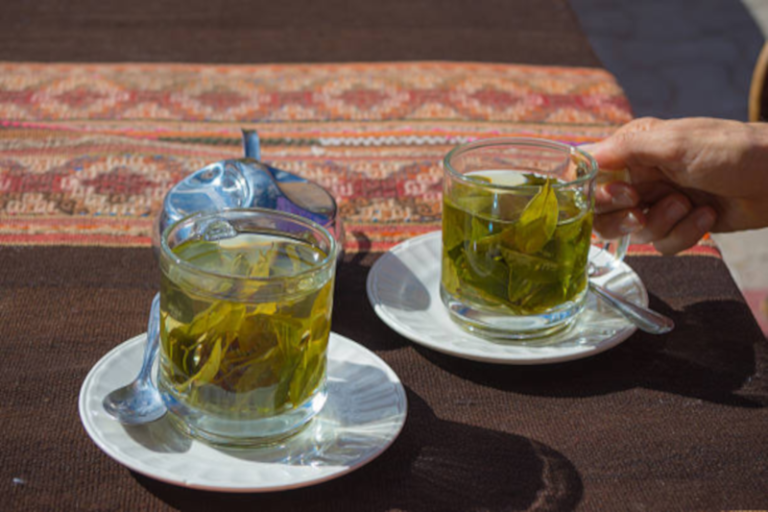
Classic Pisco Sour, ginger-infused chilcano, and non-alcoholic options like chicha morada, made from purple corn, pineapple rind, and spices, all run across the pavilions. The range handles drinkers and non-drinkers without treating the latter as an afterthought, which isn’t always the case at food festivals built around alcohol as a central element.
Essential Tips for Visiting Mistura
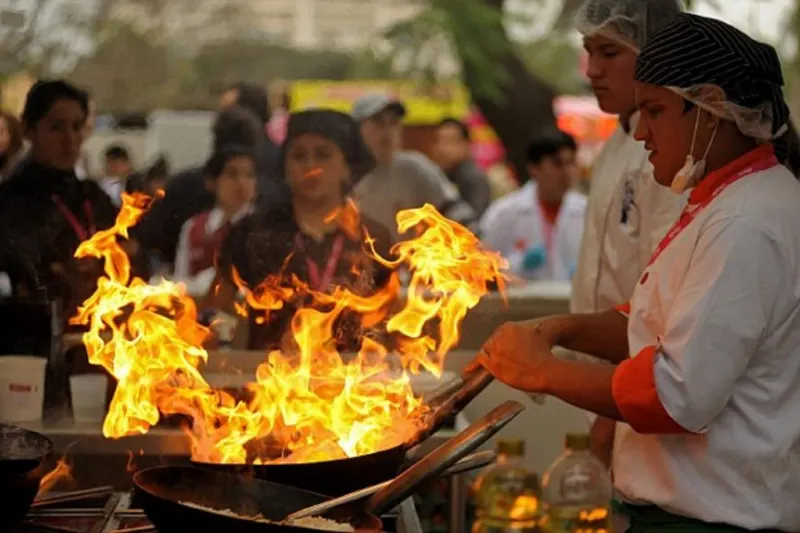
The fair is large enough that arriving without a plan results in covering significantly less ground than the space offers.
- Time Your Visit Right: Late August through October lines up with the fair’s historical schedule and outdoor weather stays manageable during that window. Worth building the trip around specifically.
- Beat the Crowds: Gates open in the late morning and arriving then, or choosing a weekday over a weekend, cuts line time at the most popular stalls considerably.
- Plan Your Transportation: The fair runs along the Costa Verde and coastal highway traffic gets heavy during peak hours. Festival shuttles, taxis, or rideshare apps handle it cleanly. Driving and parking independently creates problems that aren’t worth the trouble.
- Pace Yourself and Share: Eating alone through a festival this size hits a wall fast. Traveling with a group and splitting portions covers far more ground without running out of appetite two hours in.
A Pilgrimage for the Palate
Mistura isn’t just a large outdoor food market that happens to have good ingredients. The Gran Mercado farmer conversations, a properly made ceviche with the Pacific visible somewhere behind it, wood smoke from the chancho al palo stalls mixing with coastal air. Those things accumulate into something that sits differently than a collection of good individual meals. Anyone who travels specifically because of food culture should have this one on the list without needing much convincing beyond knowing it exists.