
Bus tourists see Machu Picchu. People with a ticket to the Inca Trail arrive through the Sun Gate after days of cloud forest, ruins, and high mountain passes. That difference is what the permit actually unlocks and it’s not a small one.
Walk-ins aren’t something the trailhead accommodates. The system has rules and learning them before attempting to navigate them is what separates people who actually go from people who find out too late.
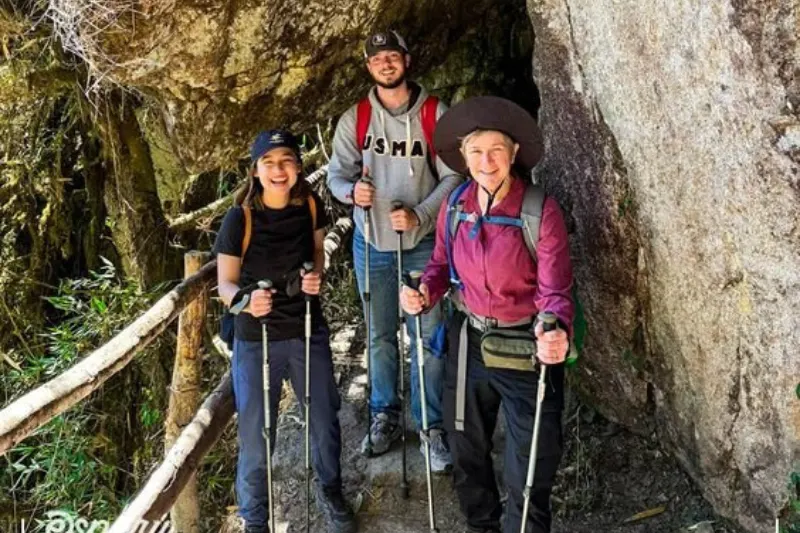
Understanding Permits and Government Regulations
Five hundred people daily, guides, cooks, porters all included. Around two hundred spots reach tourists. That gap between the advertised number and the real one catches most people off guard when planning starts and availability has already closed.
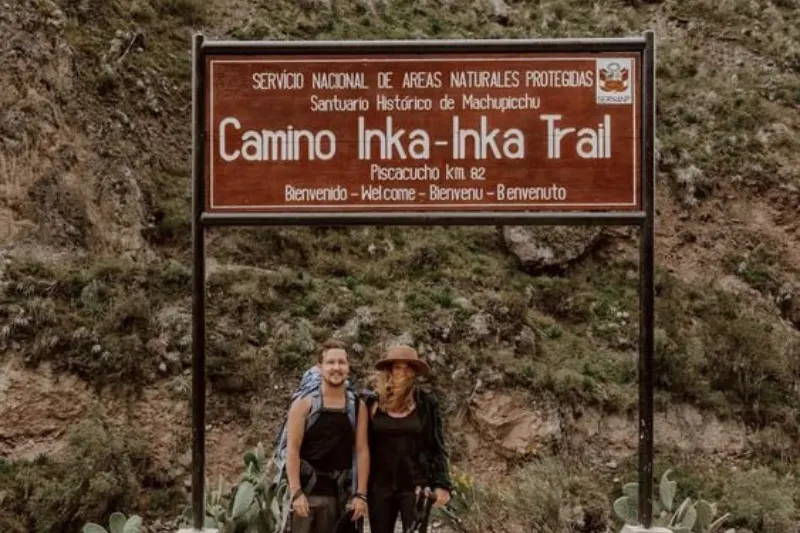
Permits are non-refundable, non-transferable, and must match passport details exactly. Renew a passport between booking and hiking and both old and new documents need to appear at KM 82 or the day ends right there. Six to eight months ahead during dry season is when availability closes, often before most people realize they should have started looking.
How to Secure Your Spot
Independent hiking on this route simply doesn’t exist. Knowing how to book through authorized agencies isn’t cautious advice, it’s the only thing that works. Government-registered companies are the only ones who can purchase permits on behalf of travelers.
A reliable licensed tour operator selection guide steers toward operators who treat trekking staff fairly and commit to sustainable practices. Problems that start in the booking process don’t surface at the desk where they’re still fixable. They surface on the trail where they aren’t.
Choosing Your Trekking Experience
The Classic Route
Four days is what most people picture. A classic 4 day trek cost breakdown falls between $650 and $1,200 per person. Trekking permits, bilingual guides, all trail meals, camping equipment, bus tickets to Aguas Calientes, and the return train to Cusco generally come included in that price.
The Express Route
The short 2 day Inca Trail itinerary works for anyone with limited time, younger children, or genuine preference for a hotel bed over a mountain camp. One moderate hiking day through cloud forest ends at a late afternoon Sun Gate entrance. A hotel night in Aguas Calientes follows, then a fully guided citadel tour the next morning.
Exploring Alternatives
Permits selling out happens regularly and isn’t worth panicking over. The Inca Trail vs Salkantay Trek comparison deserves honest consideration rather than treating Salkantay as a backup. Classic trail has exclusive ancient ruins and the Sun Gate entrance. Salkantay has higher rugged alpine scenery, snow-capped peaks, and no advance permit requirement at all.
Both end at Machu Picchu. The journeys are entirely different and for some travelers Salkantay is genuinely the better fit rather than just the available one.
Preparing for the Andes: Fitness and Health
May, June, and September deliver the best conditions consistently. Dry clear days, strong visibility, no rainy season complications. Choosing dates within that window when permits remain available gives the best combination of everything.
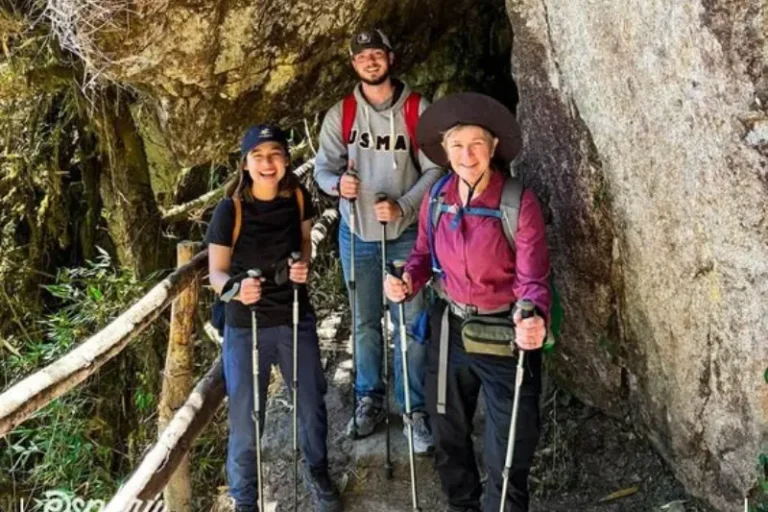
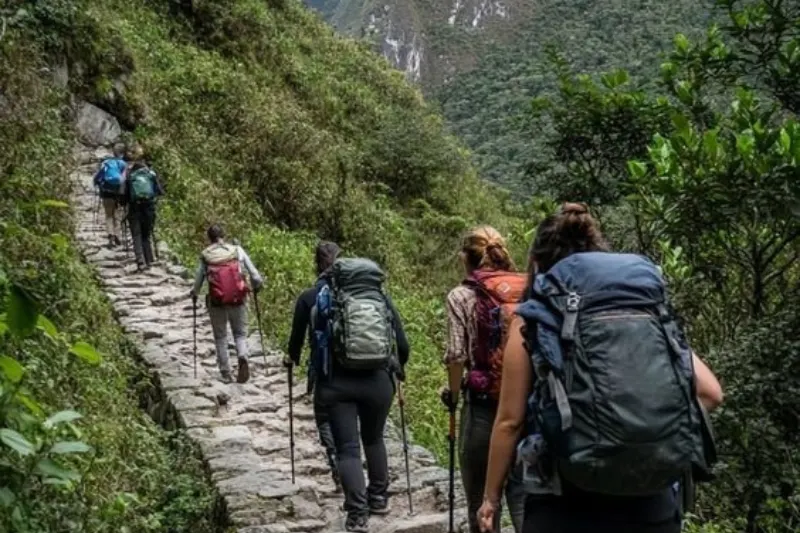
Steep uneven stone steps, consecutive hiking days up to eight hours, altitude combining in ways that catch casually trained people completely off guard. Stair climbing, sustained cardiovascular work, and long walks on uneven terrain in the months before departure transforms the experience from survival into something worth doing.
Altitude sickness prevention for hikers needs a deliberate strategy:
- Two to three days acclimatizing in Cusco or the Sacred Valley before the trek starts.
- Consistent hydration with minimal alcohol throughout.
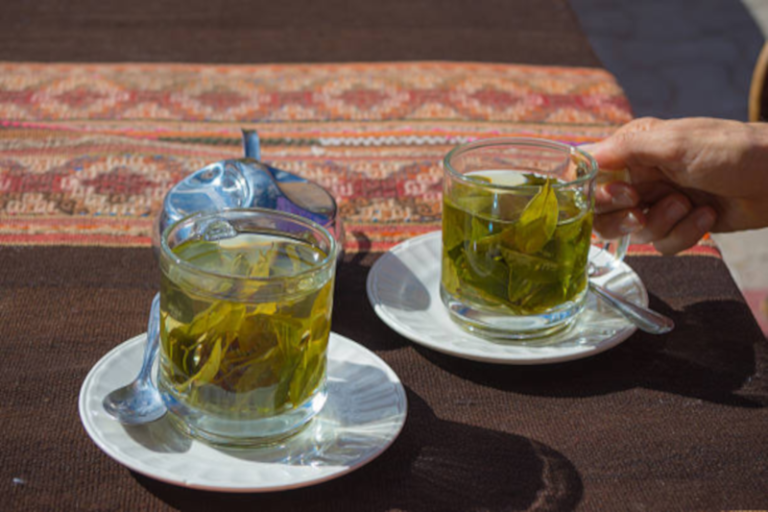
- Coca tea or coca leaves, a traditional remedy that genuinely takes the edge off.
- A doctor consultation about prescription altitude medications before departure.
Packing and Trail Logistics
Mountain microclimates shift without warning. A comprehensive packing list for Andean mountain treks prioritizes lightweight versatile layers over heavy gear that exhausts the legs unnecessarily.
Essential items that consistently matter:
- Moisture-wicking base layers and trekking pants, never cotton which stays wet and cold.
- A warm fleece and insulated jacket for freezing mountain nights.
- A lightweight waterproof jacket or poncho for rain that arrives without announcement.
- Well broken-in waterproof hiking boots, not new ones that guarantee blisters.
- Headlamp, high-SPF sunscreen, high-DEET insect repellent, and a personal first-aid kit.
Porters carry tents, food, and personal duffel bags limited to 7 kilograms per hiker. Basic wages come through the tour cost but tipping at the end is genuinely expected. Small-denomination Peruvian soles pooled with the group appropriately honors what makes the expedition function.
The exact original physical passport used to book the permit must appear at KM 82. No exceptions exist.
Arriving at the Citadel: Rules and Extras
The trekking permit generally includes standard Machu Picchu tickets for the final day. Recent government changes require tightly controlled one-way paths and knowing the latest Machu Picchu circuit entrance rules prevents confusion at the gate. Inca Trail hikers are typically assigned to Circuit 5, covering the lower terraces and key architectural highlights.
Wayna Picchu mountain hike availability needs checking well in advance. Access is limited to a few hundred people daily and tickets disappear fast. Coordinating with the tour operator at initial booking rather than afterward is the only realistic approach.
Final Thoughts
Booking early through a trusted authorized agency, packing smart, and preparing the body for high-altitude demands determine whether the Inca Trail delivers what it promises. Once the permit is secured and preparation is genuinely done, the trail takes over entirely.
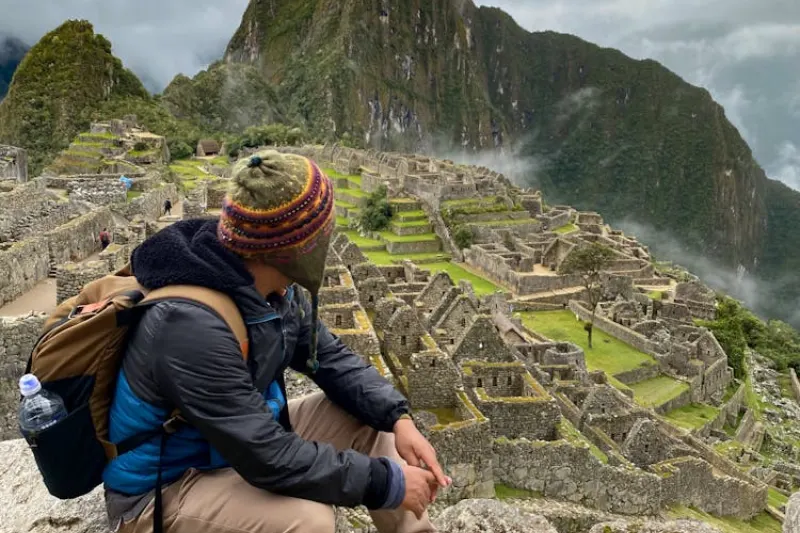
Stepping through the Sun Gate and watching morning mist part over Machu Picchu after days of sustained effort is one of those travel moments that holds up over years. Every logistical hurdle and grueling step becomes irrelevant almost immediately when that view finally appears.